Learn
What does airtight construction mean?
Airtight construction means building a home so unwanted outdoor air does not leak in and conditioned indoor air does not leak out through cracks and gaps. The goal is not to trap stale air. The goal is to control air movement, then bring in fresh air the right way with planned ventilation.
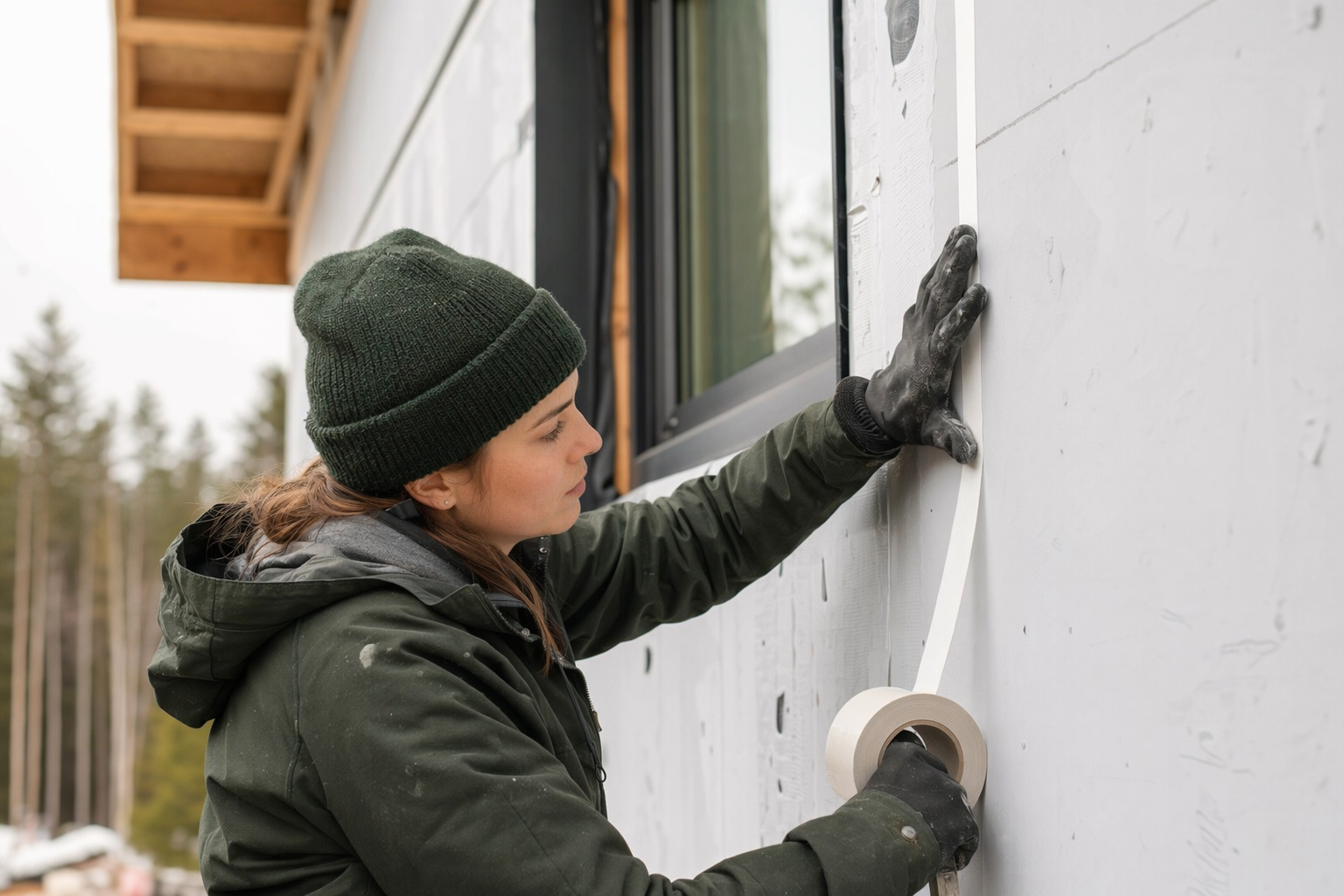
A simple definition
Every house has small gaps around framing, windows, doors, pipes, wires, and attic areas. Air moves through those gaps all day, especially when wind blows or indoor and outdoor temperatures are very different.
In an airtight home, the builder works hard to seal those leaks. This helps the home perform more like it was designed to perform. Heating and cooling systems can work more predictably, and indoor comfort is often more even from room to room.
Airtight does not mean the home has no fresh air. It means fresh air comes in through a planned system, not random cracks.
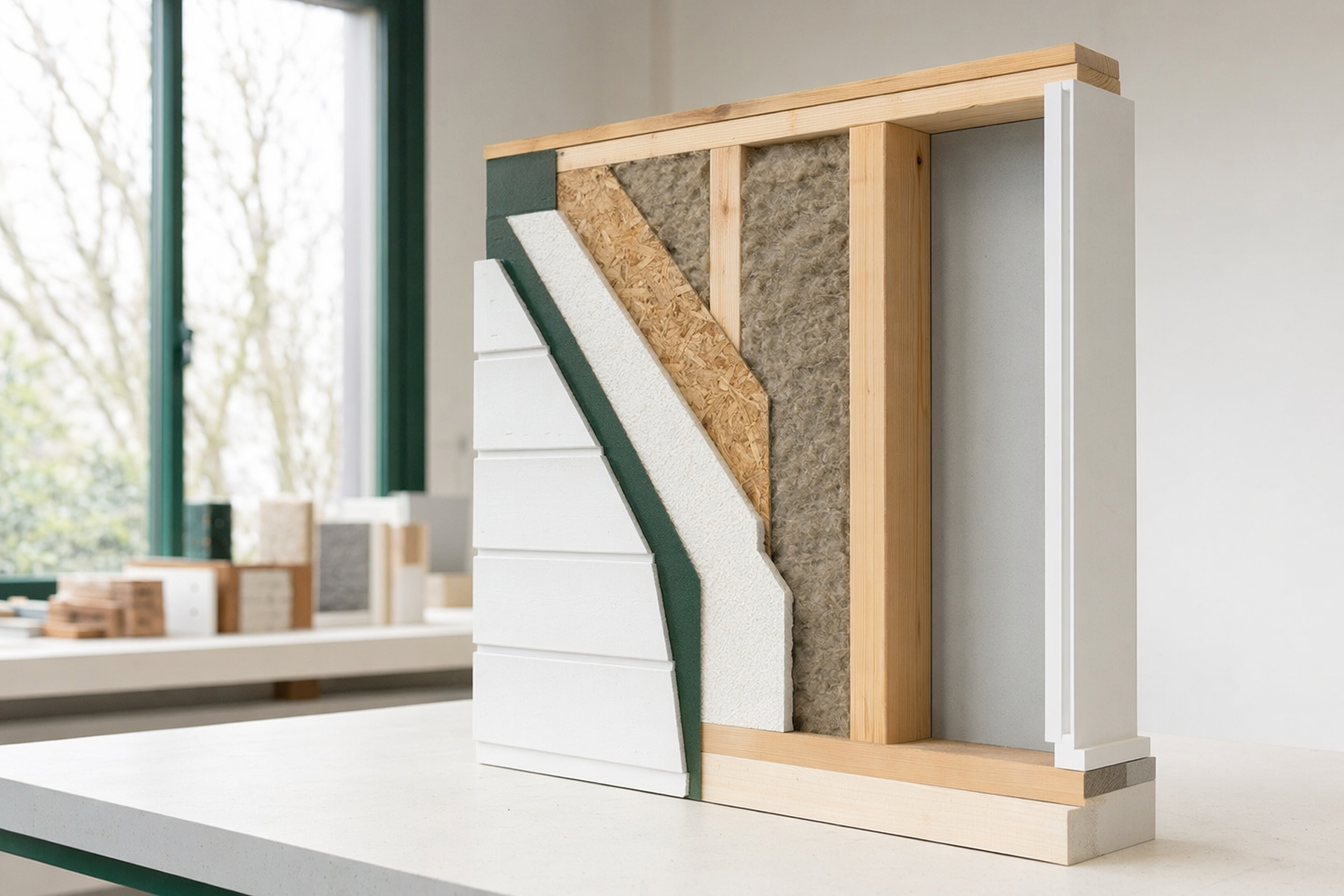
Why builders care about airtightness
Air leaks can carry heat, moisture, dust, and outdoor pollutants into the home. They can also let conditioned air escape. That is why airtightness is a big part of green building and passive home design.
A tighter home may help with:
- More even indoor temperatures
- Less draftiness near windows, doors, and outlets
- Better moisture control inside walls and attics
- More control over indoor air with an HRV or ERV
- Better use of insulation and high-performance windows
Results vary by climate, design, site, and builder. A tighter house is one piece of the whole system. Insulation, windows, shading, ventilation, and HVAC all matter too. You can learn more on /systems/ and other guides in /learn/.
How airtightness is measured
Builders usually measure airtightness with a blower-door test. A large fan is placed in an exterior doorway to measure how much air leaks through the home shell. This gives a number the builder can use to compare homes and check quality.
You may hear the term ACH50, which means air changes per hour at a test pressure of 50 pascals. In simple terms, a lower ACH50 number means less air leakage during the test. Different programs and builders may aim for different targets.
Ask the builder these questions:
- What airtightness target are you aiming for, and why?
- Will you test the home before drywall, after drywall, or both?
- What air barrier materials and details will you use?
- How will you seal around windows, doors, plumbing, wiring, and attic penetrations?
It is smart to get these details in writing with the licensed builder you hire. EverGrain Built is a free matching service. We help you compare experienced green builders, but you choose who to hire and confirm scope and price directly with them.
A tight home still needs fresh air
This is the part many homeowners miss. If a home is very airtight, it needs planned ventilation to bring in fresh air and remove stale indoor air. That is often done with an HRV or ERV.
An HRV, heat recovery ventilator, and an ERV, energy recovery ventilator, exchange indoor and outdoor air in a controlled way. Which one makes sense depends on climate, home design, and the builder's approach. A good builder should explain how ventilation, filtration, and humidity control will work together.
Airtightness and ventilation should be planned as a team. A tight shell without a good ventilation plan is not enough. If you want help finding builders who understand this balance, visit /get-matched/.
What to ask a green builder
Airtight construction is not just a product. It is a building process. Good results usually come from careful detailing, site supervision, and testing.
Here are useful questions for builder interviews:
- What is your target ACH50, and how often do your homes reach it?
- Do you use exterior sheathing, housewrap, taped seams, membranes, or spray foam as part of the air barrier?
- How do you handle tricky leak points like rim joists, attic hatches, recessed lights, and mechanical penetrations?
- What insulation levels, window U-factor, and SHGC do you usually pair with a tight shell?
- What ventilation system do you recommend, and who designs it?
- Will you provide blower-door test results and key specs in writing?
If you are early in planning, see how our free service works or /get-matched/ to compare local builders with green and high-performance experience.

Airtight construction means stopping random air leaks so your home works better as a system. Fresh air should still come in, but through planned ventilation, not through cracks in the walls.
Common questions
Is airtight construction the same as a passive house?
No. Airtightness is one part of passive house and other high-performance building methods, but it is not the whole thing. Passive house design also looks closely at insulation, windows, thermal bridging, shading, ventilation, and heating and cooling loads.
Will an airtight home always lower my utility bills?
It may help reduce wasted heating and cooling energy, but exact results vary. Climate, home size, insulation, windows, equipment, thermostat settings, and how the home is used all affect bills. A builder should explain the full design, not just one feature.
Can an airtight home have mold or bad air?
Any home can have moisture or air quality problems if it is designed or managed poorly. Airtight homes need a good ventilation plan, careful moisture control, and proper installation. That is why blower-door testing, ventilation design, and builder experience matter.
What is a good ACH number?
There is no one right number for every project. Lower numbers generally mean a tighter home, but the right target depends on your goals, climate, budget, and building method. Ask each builder what target they use and how they verify it with testing.