Building systems
Airtightness & air sealing
Airtightness means controlling where air leaks in and out of your home. Good air sealing helps your insulation work better, supports more even indoor temperatures, and is a key part of green and passive home design.
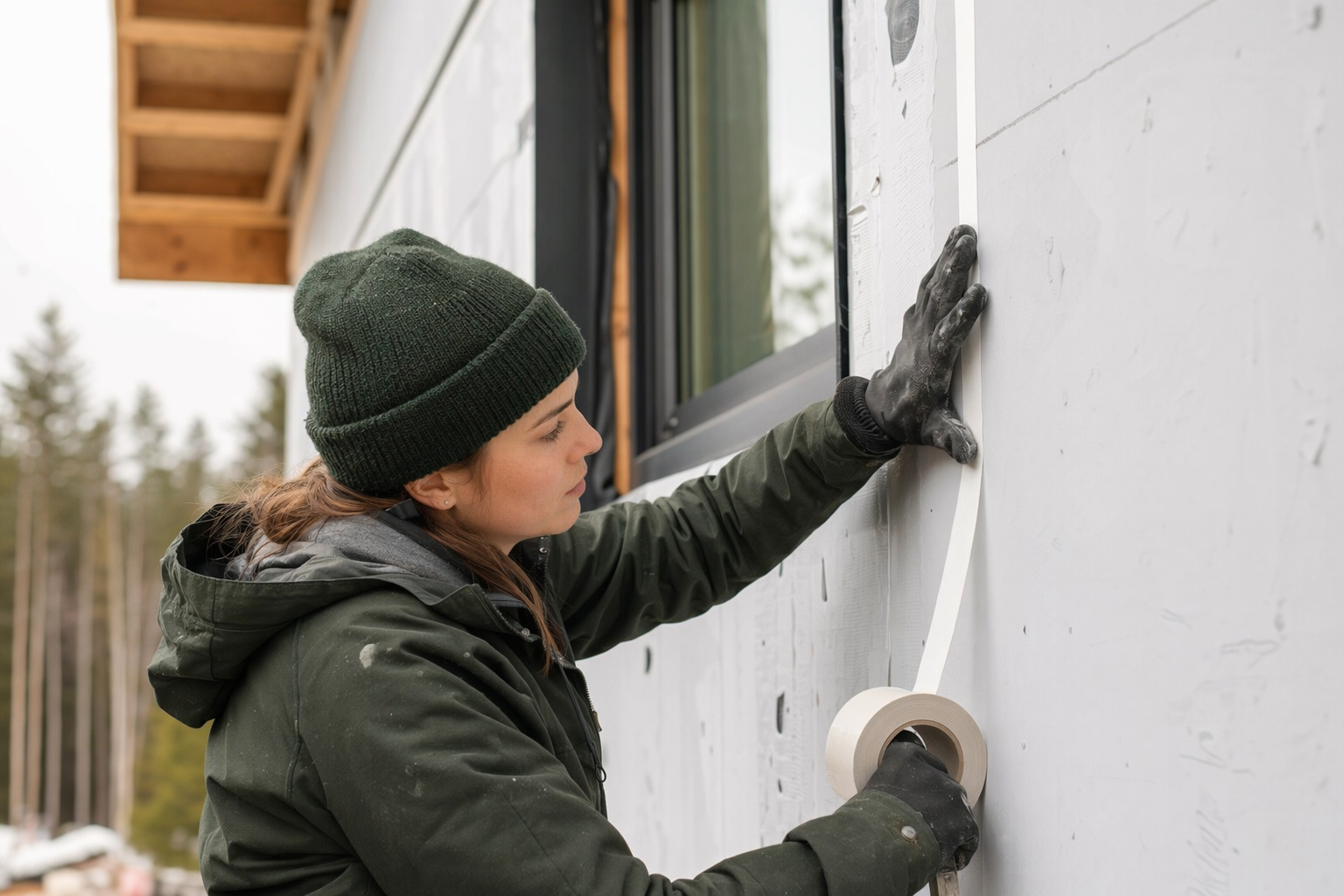
What airtightness means
An airtight home is not the same as a home with no fresh air. It means the builder reduces unwanted leaks through cracks, joints, and gaps in the walls, roof, floors, windows, and doors.
This matters because moving air can carry heat and moisture. If outside air slips through many small holes, your heating and cooling system has to work harder, and some rooms may feel drafty or uneven.
A good builder plans the air barrier as a continuous layer around the home. That layer may include taped sheathing, membranes, sealants, gaskets, and careful detailing around penetrations.
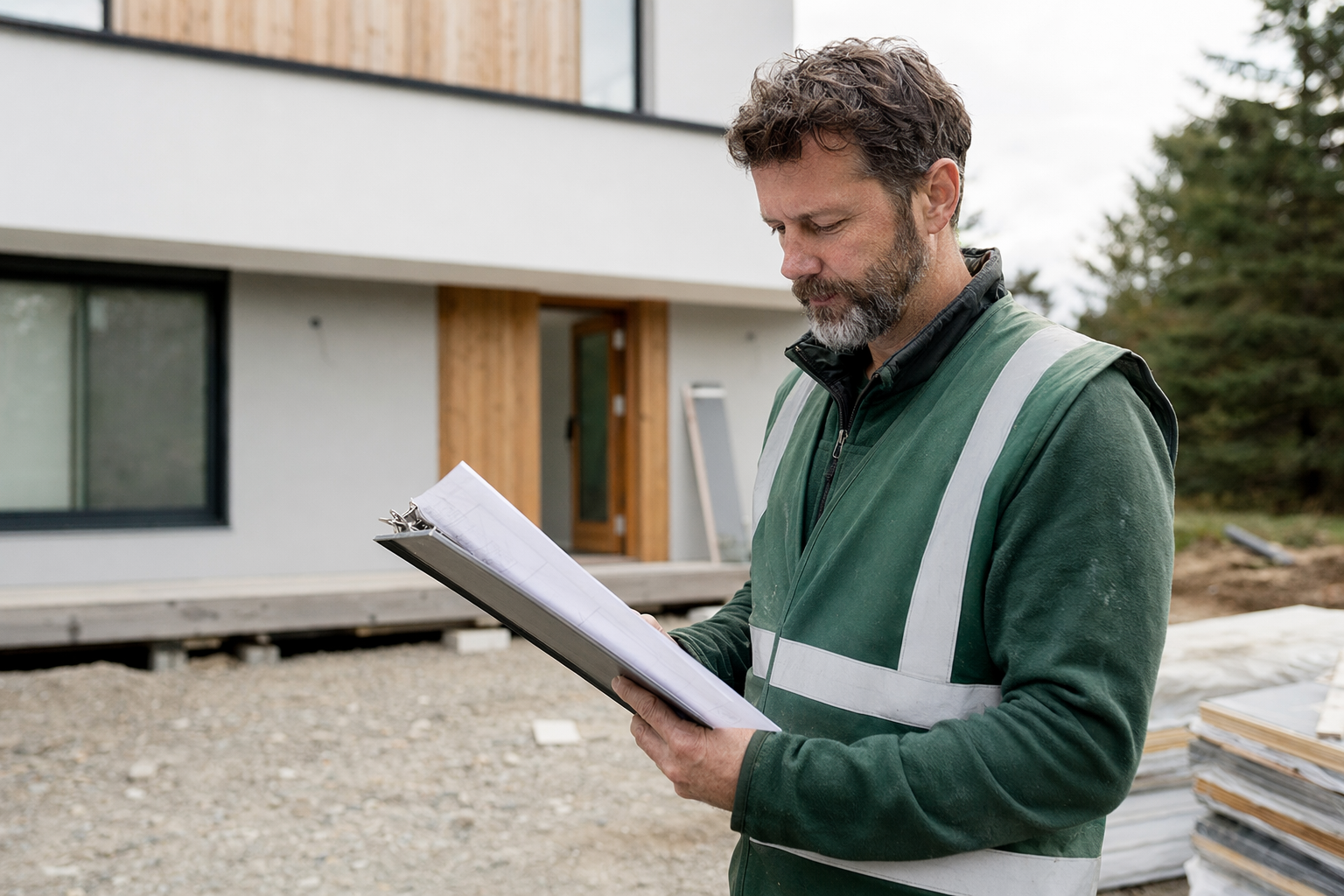
Why air sealing matters in a green home
Air sealing is one of the quiet workhorses of an efficient home. It supports lower heating and cooling loads, better moisture control, and a more predictable indoor environment. Results vary by climate, design, and how the home is built.
In high-performance homes, airtightness works together with insulation, windows, and mechanical systems. A home with high R-value insulation can still underperform if air leaks are ignored.
Good air sealing can help with:
- fewer drafts near windows, doors, and outlets
- better support for insulation performance
- less uncontrolled outdoor dust, pollen, and humidity entering through gaps
- more consistent conditions for HVAC design, including heat pumps
If you are comparing builders, ask how they handle airtightness as part of the full building enclosure, not as an afterthought.
How builders measure it with a blower-door test
Airtightness is commonly measured with a blower-door test. A large calibrated fan is placed in an exterior doorway to pressurize or depressurize the home and measure how much air leaks through the enclosure.
The result is often reported in ACH, or air changes per hour, under test conditions. Lower ACH means less uncontrolled air leakage. Different programs and builders may use different targets, so ask what goal they are building toward and how they verify it.
A blower-door test is useful because it turns a hidden issue into something measurable. Many builders test more than once, sometimes during construction and again near completion, so they can find and fix leaks before finishes make repairs harder.
If you want help comparing builders who understand testing and verification, get matched through our free service. You compare options and choose who to hire.
Common leakage spots and how they are sealed
Air leaks often happen where materials meet or where something passes through the enclosure. The details matter a lot.
Common problem areas include:
- window and door rough openings
- top plates and attic transitions
- rim joists and floor edges
- plumbing, wiring, and vent penetrations
- recessed lights, hatches, and access panels
- where foundations meet framing
Builders may seal these areas with tapes, fluid-applied products, caulks, gaskets, membranes, spray foam in selected locations, and careful framing details. The best approach depends on the assembly and climate.
Ask the builder to explain where the air barrier is, how it stays continuous, and who is responsible for protecting it during construction. That question can reveal a lot about jobsite quality.
Tight homes still need fresh air
A tighter home usually needs planned ventilation. That is a good thing. Instead of random outside air sneaking in through leaks, fresh air can be delivered in a more controlled way.
Many efficient homes use an HRV or ERV. These systems bring in fresh air and exhaust stale air. They can help support indoor air quality when designed and installed correctly.
When you talk with builders, ask these questions:
1. What airtightness target are you aiming for in ACH?
2. Will you do a blower-door test during construction and at the end?
3. What ventilation system do you recommend, and why?
4. How will air sealing work with insulation, windows, and HVAC sizing?
You can learn more about related systems at systems, read planning articles at learn, or see how our free matching service works at how-it-works.
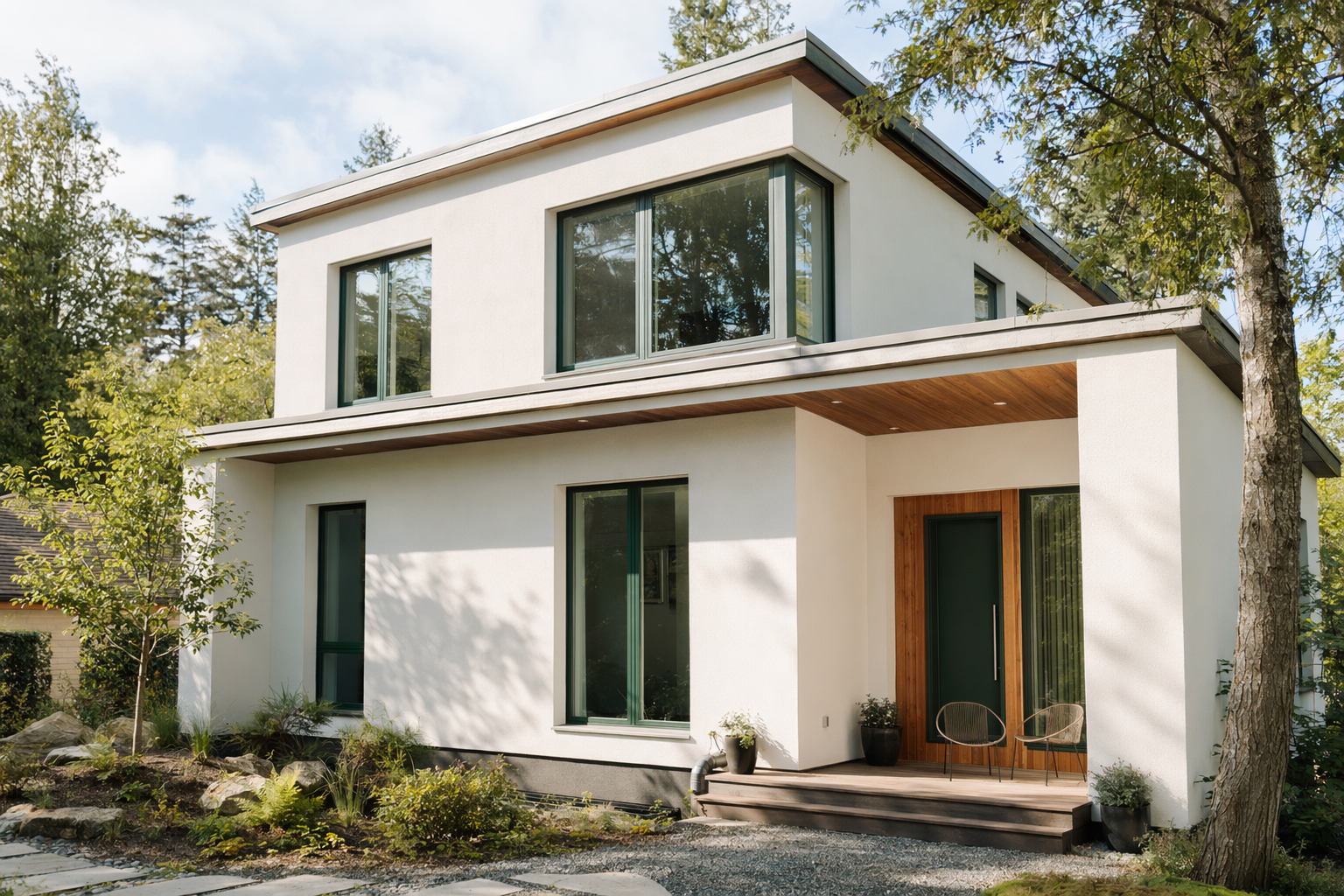
Airtightness means stopping unwanted air leaks so the house performs more like it was designed to perform. A tight home should also have planned fresh-air ventilation.
Common questions
Is an airtight home unhealthy because it cannot breathe?
No. The goal is to stop uncontrolled leaks, not fresh air. A well-designed home pairs air sealing with planned ventilation, often with an HRV or ERV, so fresh air is delivered more intentionally.
What is a good ACH number on a blower-door test?
Lower ACH means less air leakage, but the right target depends on the design, climate, program goals, and builder approach. Ask each builder what ACH target they use, why they chose it, and whether they test during construction and at completion.
Can I add air sealing to an existing home, or is this only for new construction?
Both are possible. New homes usually allow better control because the air barrier can be planned before finishes go in. Existing homes can also be improved, but the work may be more limited or more invasive depending on where the leaks are.
Does better airtightness guarantee lower bills or better comfort?
Not by itself. Airtightness is important, but results depend on insulation, windows, HVAC design, ventilation, climate, orientation, and how the home is used. Confirm scope, testing, and price in writing with the licensed builder you choose.