Learn
Green Builder Interview Questions
Use this free guide to ask better questions before you hire a green or passive-home builder. It gives you a simple checklist, plain-English notes, and examples of what solid answers can sound like, so you can compare builders with more confidence.
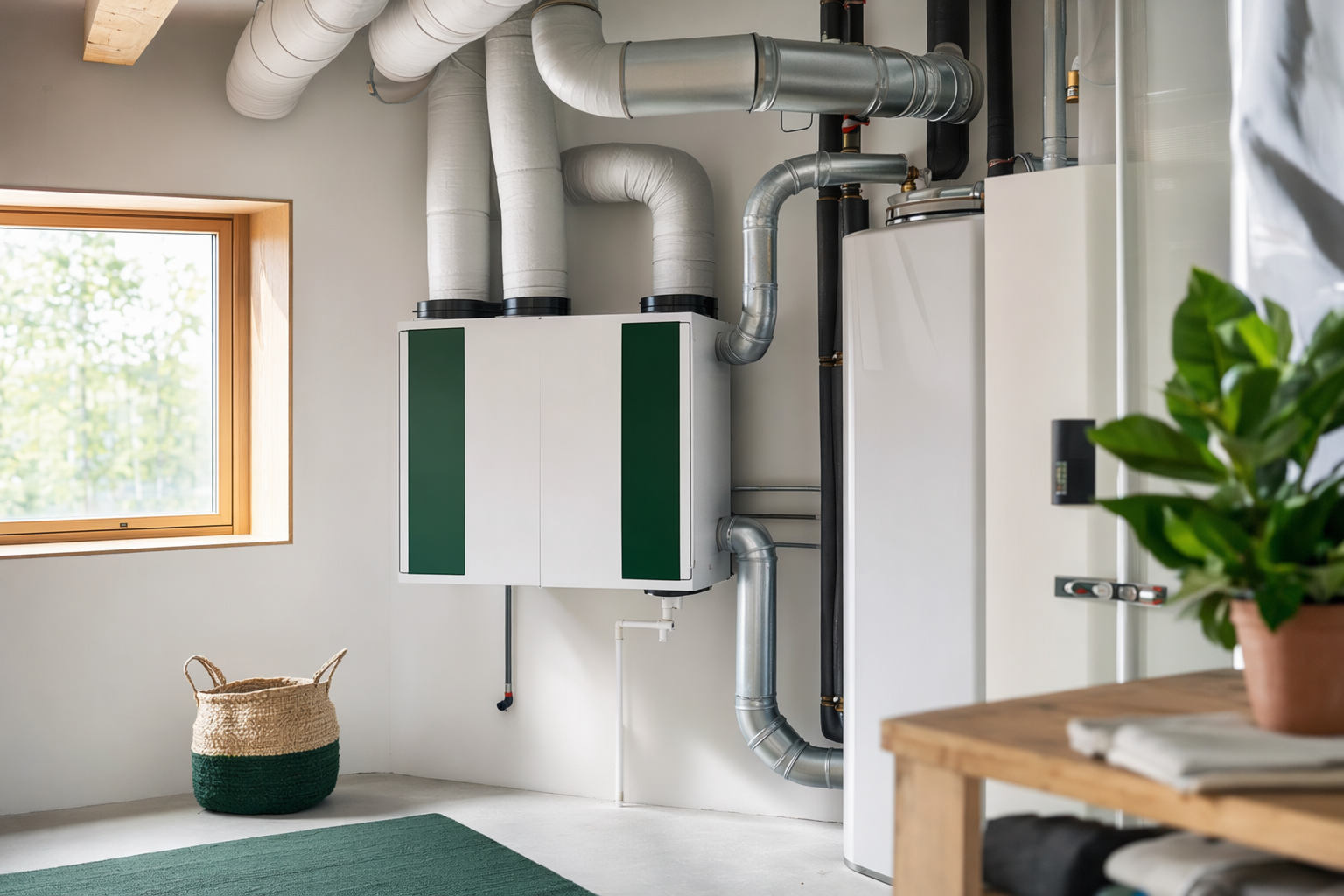
What is in the free guide
This download is a homeowner worksheet you can bring to builder calls, site visits, and bids. It is made to help you ask clear questions about the parts of a high-performance home that matter most.
Inside, you will find:
- interview questions about insulation, air sealing, windows, ventilation, heating and cooling, and moisture control
- space to write each builder's answers
- short notes on terms like R-value, ACH, blower-door test, U-factor, SHGC, HRV/ERV, and heat pumps
- a simple comparison section so you can review proposals side by side
It is not a promise that one builder is best for every project. It is a free planning tool to help you ask smarter questions, then confirm scope, price, and responsibilities in writing with a licensed builder.
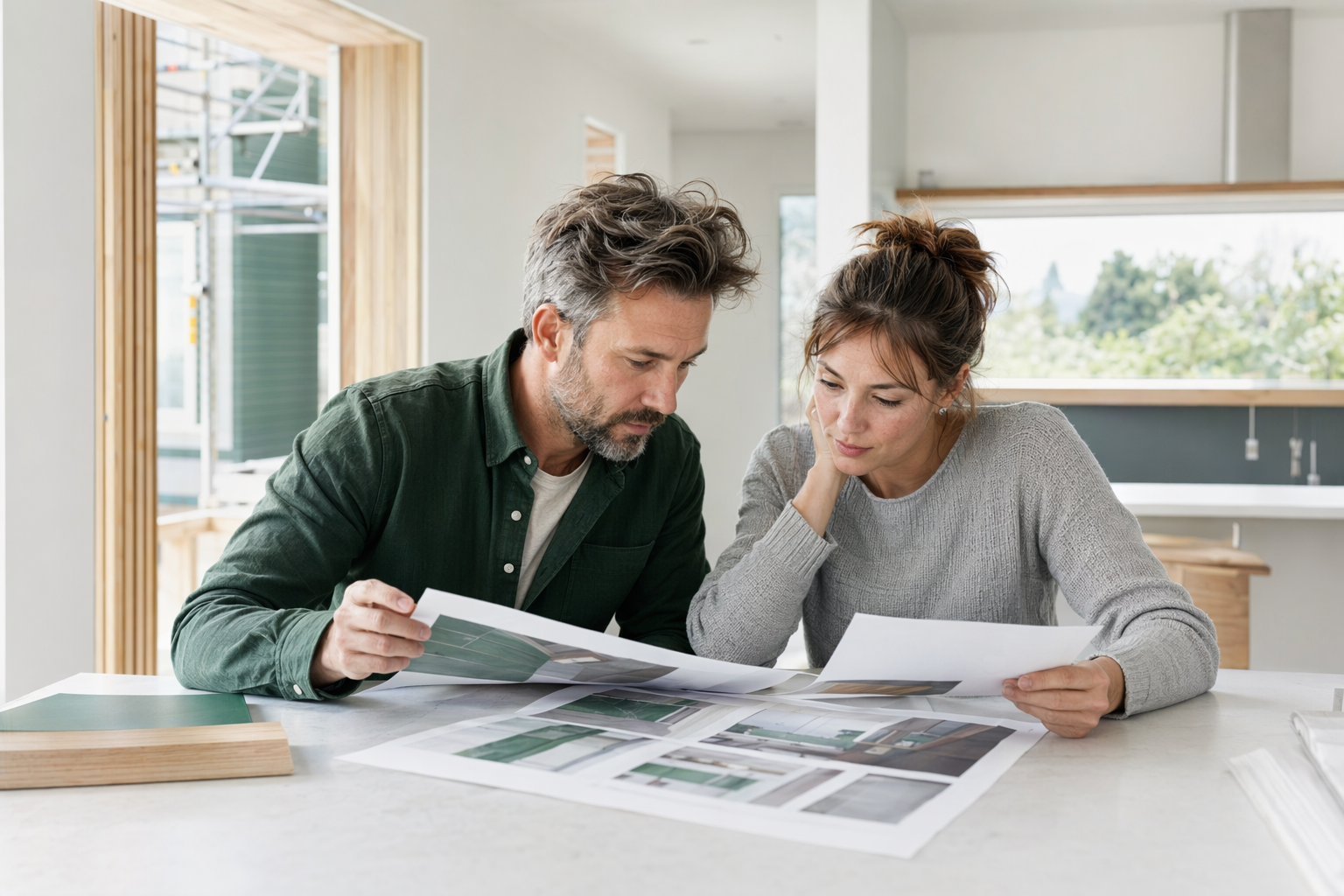
The questions help you hear real building knowledge
Many homeowners hear words like "green," "efficient," or "passive-ready," but the real difference is in the details. This guide helps you move past general claims and ask how the builder actually plans, measures, and checks the work.
For example, the worksheet prompts you to ask about target insulation levels, where the air barrier will be, whether a blower-door test is included, what window performance is being specified, and how fresh-air ventilation will be provided. Good answers are usually specific. They explain the assembly, the testing plan, and who is responsible for each part.
The guide also helps you ask follow-up questions. If a builder mentions a certification or performance goal, you can ask what steps they use to work toward it, what is included in their scope, and what items may affect the final result. You can learn more about these topics in systems and learn.
What good answers often sound like
You do not need to be an engineer to spot helpful answers. In general, stronger answers are clear, direct, and tied to a plan. Vague answers often sound like marketing.
Here are examples of the kind of detail you want to hear:
1. Insulation: the builder can explain wall, roof, and slab targets, and why those levels fit your climate and design.
2. Airtightness: the builder names an air-sealing strategy and says whether they plan to verify it with a blower-door test, often discussed in ACH.
3. Windows: the builder talks about window U-factor and SHGC, plus orientation and shading, not just brand names.
4. Ventilation: the builder explains whether they use an HRV or ERV, where ducts or delivery paths go, and how the system is balanced.
5. HVAC: the builder can discuss right-sized equipment, often including heat pumps, instead of saying bigger equipment is always better.
This does not guarantee performance, comfort, costs, or certification. Actual results depend on climate, design, site, budget, trades, and quality control during construction.
How to use the worksheet before you choose a builder
Start by filling in your goals. For example, you may want lower energy use, better indoor air quality, quieter rooms, fewer drafts, or a path toward net-zero. Then use the same questions with each builder so your comparisons are fair.
After each meeting, write down what was included, what was optional, and what still needs an answer. Ask for the final scope, allowances, exclusions, testing, and change-order process in writing. If pricing is a big concern, read costs for general planning help.
If you want help finding builders who have experience with green custom homes, use our free matching service at get matched. EverGrain Built is not a builder or contractor. We help you compare options, then you choose who to hire.

Ask each builder the same clear questions, write down the answers, and compare details, not just sales talk. This free guide helps you prepare, but you should still confirm scope, price, and testing in writing with a licensed builder.
Common questions
Is this guide only for passive house projects?
No. It is useful for many green and energy-efficient homes, including projects that are not seeking passive-house certification. The questions focus on core building topics like insulation, airtightness, windows, ventilation, and HVAC.
Will this tell me which builder is best?
It helps you compare builders, but it does not choose for you or guarantee an outcome. You still need to review experience, scope, pricing, license status, references, and contract terms, and confirm everything in writing with the builder you hire.
Do I need technical knowledge to use it?
No. The guide is written in plain language and explains common terms. You can use it as a conversation tool, even if this is your first time building a home.
Is the guide really free?
Yes. It is a free checklist and planning worksheet from EverGrain Built. If you also want help finding experienced green builders near you, our matching service is free too, and you compare and choose who to contact.