Learn
What is a passive house?
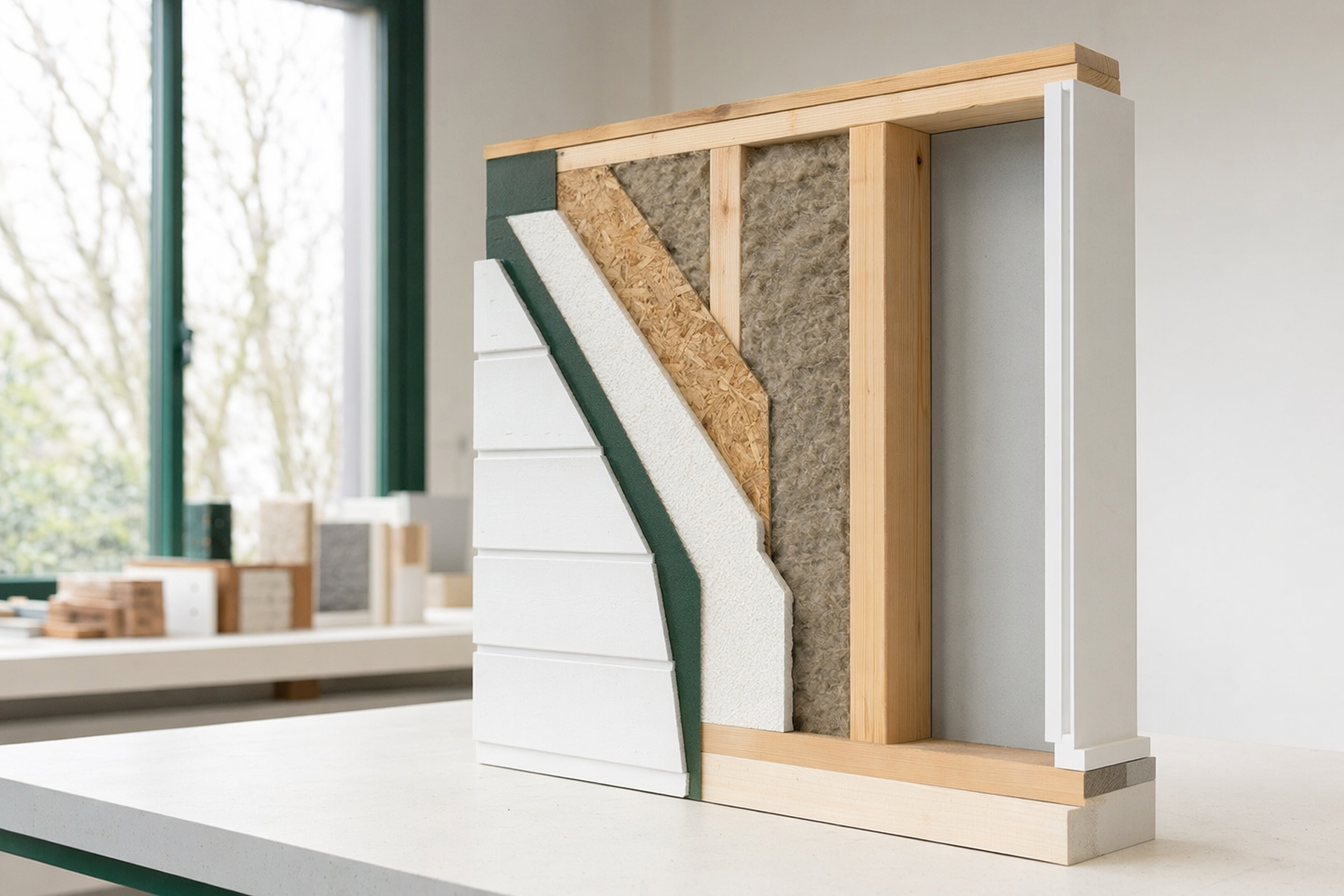
A passive house is a home designed to stay comfortable with very little energy for heating and cooling. It usually uses very good insulation, careful air sealing, high-performance windows, and fresh-air ventilation to reduce wasted energy.
The simple idea behind a passive house
A passive house is not a style of house. It is a way of designing and building so the home loses less heat in winter and gains less unwanted heat in summer.
The goal is to keep indoor temperatures steadier and reduce the work your heating and cooling system must do. A passive house can be modern, traditional, large, small, custom, or modest.
Some homes are built to a formal Passive House standard. Others use passive-house ideas without seeking certification. In either case, the design, materials, climate, site, and builder skill all matter.
What makes a house 'passive'
Most passive houses use the same core building ideas:
- High insulation levels in walls, roof, and often under the floor or slab
- Very airtight construction, often checked with a blower-door test and measured in ACH
- High-performance windows and doors, with attention to U-factor and SHGC
- Balanced fresh-air ventilation, usually with an HRV or ERV
- Careful detailing to reduce thermal bridging, air leaks, and moisture problems
These parts work together. A house with thick insulation but poor air sealing is not the same as a well-designed passive house.
Mechanical systems are often smaller because the building shell does more of the work. Many passive homes also use heat pumps, but the exact system depends on the home and climate. Learn more at /systems/.
How passive house can affect comfort and energy use
People are often interested in passive house because they want a home that feels more even from room to room. Better windows, good air sealing, and controlled ventilation can help reduce drafts, cold spots, and overheating.
A well-built passive home may also use less energy than a typical code-built home. But there is no one result for every project. Energy use depends on local weather, home size, layout, windows, shading, appliances, occupant behavior, and builder execution.
Fresh-air systems such as HRVs or ERVs can help bring in outside air in a controlled way. That is different from random air leaks through gaps and cracks.
If your long-term goal is a very low-energy home, passive-house ideas may also fit well with all-electric design or a future net-zero plan.
Passive house vs. green home
A passive house focuses mainly on very low heating and cooling demand, airtightness, insulation, windows, and ventilation. A green home is a broader idea.
A green home may include:
- Lower-energy design
- Better indoor air quality
- Water-saving fixtures
- Lower-impact materials
- Solar-ready or solar panels
- Durable details that can reduce future waste
So, a passive house can be a green home, but not every green home is a passive house. Some homeowners want full passive-house performance. Others want to borrow the best ideas without chasing a formal target.
If you are early in planning, our free guide and matching service can help you compare builders who understand these options. Start here: /get-matched/.
What to ask a builder before you decide
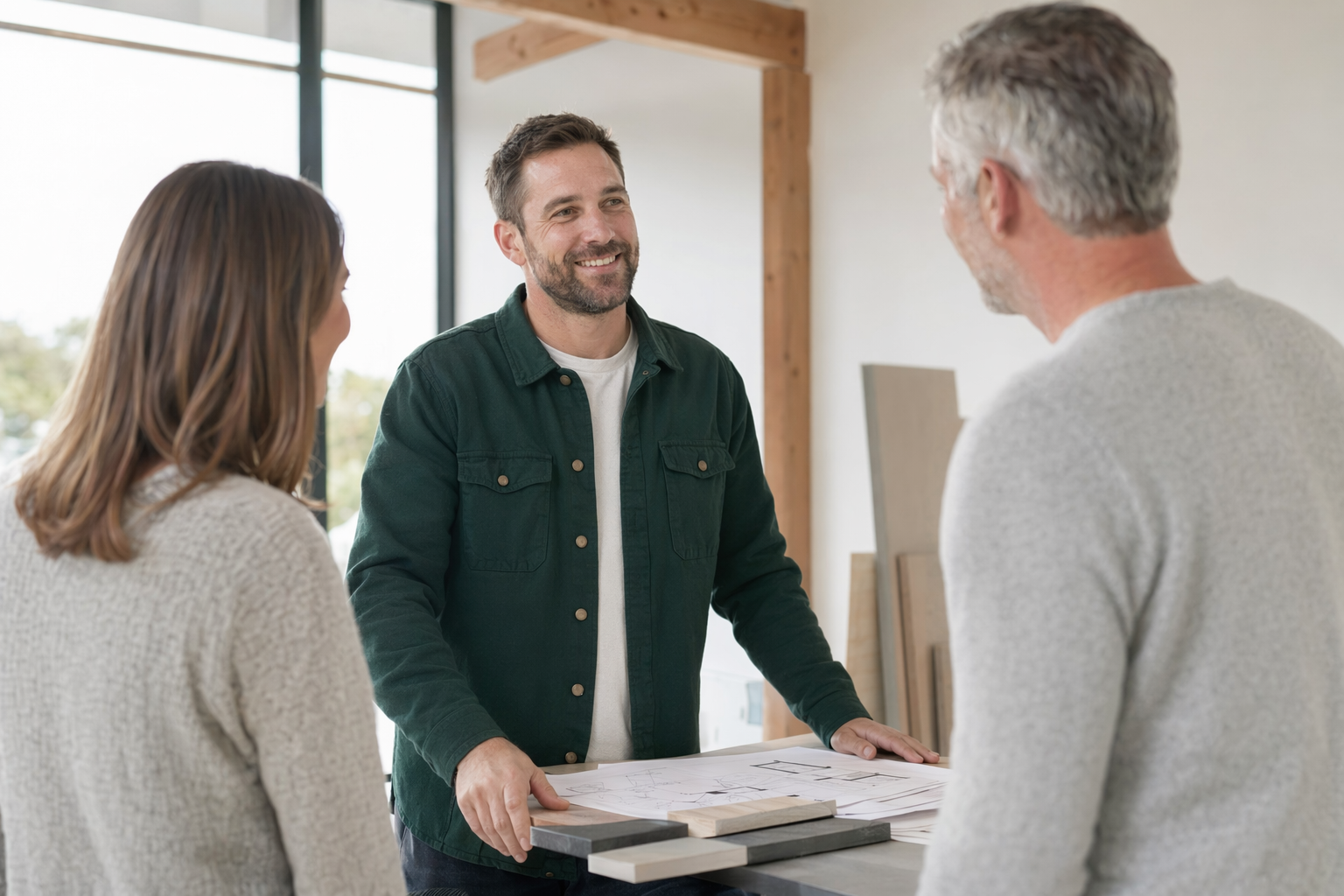
You do not need to know every technical detail before talking with a builder. But a few clear questions can help you compare experience and scope.
Ask about:
- Past projects using high insulation, airtightness, and mechanical ventilation
- Whether they test airtightness with a blower-door test, and when they test it
- The window specs they recommend, including U-factor and SHGC for your climate
- How they handle moisture control, flashing, and air barriers
- Whether they work with energy modelers or passive-house consultants when needed
- What is included in writing, and what costs extra
EverGrain Built is a free matching service. We are not the builder. We help you learn, compare, and connect with experienced green custom-home builders near you. You choose who to hire, and you should confirm scope, price, timeline, and warranty terms in writing with a licensed builder. You can also see /how-it-works/ or explore more at /learn/.
A passive house is a home built to waste less energy and stay more comfortable through better insulation, air sealing, windows, and ventilation. You do not have to build to a strict standard, but these ideas can help you ask smarter questions and compare builders.
Common questions
Does a passive house mean no heating or cooling system?
No. Most passive houses still have heating and cooling equipment. The difference is that the home is designed to need less of it. The exact system can be smaller or simpler, but that depends on the project and climate.
Is passive house only for cold climates?
No. Passive-house design can be used in many climates, including hot and mixed climates. The details change by region. For example, window choice, shading, humidity control, and cooling strategy may matter more in some places.
Do I need formal Passive House certification?
Not always. Some homeowners want certification. Others just want the performance ideas, like better insulation, airtightness, ventilation, and window quality. A good builder can explain the tradeoffs. If certification matters to you, ask about it early and get the scope in writing.
Is a passive house always worth the extra cost?
It depends. Costs vary by design, climate, site, local labor, materials, and how far you want to go. Some features may add cost up front, while others may reduce equipment size or improve durability and comfort. Compare proposals carefully and ask each builder to explain what is included.