Learn
How to read a green builder's estimate
A builder's estimate can look simple, but the details matter a lot in a green or passive-style home. This guide shows you what to look for, what questions to ask, and how to compare estimates from different builders in a clear, fair way.
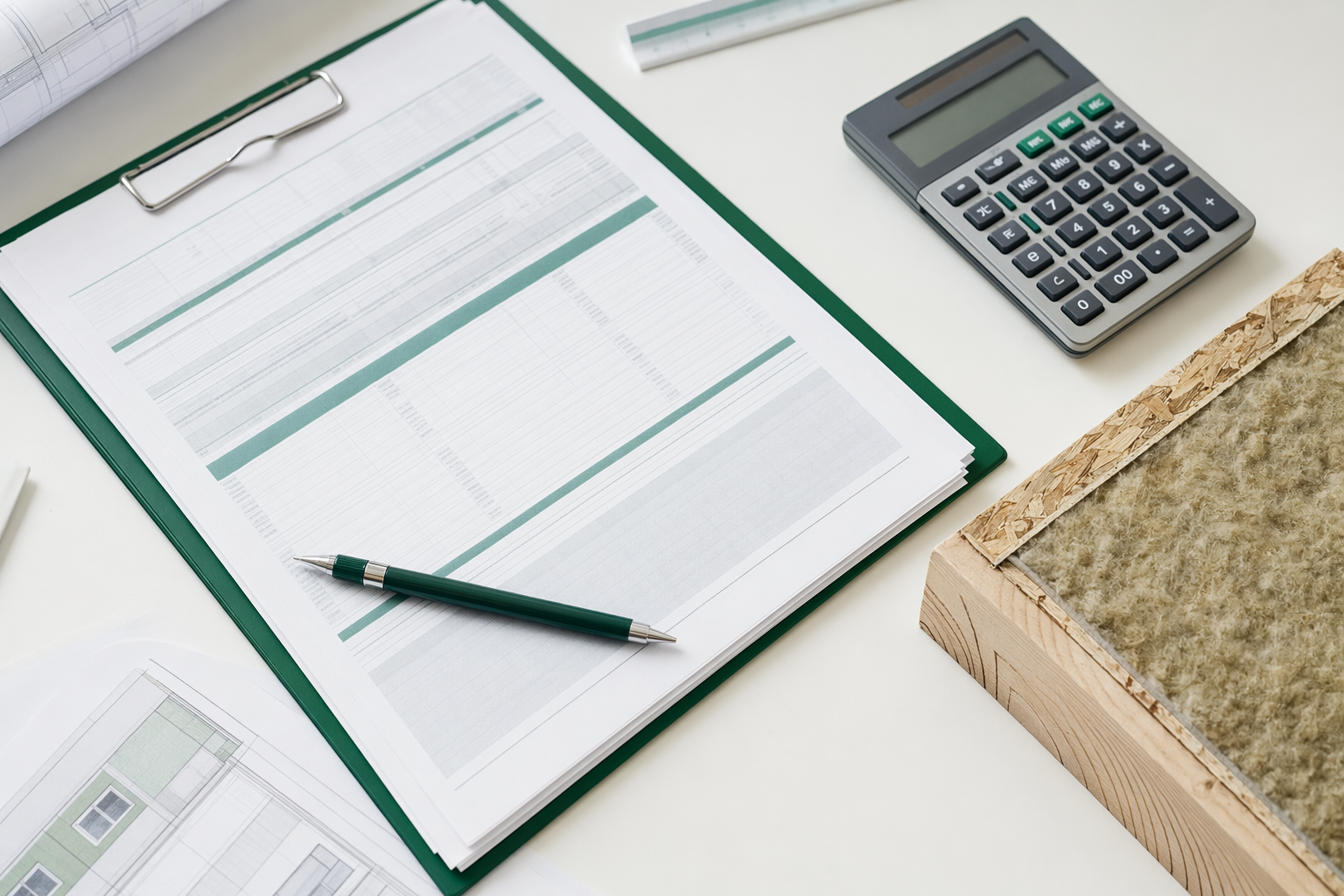
Start with the scope, not the bottom line
The total price is important, but it is not the best place to start. First, check what the builder is actually including. Two estimates can have very different scope, even if they look similar at first.
Look for clear descriptions of the home size, foundation type, wall and roof assembly, windows and doors, HVAC system, ventilation, insulation levels, air sealing work, and interior finishes. If one estimate says "allowance" or "builder standard" without details, ask for more explanation in writing.
A green home estimate should also say whether key items are included, such as a blower-door test, duct sealing, mechanical ventilation like an HRV or ERV, and high-performance window targets such as U-factor and SHGC. If the scope is vague, it is hard to compare bids fairly.
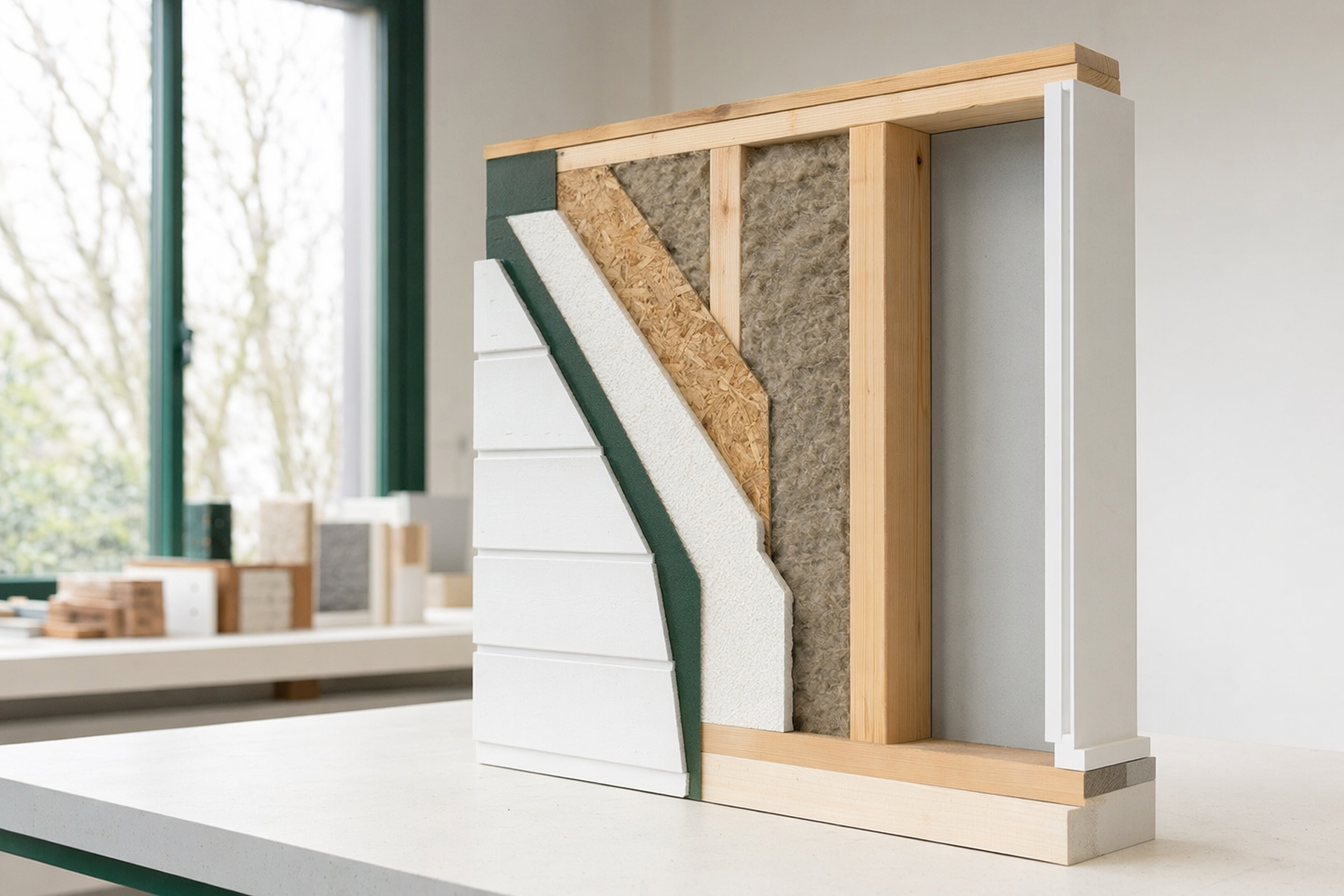
Check the energy details line by line
Green building is not one product. It is a group of choices that work together. A good estimate should make those choices easier to see.
Pay close attention to these items:
- Insulation R-value for walls, roof, and foundation
- Air sealing goals, such as an ACH target if the builder uses one
- Window and door performance, including U-factor and SHGC
- Heating and cooling equipment, such as a heat pump
- Fresh-air ventilation, usually an HRV or ERV
- Water heating, appliances, lighting, and solar readiness if discussed
If the estimate uses general phrases like "energy efficient package," ask what that means in real terms. Ask which products, which performance targets, and which tests are included. You can also review basic ideas on systems and other topics in our learn library.
Watch for allowances, exclusions, and change-order risk
Many estimate surprises come from small words. Allowance, excluded, owner to supply, and to be determined can all affect your final cost. These terms are common, but they need to be clear.
An allowance means the builder set aside a budget number for something not fully chosen yet, like cabinets, tile, lighting, or even windows. If your actual selection costs more, you usually pay the difference. That is why a low estimate with many allowances may not stay low.
Also check exclusions carefully. Site work, utility connections, permits, engineering, energy modeling, testing, landscaping, driveways, and septic or well work are often handled differently by different builders. Use costs as a starting point, then ask each builder to confirm in writing what is included and what is not.
Compare estimates the same way
The best way to compare builders is to ask each one to price the same information. If one builder includes thicker insulation, better windows, and balanced ventilation, and another does not, the lower number may not be a true apples-to-apples comparison.
Try this simple process:
- Give each builder the same plans and project notes.
- Ask for the same level of detail in each estimate.
- Ask them to list performance items separately, such as insulation, windows, air sealing, HVAC, and ventilation.
- Ask what testing or verification is included.
- Ask what assumptions they made about site work, permits, and finish level.
If you want help finding builders who work on green homes, get matched with EverGrain Built. Our service is free. We help you compare and choose who to speak with. You hire the builder you prefer, and you should confirm scope, schedule, and price in writing with a licensed builder.
Questions to ask before you sign
Before you move forward, ask the builder to walk through the estimate with you. A good conversation can reveal whether the builder is organized, transparent, and comfortable explaining green building choices in plain language.
Helpful questions include: What airtightness level are you aiming for. Is blower-door testing included. What insulation levels are planned in each part of the home. What window performance are you quoting. Is an HRV or ERV included. What type of heat pump is included, and who sizes it. Are there any major exclusions or allowances that could change later.
You can also ask how the builder handles changes. Ask when prices can change, how change orders are approved, and who is responsible if a product is unavailable. If you need help understanding the process, see how it works or get matched to compare experienced builders near you.

Do not judge an estimate by the total alone. Read the scope, the energy details, and the exclusions so you can compare builders fairly and choose with confidence.
Common questions
Why are two green builder estimates so different in price?
Often, they are not pricing the same scope. One builder may include better windows, more insulation, mechanical ventilation, testing, or more complete site work. Another may use larger allowances or leave more items out. Ask both builders to clarify inclusions, exclusions, and performance details in writing.
Should the estimate include a HERS score or passive house certification?
Not always. Some green homes use energy modeling or certification, and some do not. What matters is that the builder clearly explains the performance goals, the assemblies, the systems, and any testing included. If certification is important to you, ask if it is included, who handles it, and what fees are extra.
What if I do not understand the building terms?
That is normal. Ask the builder to explain each item in plain language. You can ask what it does, why it matters, and whether it is required, optional, or an allowance. You should feel comfortable asking questions before you sign anything.
Can EverGrain Built review my estimate for me?
EverGrain Built is a free matching and guide service, not a builder, architect, or contractor. We can help you understand what kinds of questions to ask and help you compare builders, but the builder you hire should confirm scope, price, and contract terms in writing. You should also verify licenses and local requirements.