Learn
How an airtight home stays healthy and fresh
An airtight home is not supposed to feel stuffy. A well-built airtight home stays fresh because it controls where air comes from, where it goes, and how it is filtered. The goal is simple. Keep out unwanted outdoor air, dust, pollen, smoke, and moisture leaks, then bring in clean fresh air on purpose with the right ventilation system.
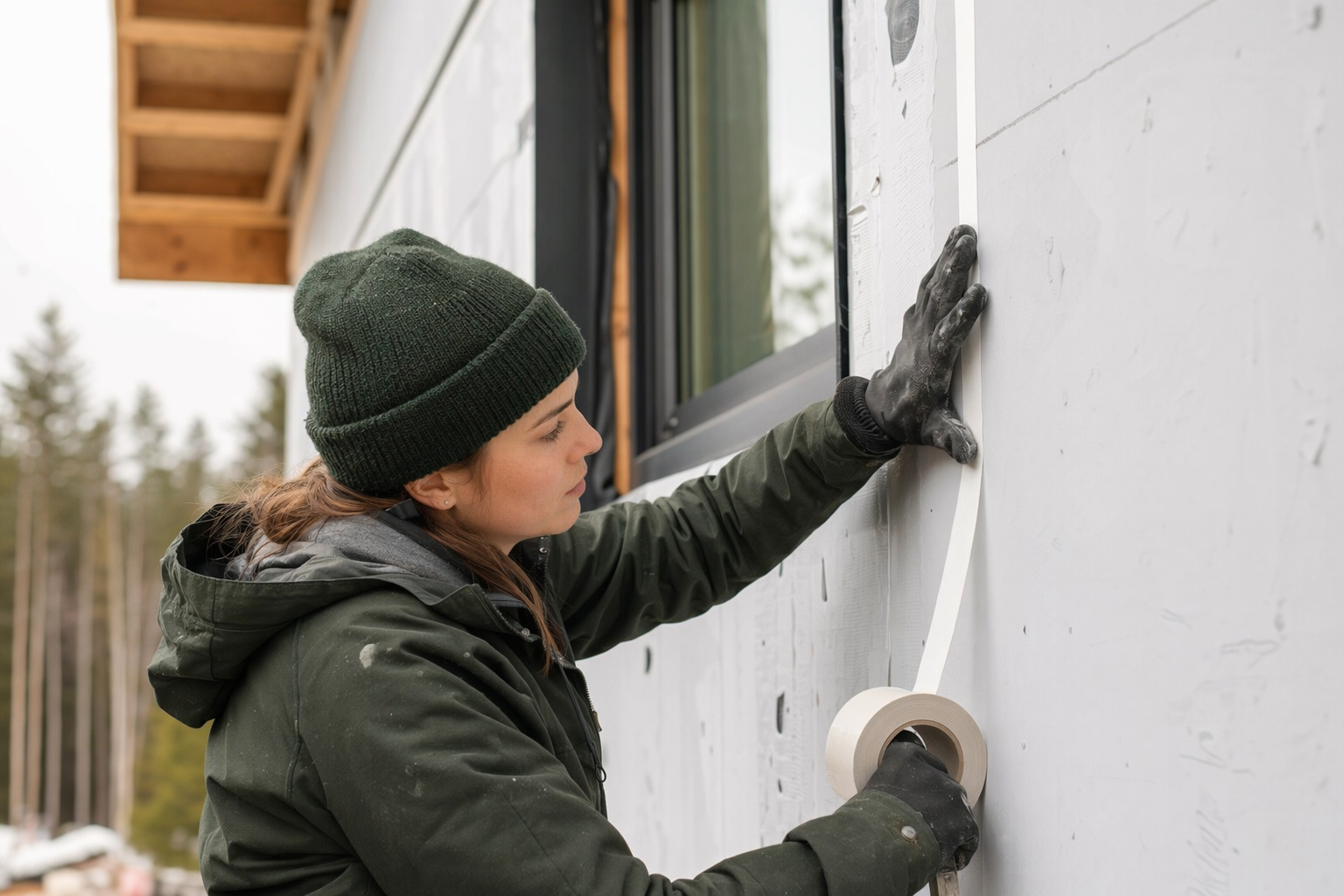
Why airtight does not mean sealed shut
People sometimes hear "airtight" and think a home cannot breathe. That is not how a healthy high-performance home works. Airtight means fewer random leaks through cracks, gaps, and holes in the building shell.
In a leaky home, air can sneak in from attics, crawlspaces, garages, wall cavities, and other dirty or damp places. In an airtight home, fresh air comes in through planned ventilation instead of through hidden leaks.
That is the main idea. Less uncontrolled air. More controlled fresh air.
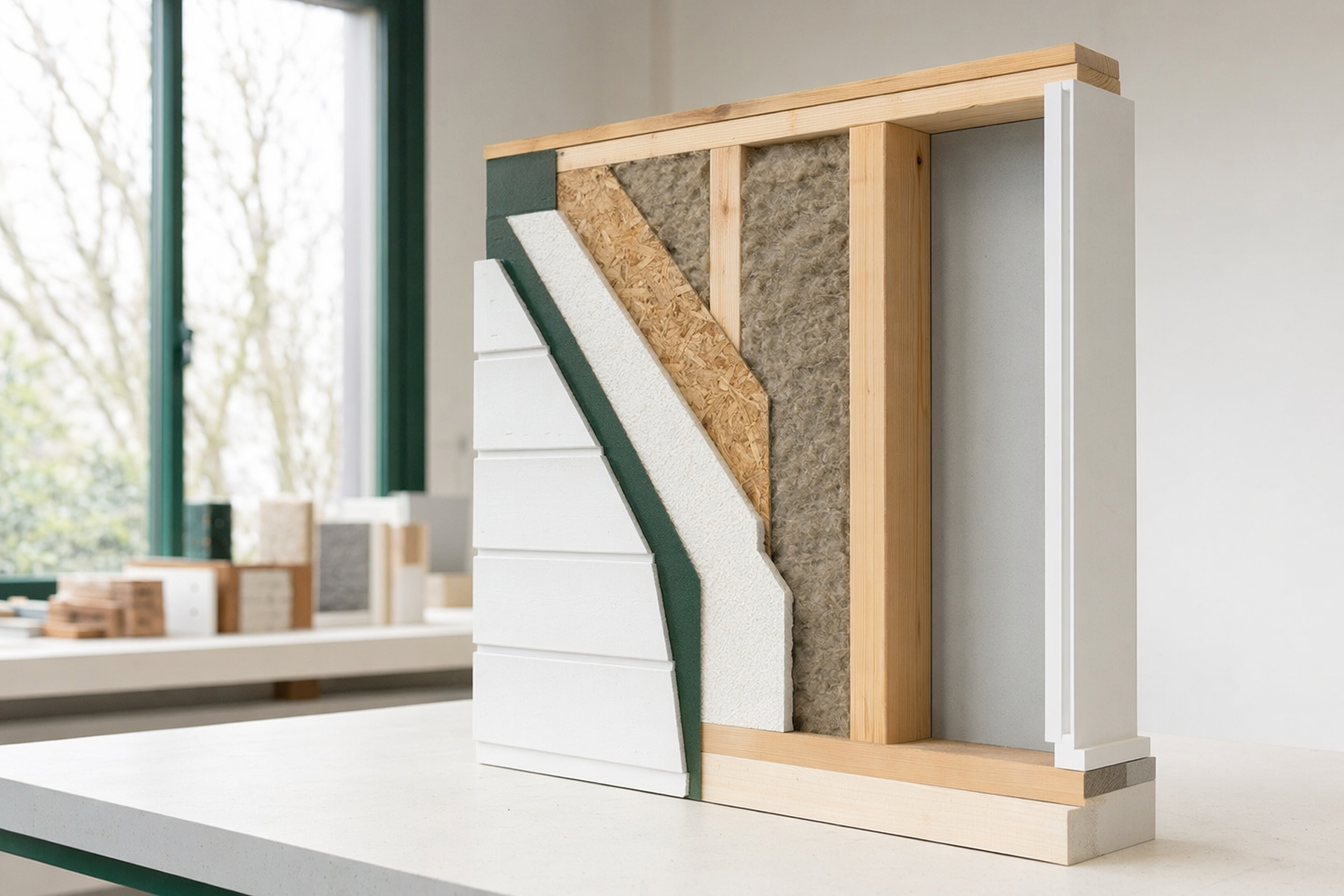
How fresh air gets into an airtight home
A healthy airtight home usually uses a mechanical ventilation system. The most common options are an HRV or ERV. These systems bring in outdoor air and remove stale indoor air at the same time.
They are designed to run on purpose, often at a low steady rate. Good design matters. The builder and HVAC team should size the system for the home, install the ductwork well, and balance the airflow.
You may also hear about kitchen and bath exhaust fans. These still matter. Spot ventilation helps remove moisture and odors at the source, especially when cooking or showering.
If you are early in planning, get matched to compare builders who understand airtightness, ventilation, and healthy indoor air.
What helps indoor air stay healthy
Fresh air is only one part of the picture. Good indoor air also depends on moisture control, low-pollution materials, and clean heating and cooling equipment.
Ask a builder about these basics:
- Airtightness target, often measured with a blower-door test in ACH.
- Balanced ventilation, usually with an HRV or ERV.
- Kitchen exhaust that vents outside.
- Good filtration in the HVAC system.
- Humidity control and details that reduce condensation risk.
- Low-emission materials, paints, sealants, cabinets, and flooring.
You can learn more about home equipment and performance choices on /systems/ and other guides in /learn/.
What to ask your builder before you sign
A builder does not need to use fancy words to do good work. But they should be able to explain their air-sealing and ventilation plan in plain language.
Good questions to ask include:
- What airtightness level are you aiming for, and how will you test it?
- Will the home have an HRV or ERV, and who will size and balance it?
- How will you handle kitchen exhaust, bath fans, and dryer vent details?
- What filtration will the HVAC system use?
- How do you manage moisture in walls, attics, crawlspaces, and basements?
Ask for the scope, equipment, and testing details in writing. Then compare bids carefully. EverGrain Built is a free matching service. We help you find builders to interview, but you choose who to hire and should confirm scope, price, and licensing directly with the builder.
Common problems, and how good teams prevent them
An airtight home can have problems if the design or installation is poor. That is true for any kind of house. The fix is not to make the home leaky. The fix is to design, build, and test it well.
Possible issues include under-sized ventilation, unbalanced airflow, too much indoor humidity, weak kitchen exhaust, or ducts installed badly. Some homes also need better source control, like venting combustion appliances properly or avoiding attached-garage air leaks.
A careful team will test and verify key parts of the home. That may include a blower-door test, HVAC commissioning, ventilation balancing, and checking window specs like U-factor and SHGC as part of the full comfort and efficiency plan. If budget is a big concern, review tradeoffs early on /costs/ and compare options with matched builders through /how-it-works/.

A healthy airtight home does not trap bad air inside. It keeps unwanted leaks out and brings fresh air in on purpose with the right ventilation system.
Common questions
Will an airtight home feel stuffy?
It should not, if it is designed and built well. A healthy airtight home uses planned ventilation, often an HRV or ERV, to bring in fresh air and remove stale air. Stuffy homes usually have a ventilation or moisture problem, not an airtightness problem by itself.
Do I still need to open windows?
You can open windows when you want to. But the home should not depend on open windows to stay healthy every day. The ventilation system should provide fresh air in normal conditions, even when it is too hot, cold, smoky, noisy, or rainy to keep windows open.
What is a blower-door test, and why does it matter?
A blower-door test measures how much air leaks through the home shell. It gives a number, often in ACH, that helps show how airtight the house is. It is useful because it turns air sealing into something the team can test and verify, not just guess about.
Can EverGrain Built tell me which ventilation system is best for my house?
We are not a builder, architect, or contractor, so we do not design the system for you. EverGrain Built is a free matching and guide service. We help you compare experienced green builders, and you can ask each one how they would handle airtightness, ventilation, filtration, and moisture control for your home and climate.