Learn
Green building and home resale value
A green home can be more appealing to some buyers, but resale value is not guaranteed. What matters most is how well the home is designed, built, documented, and cared for over time.
Why green features can matter at resale
Some buyers look for lower energy use, better comfort, cleaner indoor air, and newer building systems. A home with thoughtful green features may stand out, especially if those features are easy to understand.
Still, resale value depends on many things. Location, school district, market timing, home size, layout, condition, and local buyer demand often matter as much as, or more than, the green label.
The best approach is to build for your own needs first. If resale matters to you, ask how the home will be documented so future buyers can clearly see what was installed and why it matters.
Features buyers may understand and value
Not every green feature is easy for a future buyer to notice. Clear, familiar items often make the strongest impression.
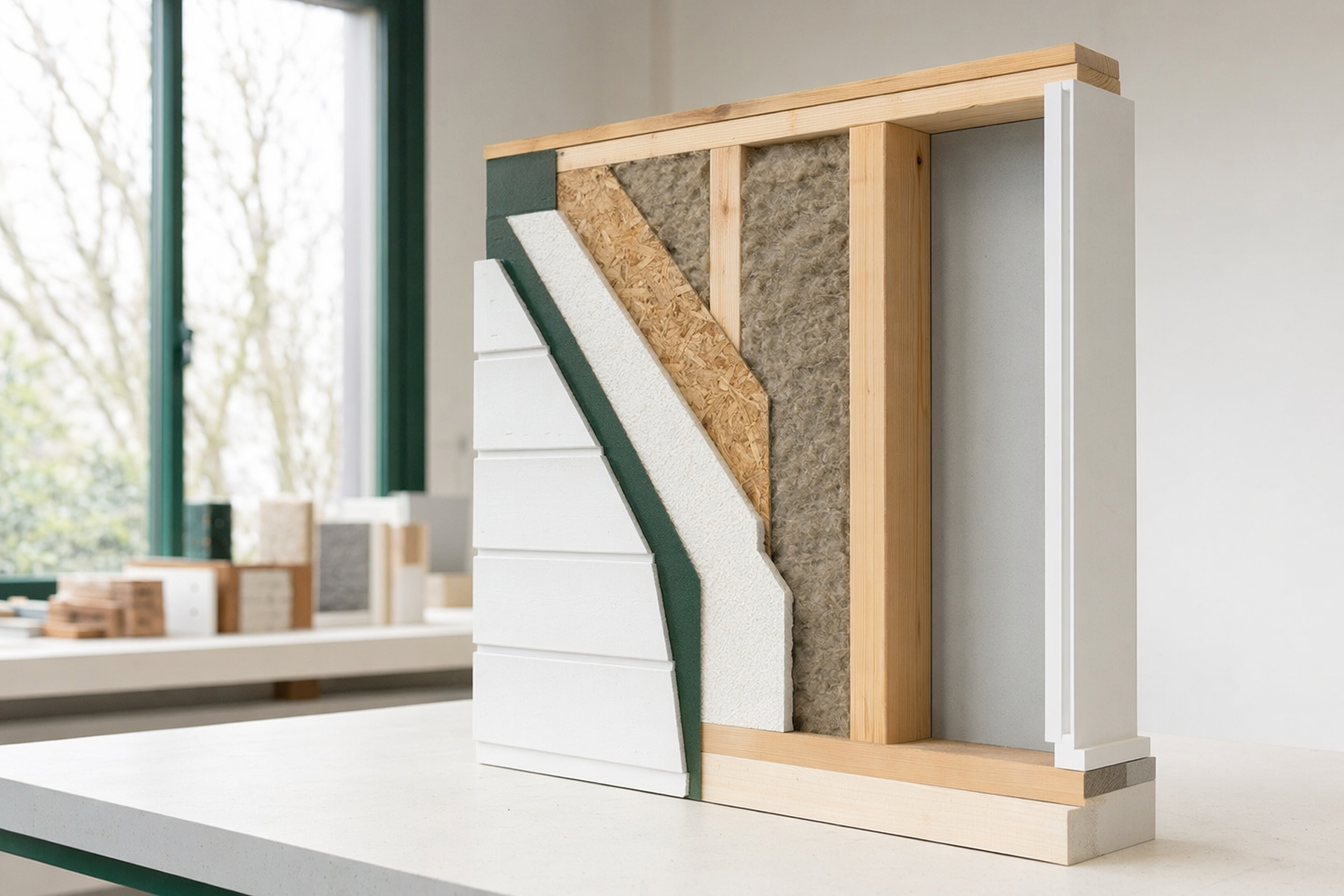
- Good insulation with clear R-values in walls, roof, and floor
- Tight air sealing, often verified by a blower-door test and reported as ACH
- High-performance windows with published U-factor and SHGC
- Efficient heating and cooling, such as a heat pump
- Fresh-air systems like an HRV or ERV
- Durable materials, good moisture control, and low-maintenance details
If you are planning a new custom home, ask the builder how these items will be explained in the final home file. You can also learn more about major home components at /systems/.
Documentation helps resale
A future buyer cannot see the insulation inside a wall or the air sealing behind drywall. Good records help turn hidden work into something real and understandable.
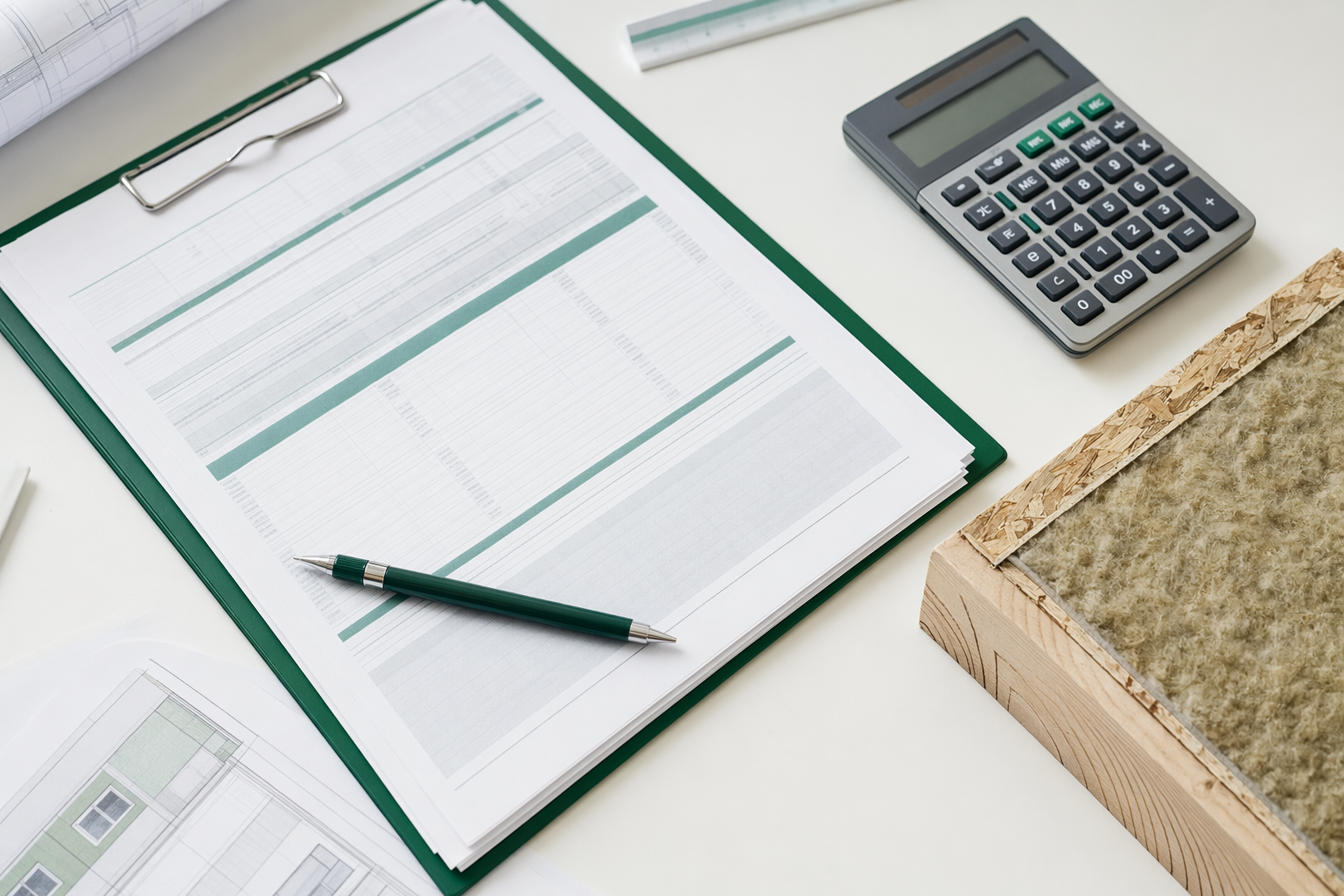
Helpful records can include plans, product specs, equipment model numbers, blower-door results, manuals, warranties, and photos taken during construction. If the home was tested or certified, keep that paperwork too.
Ask the builder for a simple turnover package at the end of the job. It should list key materials, system sizes, filter types, maintenance needs, and any test results. Confirm this scope in writing with your licensed builder before work starts.
What does not automatically raise resale value
A higher build cost does not always lead to a higher sale price. Some upgrades are very valuable to the owner living in the home, but may be harder for a future buyer to price.
Custom choices can also narrow the buyer pool. Very unusual layouts, highly specific equipment choices, or features that are hard to operate may not appeal to everyone.
This does not mean green building is a bad idea. It means you should separate two goals. One goal is better daily living for your family. The other goal is possible resale appeal later. A good builder can talk honestly about both, and you can compare options through our free matching service at /get-matched/.
How to talk to a builder about resale
Bring up resale early, before plans are final. You are not asking for a promise. You are asking how the builder thinks about durable, understandable, market-friendly choices.
- Ask which green features are easiest for future buyers to understand.
- Ask what testing will be done, such as blower-door testing.
- Ask what records you will receive at handoff.
- Ask how maintenance will be explained to a future owner.
- Ask for the scope, exclusions, and price in writing.
EverGrain Built is a free matching and guide service. We are not the builder. We help you compare experienced green custom-home builders near you, then you choose who to hire. See how it works at /how-it-works/ or start here: /get-matched/.

Green features can help your home stand out, but resale value is never certain. Build for your family first, and keep clear records so future buyers can understand the home's quality.
Common questions
Will a green home sell for more?
Maybe, but there is no guarantee. Sale price depends on local demand, the overall housing market, the home's design and condition, and how clearly the green features are documented and understood by buyers.
Do I need a formal certification to help resale?
Not always. Some buyers and appraisers may value a recognized certification, but strong design, good testing, and clear records can also matter. If certification is important to you, ask the builder what is included, what is optional, and what can realistically be achieved for your project.
What should I save for future buyers?
Keep plans, product sheets, manuals, warranties, test reports, photos from construction, and a simple list of major systems and maintenance tasks. These records can help a buyer understand the home's quality and operation.
How can EverGrain Built help me?
We offer a free matching service for homeowners. We help you compare green custom-home builders near you. You choose who to hire, and you should confirm scope, testing, timeline, and price in writing with a licensed builder.