Learn
Does a green home cost more to build?
Sometimes, yes. A green home can cost more to build up front, but the extra cost depends on your design, climate, site, materials, and the builder you hire. The good news is that many green choices can be planned in steps, so you can compare what matters most for your home and budget.
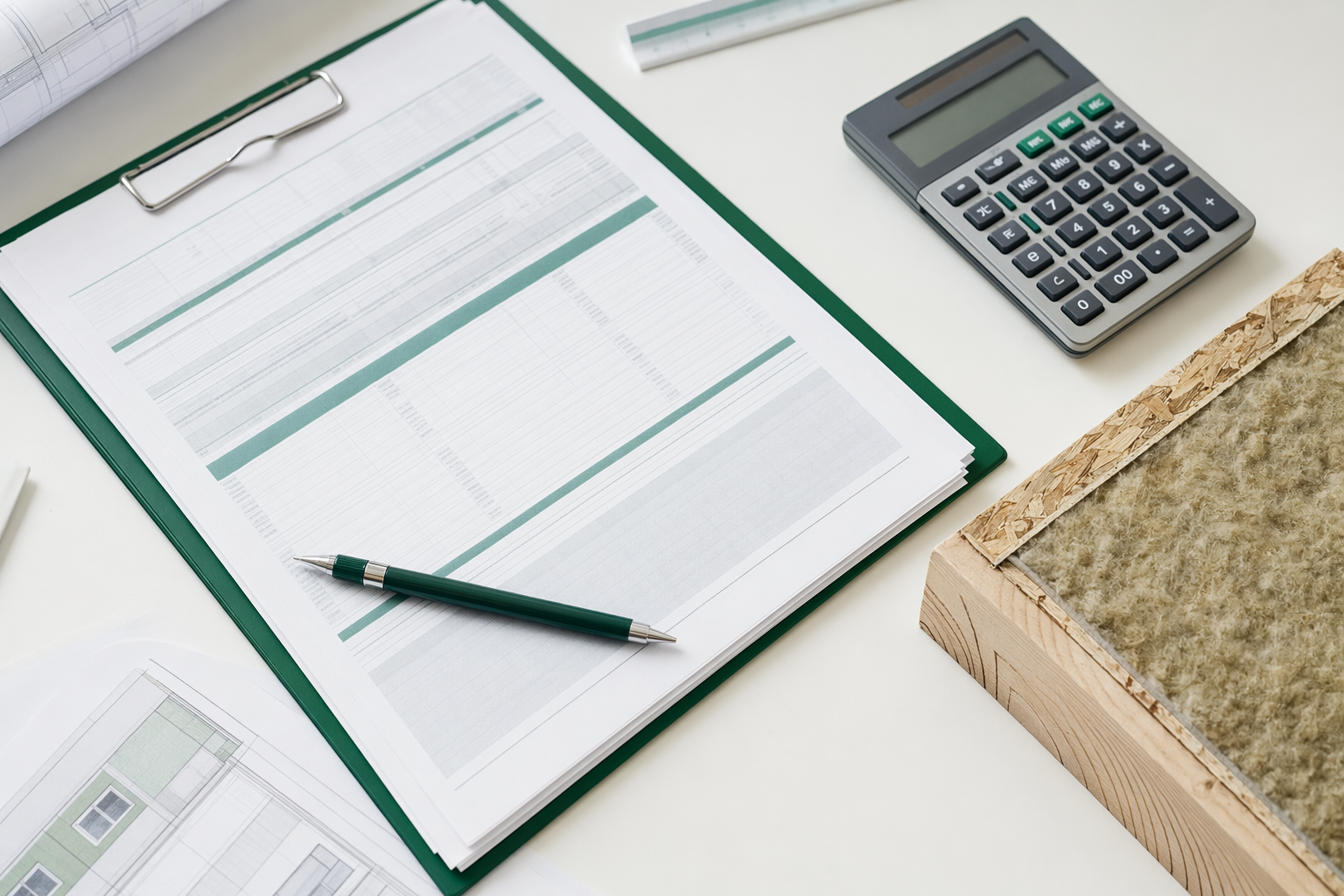
The short answer is yes, but not always by the same amount
A green home is not one fixed product. It is a group of choices about the building shell, windows, heating and cooling, ventilation, water use, and materials. Some choices add cost. Some cost very little if they are planned early.
For example, better air sealing, simpler building shape, careful window placement, and right-sized HVAC can sometimes be easier to afford than expensive upgrades added late. On the other hand, very high insulation levels, triple-pane windows, solar panels, or specialty products may raise the price more.
A passive-style or net-zero-ready home often costs more than a standard code-minimum home. But the amount varies a lot. That is why it helps to ask builders for written options, not just one price.
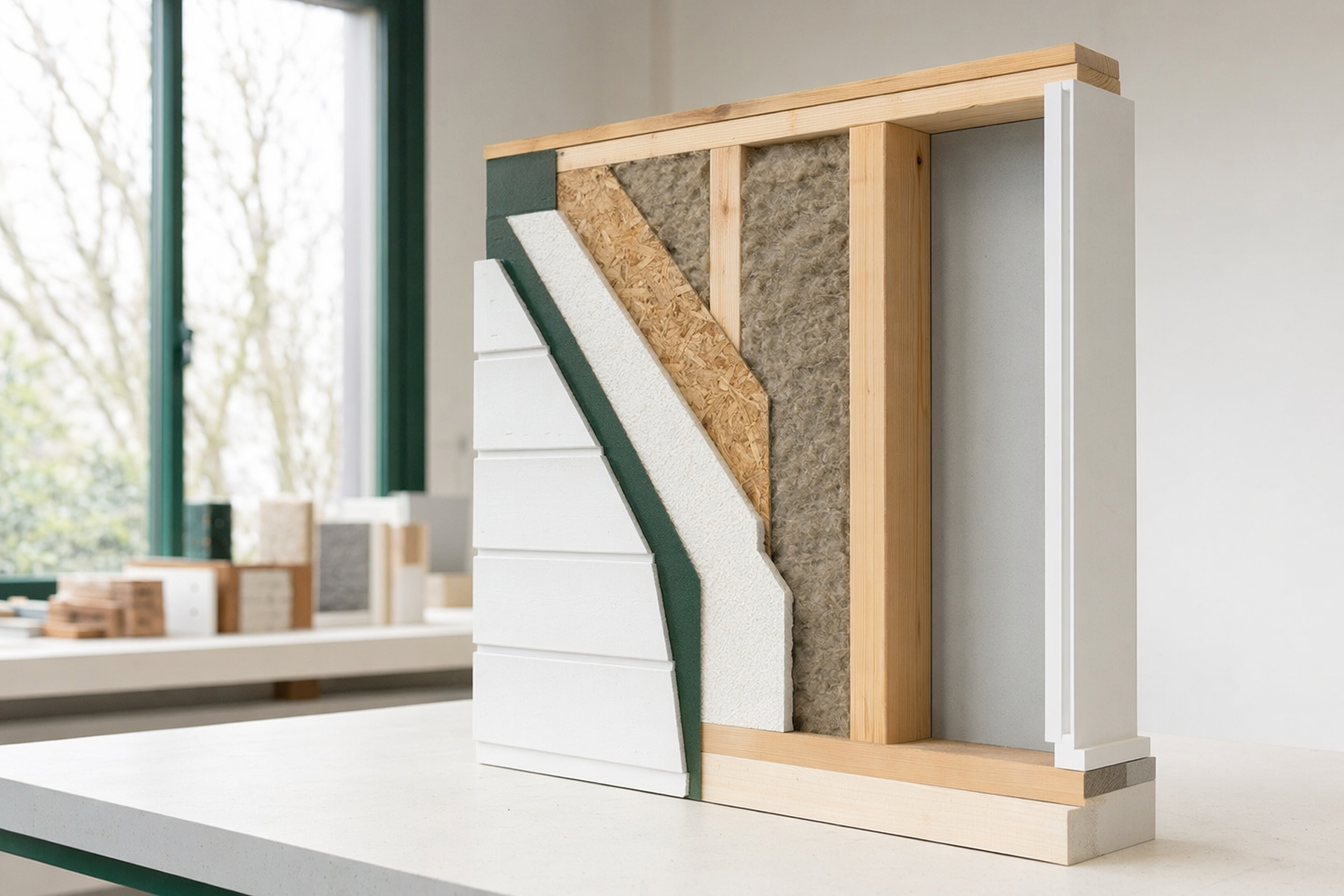
What usually adds cost in a green home
The biggest cost changes often come from the parts of the home that improve energy performance and indoor air quality. These are real building items, not just labels.
- More insulation, such as higher wall or roof R-value
- Better windows and doors, including lower U-factor and climate-appropriate SHGC
- More airtight construction, often checked with a blower-door test and measured in ACH
- Balanced fresh-air systems like an HRV or ERV
- High-efficiency equipment, such as heat pumps for heating and cooling
- Electric-ready or all-electric systems
- Solar-ready design, or solar added now or later
Not every project needs every item. A builder may suggest different upgrade levels based on your climate zone, lot, and goals. You can learn more about common parts of a green home at systems and other topics in learn.
What can help control the price
Good planning matters. A compact home with a simple roofline and fewer corners is often easier to air seal and insulate well than a large complex home. That can improve performance without paying for many complicated details.
It also helps to decide your priorities early. If your top goals are lower energy use, better comfort, quieter rooms, and healthier indoor air, your builder can show which upgrades support those goals first. If your budget is tight, you may choose a strong shell now and leave some items, like solar, for later.
Ask for options in writing. For example, compare code-minimum, better-than-code, and passive-style packages. Then compare not only price, but also what is included, such as insulation levels, window specs, airtightness target, ventilation type, and HVAC design.
How to compare quotes from green builders
Two homes can have the same price and very different performance. Two homes can also have very different prices because one quote includes more detail than the other. That is why a clear scope matters.
Ask each licensed builder to put these items in writing:
- Insulation levels for walls, roof, and slab or floor
- Window specs, including U-factor and SHGC
- Airtightness goal, such as target ACH, and whether a blower-door test is included
- Ventilation system type, such as HRV or ERV
- Heating and cooling system, including whether it uses heat pumps
- Any solar-ready, EV-ready, or all-electric features
If you want help finding builders who work on energy-efficient or passive-style homes, get matched. EverGrain Built is a free matching service. We help you compare experienced builders near you, and you choose who to contact and hire.
Think in terms of value, not just upfront price
A lower bid is not always the better long-term choice. Better windows, stronger air sealing, and balanced ventilation may affect comfort, noise, durability, and indoor air quality. But results vary by home, weather, maintenance, and how the house is used.
It is smart to ask, "What do I get for the extra cost?" A good builder should explain the tradeoffs in plain language. They should also explain what is tested, what is assumed, and what is optional.
EverGrain Built does not build homes or set prices. We are a free guide and matching service. You compare builders, ask questions, and confirm final scope, performance targets, timeline, and price in writing with the licensed builder you choose. You can also read more about planning and pricing at costs and how it works.
Yes, a green home can cost more up front, but the extra cost is different for every project. The best next step is to compare written options from licensed green builders and choose the level that fits your goals and budget.
Common questions
Is a green home always more expensive than a regular home?
Not always. Some green choices add little cost if they are planned early, while others can add more. The final price depends on the size and shape of the home, your site, climate, materials, systems, and the builder's scope.
What is the most cost-effective green upgrade?
There is no one answer for every home. Many builders start with the building shell, such as air sealing, insulation, and windows, because these affect how the home performs every day. Ask your builder which upgrades give the best value for your climate and design.
Should I build to passive house level if my budget is limited?
Maybe, but not everyone needs the same target. Some homeowners choose a passive-style approach for parts of the home, like airtightness, insulation, and ventilation, without chasing a formal certification. Ask for upgrade levels so you can compare the cost and scope clearly.
Can EverGrain Built tell me what my home will cost?
No. EverGrain Built is a free matching and guide service, not a builder or contractor. We can help you find builders with green-home experience, but each licensed builder should give you their own written scope and price.