Learn
Can you make an existing home passive?
Sometimes, yes. But making an existing home fully passive is harder than building new, and for many homes the better goal is to get as close as practical with better insulation, airtightness, windows, and efficient systems.
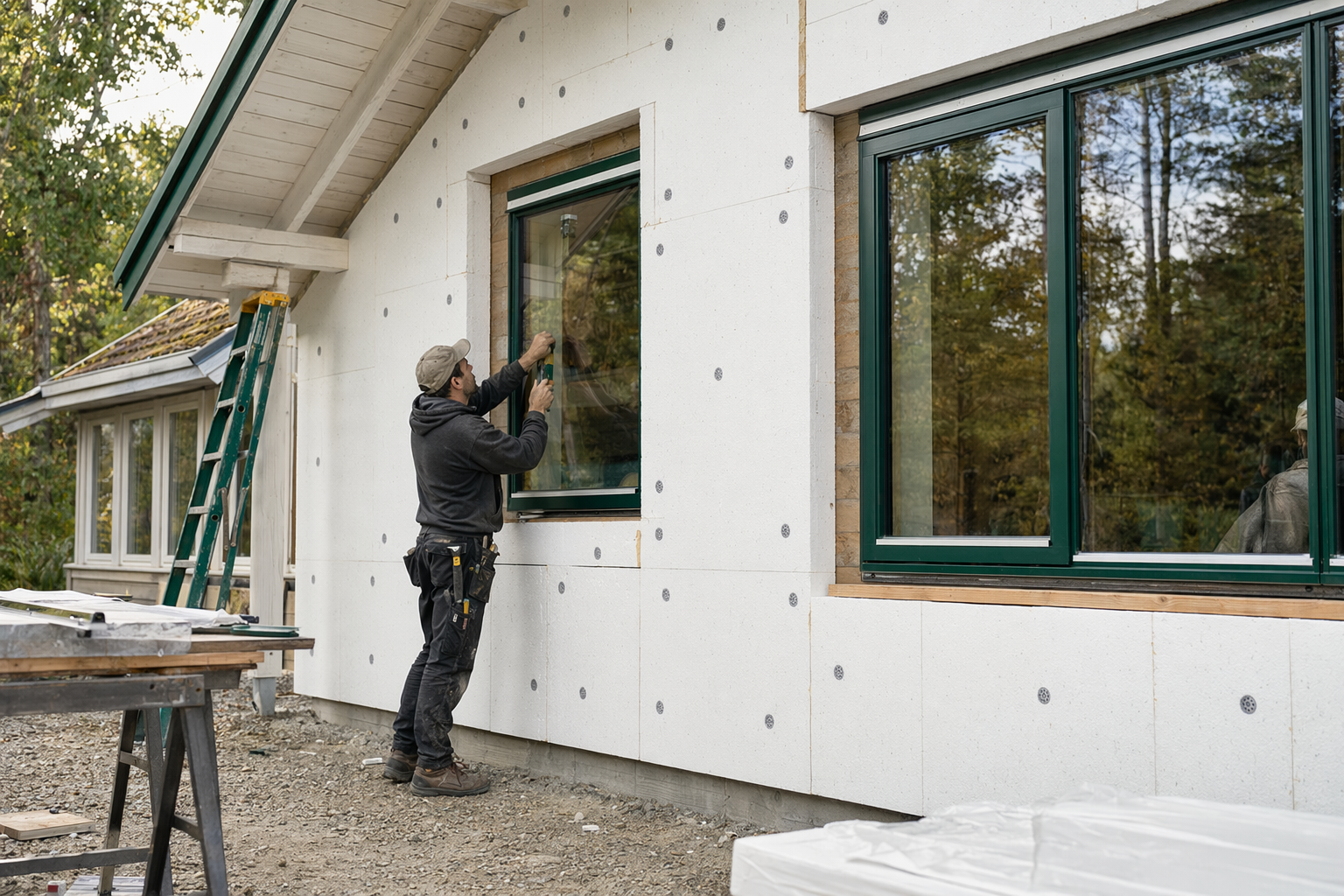
What “passive” means in an older home
A passive home is designed to use very little energy for heating and cooling. It usually has very good insulation, very low air leakage, high-performance windows and doors, and balanced fresh-air ventilation, often with an HRV or ERV.
In an existing home, the question is not just, "Can it be done?" It is also, "Does it make sense for this house, this climate, and this budget?" Some retrofits can reach very high performance. Others improve a lot without hitting a formal passive target.
That is normal. Many homeowners aim for a deep energy retrofit instead of strict passive certification. A good green builder can help you compare both paths.
Why retrofitting to passive is hard
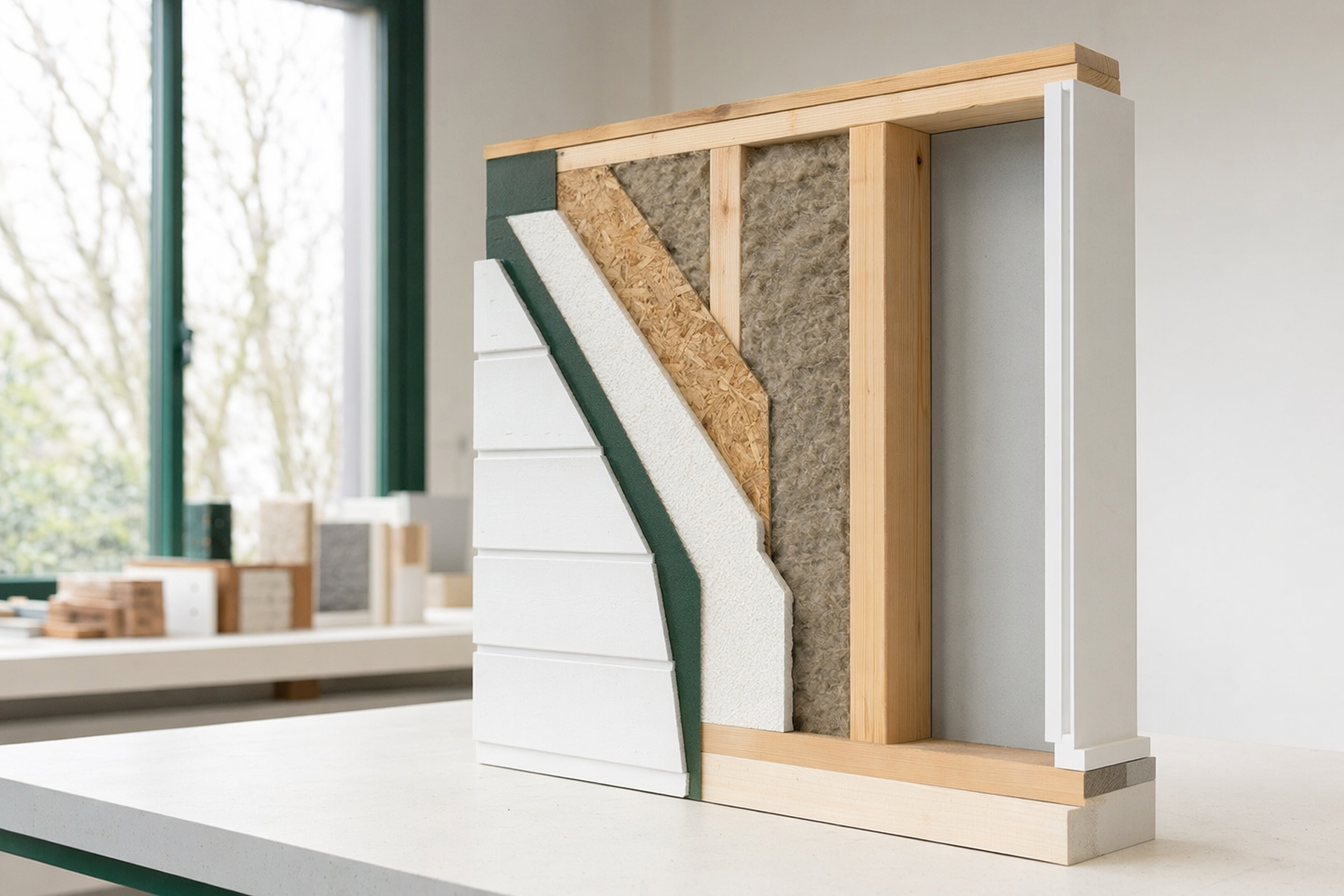
Older homes were not built around passive design rules. They may have complex roof lines, uneven framing, little space for added insulation, and many air leaks hidden in walls, floors, and attics.
The biggest challenge is often the building enclosure. To get close to passive levels, the home usually needs major work in several areas at once:
- Better insulation in the roof, walls, and foundation
- Much lower air leakage, verified with a blower-door test
- Windows and doors with good U-factor and SHGC for your climate
- Careful control of moisture and thermal bridging
- Balanced ventilation, often with an HRV or ERV
That level of work can mean opening walls, changing exterior cladding, rebuilding parts of the roof, or reworking the basement or crawlspace. It is often easier during a gut renovation or major addition than in a light remodel.
What upgrades usually matter most
Not every house needs the same package. A cold-climate house with poor attic insulation may need a different plan than a hot-humid house with bad windows and duct leaks. Start with testing and a whole-house plan, not random upgrades.
A builder or consultant may look at these items first:
- Air sealing. Reduce drafts and uncontrolled leaks. Airtightness is commonly checked with a blower-door test, often reported in ACH.
- Insulation. Improve roof, wall, and foundation insulation to reduce heat loss and heat gain.
- Windows and doors. Choose products with climate-appropriate U-factor and SHGC, and make sure installation details are right.
- Ventilation. Add controlled fresh air, often with an HRV or ERV, because a tighter home needs planned ventilation.
- Heating and cooling. Right-size equipment, often including heat pumps, after enclosure improvements are considered.
You can learn more about common equipment on our systems page.
Do you need full passive, or just much better?
You do not have to reach a formal passive standard for the project to be worthwhile. Many homeowners want a home that feels less drafty, handles temperature swings better, and uses less energy. Those goals can often be improved a lot without a full passive retrofit.
A practical plan may be to do the work in phases. For example, first improve the attic and air sealing, then replace windows when needed, then update HVAC and ventilation. Phased work can make sense if you cannot open the whole house at once.
Still, phased work needs a plan. One upgrade can affect another. For example, tightening a home changes ventilation needs, and new windows alone may not solve comfort issues if insulation and air sealing stay poor. A builder experienced in green homes can help you avoid paying twice for the same problem.
If you want help finding companies to compare, use our free get matched service. EverGrain Built is not a builder. We help you connect with experienced green custom-home builders near you, and you choose who to hire.
How to talk to a builder about a passive-style retrofit
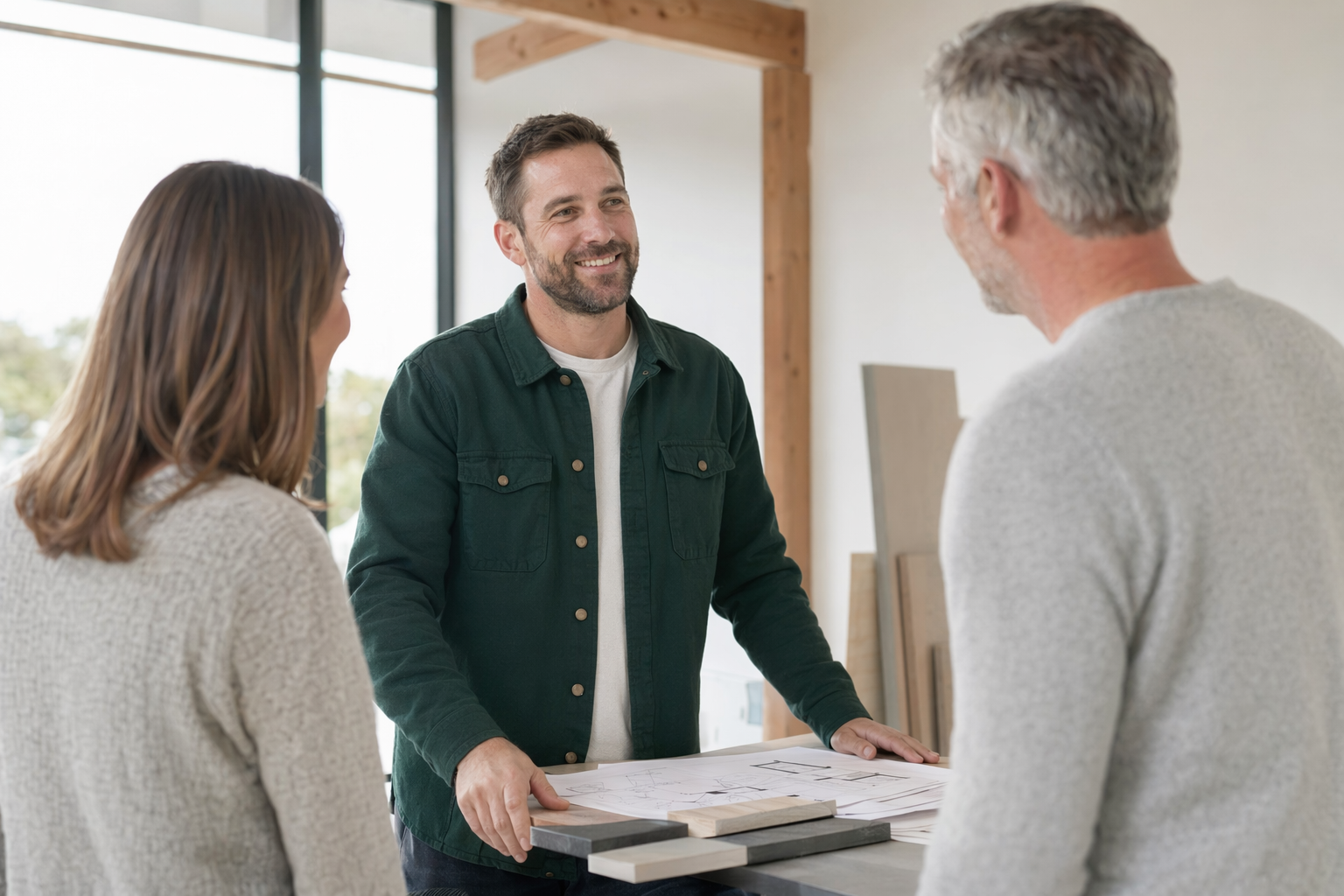
Bring clear goals to the first conversation. Say whether you care most about lower energy use, fewer drafts, better summer comfort, healthier fresh air, all-electric design, or getting close to net-zero. Ask what is realistic for your house.
Good questions to ask include:
- Have you done deep energy retrofits or passive-style remodels before?
- Will you test the home before and after, including a blower-door test?
- How do you handle moisture risk, air sealing, and thermal bridges?
- What window performance targets make sense here?
- Do you recommend an HRV or ERV?
- How will you size heat pumps after enclosure upgrades?
- What parts of scope and price will be fixed in writing?
It also helps to ask what they would not promise. Honest builders will tell you that costs, energy use, comfort, and certification outcomes vary by house, climate, site conditions, and workmanship. You can read more about the process on how it works, browse more guides in learn, or start with free builder matching at get matched.
Yes, an existing home can sometimes be made passive or close to it, but it is usually a big project. For many homes, the smartest path is a well-planned retrofit that improves insulation, airtightness, ventilation, and efficient systems.
Common questions
Can any old house be turned into a passive house?
Not always in a practical way. Some homes can get very close with major enclosure work. Others are better candidates for a deep energy retrofit that improves performance a lot without meeting a strict passive target.
Is it cheaper to retrofit or rebuild?
It depends on the house and the scope. A simple upgrade plan is often less than a full rebuild, but a true passive-level retrofit can involve major demolition and reconstruction. Compare options carefully, and ask for scope and price in writing from a licensed builder.
Do I need to replace all my windows?
Maybe not. Windows matter, but they are only one part of the enclosure. In some homes, attic insulation, air sealing, or foundation work may deliver more benefit first. A whole-house plan is better than guessing.
Can I do the work in phases?
Yes, many homeowners do. But the phases should fit one plan, so new work does not create moisture, ventilation, or comfort problems later. Testing and good sequencing matter.