Project stories
A 1970s home, deeply retrofitted for comfort
This anonymized project story shows how one older home was upgraded step by step for better comfort, lower energy waste, and healthier indoor air. It is one example only. Results, scope, cost, and performance vary by home, climate, site conditions, and the builder you hire.
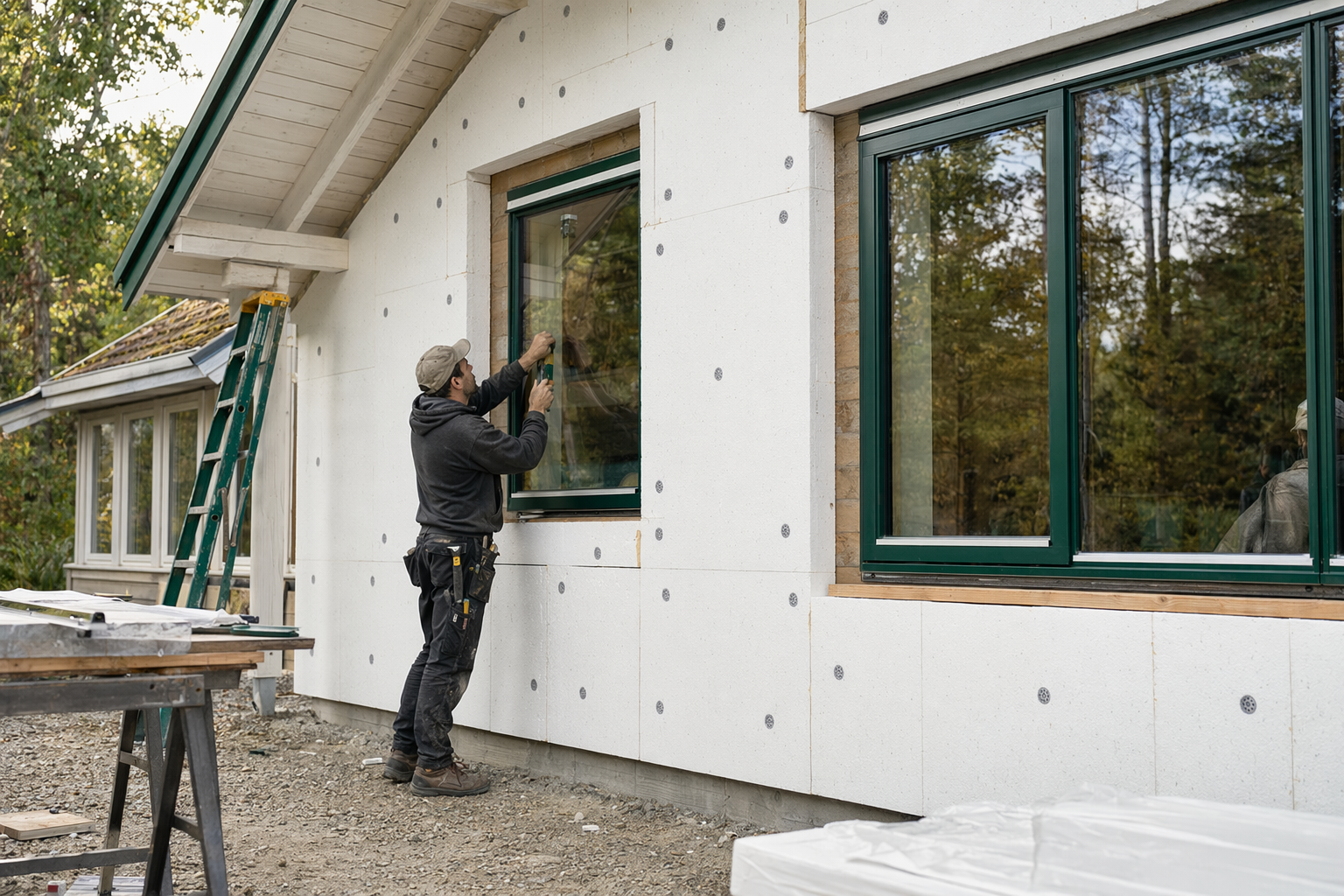
Why this family chose a deep retrofit
The house was built in the 1970s. It had drafty rooms, uneven temperatures, older windows, and rising utility bills. The owners liked the location and layout, so they chose to improve the home instead of moving.
Their goals were simple. They wanted a quieter, more comfortable house with better air sealing, better insulation, and modern mechanical systems. They also wanted to make future maintenance easier.
They did not start with products. They started with a plan. That included finding a builder who understood high-performance upgrades and could explain tradeoffs in plain language.

The upgrade plan and systems selected
The team focused on the parts of the home that affect comfort and energy use the most. That meant the building enclosure first, then the mechanical systems.
- Air sealing at key leakage points in the attic, walls, rim joists, and around openings
- Added insulation where practical, with attention to assembly details and moisture control
- Window and door upgrades, using products with appropriate U-factor and SHGC for the climate
- A right-sized heat pump for heating and cooling
- A balanced fresh-air system, using an HRV or ERV, depending on the home's needs
They also used testing to guide decisions. A blower-door test helped measure airtightness in ACH and showed where more sealing work would matter most. You can learn more about these terms on our systems and learn pages.
What the work process looked like
This was not a one-day upgrade. The work was phased so the owners could manage priorities, timing, and budget. Some items were done together. Others were scheduled when walls or finishes were already being opened.
- Inspect the home and identify major weak points
- Set goals for comfort, durability, indoor air, and energy use
- Compare upgrade options and confirm scope in writing
- Sequence the work so one change did not create a new problem somewhere else
The owners said one of the most helpful parts was working with a builder who could explain why details matter. For example, adding insulation without fixing air leaks first may not deliver the result a homeowner expects. If you want help comparing experienced green builders, EverGrain Built offers a free get matched service.
What the homeowners learned
The biggest lesson was that deep retrofit work is connected. Windows, insulation, airtightness, ventilation, and HVAC all affect each other. A builder who understands the whole system can help avoid costly mismatches.
They also learned to ask better questions before signing a contract:
- What performance goals are realistic for this house?
- Will you test airtightness before and after key work?
- How will ventilation be handled as the home gets tighter?
- What product specs matter here, such as R-value, U-factor, and SHGC?
- What is included in the written scope, and what is not?
Most of all, they learned that comfort often comes from good design and careful installation, not from one expensive product. On how it works, you can see how our free matching service helps homeowners compare builders and ask clearer questions.
A useful example, not a promise
This project is shared as an illustrative story. It is not a guarantee of savings, comfort, certification, or final cost. Every home is different. Climate, orientation, existing conditions, local labor, materials, and builder experience all matter.
Some homeowners pursue a full deep retrofit. Others do targeted upgrades over time. Either path can be worth exploring if it is planned well and documented clearly.
EverGrain Built is not a builder, architect, or contractor. We are a free matching and guide service. You compare options and choose who to hire. Always confirm scope, testing, timeline, permits, and price in writing with a licensed builder. If you are thinking about a green remodel or high-performance home project, start here: get matched.
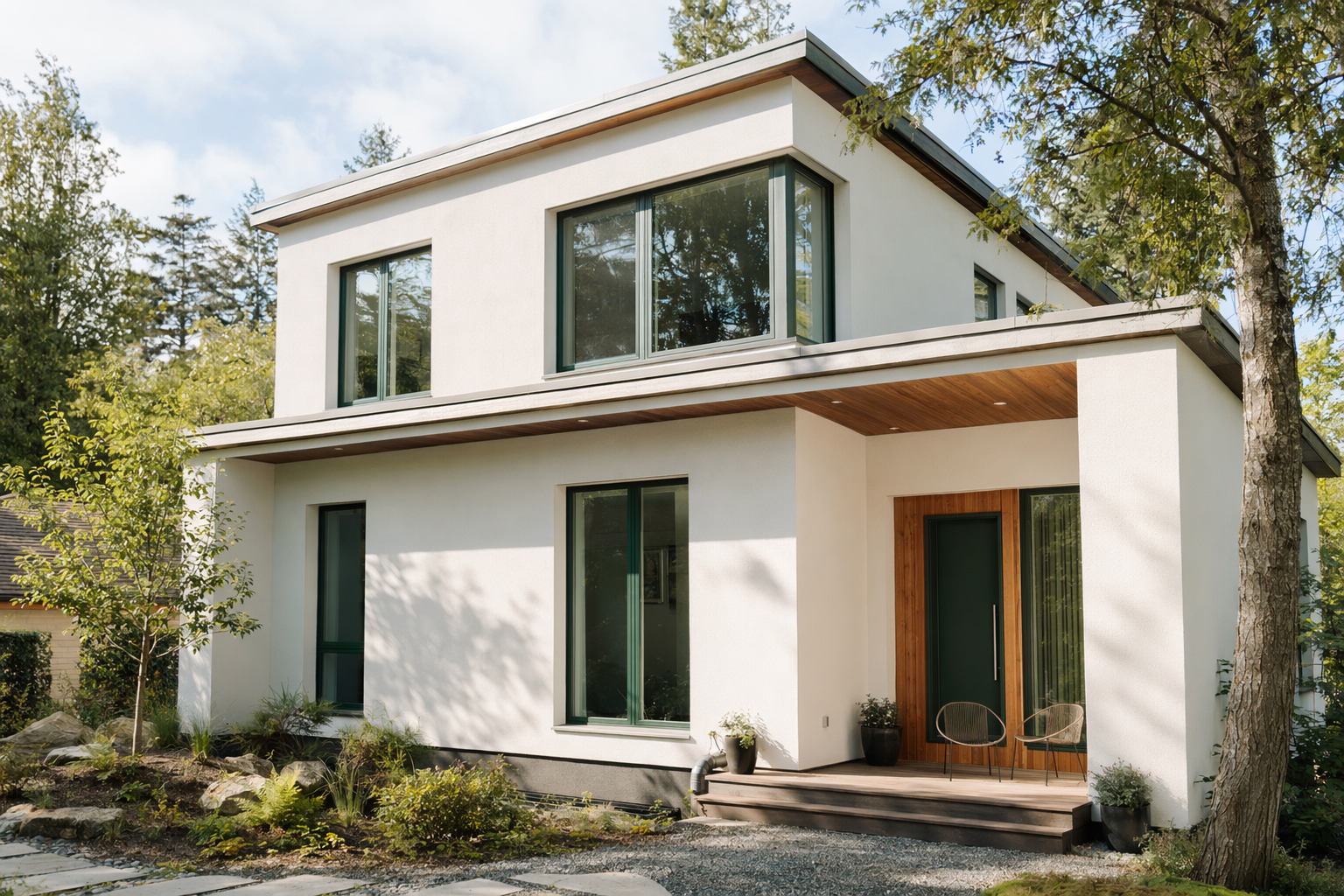
A deep retrofit can improve an older home's comfort and performance, but good results depend on good planning and careful work. Compare experienced builders, ask clear questions, and get the full scope in writing before work starts.
Common questions
What is a deep retrofit?
A deep retrofit is a major upgrade to an existing home that improves several parts of the house together. It often includes air sealing, insulation, windows or doors, HVAC, and ventilation. The goal is better overall performance, not just one new product.
Will a deep retrofit always cut my utility bills a lot?
Not always, and no one should promise that up front. Energy use depends on the home's starting condition, climate, utility rates, occupant habits, equipment choices, and how well the work is installed. Ask the builder what assumptions they are using and what can realistically be measured.
Do I need an HRV or ERV if I make my house tighter?
Maybe. As a home gets more airtight, planned ventilation becomes more important for fresh air and moisture control. Whether an HRV or ERV makes sense depends on climate, occupancy, and the home design. A qualified builder or designer should explain the reason for the choice.
Can EverGrain Built hire the builder for me?
No. EverGrain Built is a free matching service, not a builder or contractor. We help you compare experienced green builders near you. You choose who to contact and who to hire, and you should confirm scope, licensing, permits, and price in writing directly with the builder.