Learn
What does net-zero-ready mean?
A net-zero-ready home is designed and built so it can reach very low energy use, and it can often add enough clean power later, such as solar, to offset that use. It does not mean every net-zero-ready home is automatically net-zero. The final result depends on the design, climate, equipment, how the home is used, and the builder’s work.
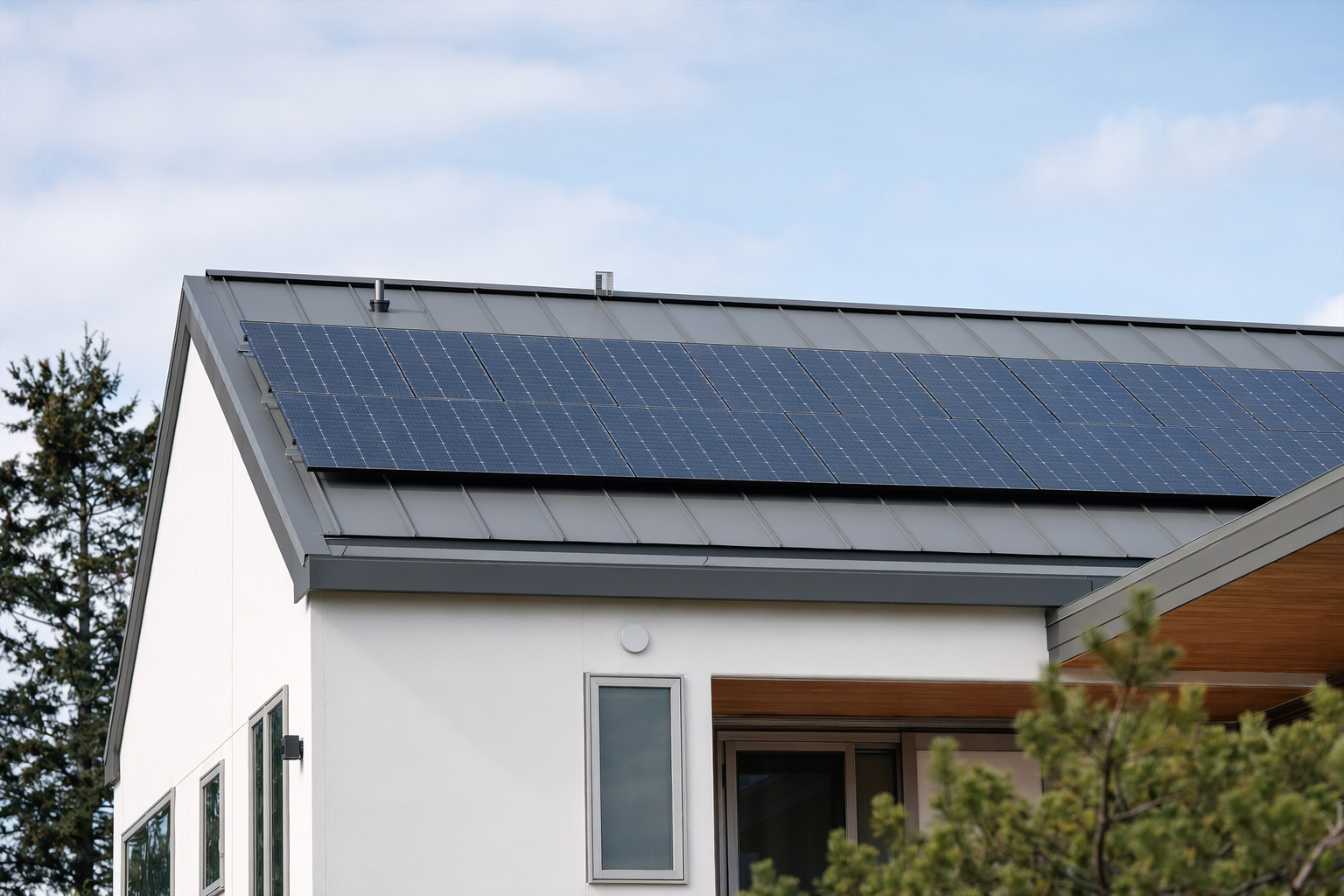
Net-zero-ready, in simple terms
A net-zero-ready home starts with a very efficient building shell and efficient systems. The goal is to lower the home's energy needs first, before adding renewable energy.
In plain language, it usually means the home is planned so that reaching net-zero later is possible or easier. That may include better insulation, tighter air sealing, good windows, balanced ventilation, and efficient heating and cooling.
A true net-zero home produces as much energy as it uses over a year, often with solar. A net-zero-ready home may not have solar yet, or it may still need some upgrades, sizing, or testing to perform as expected.
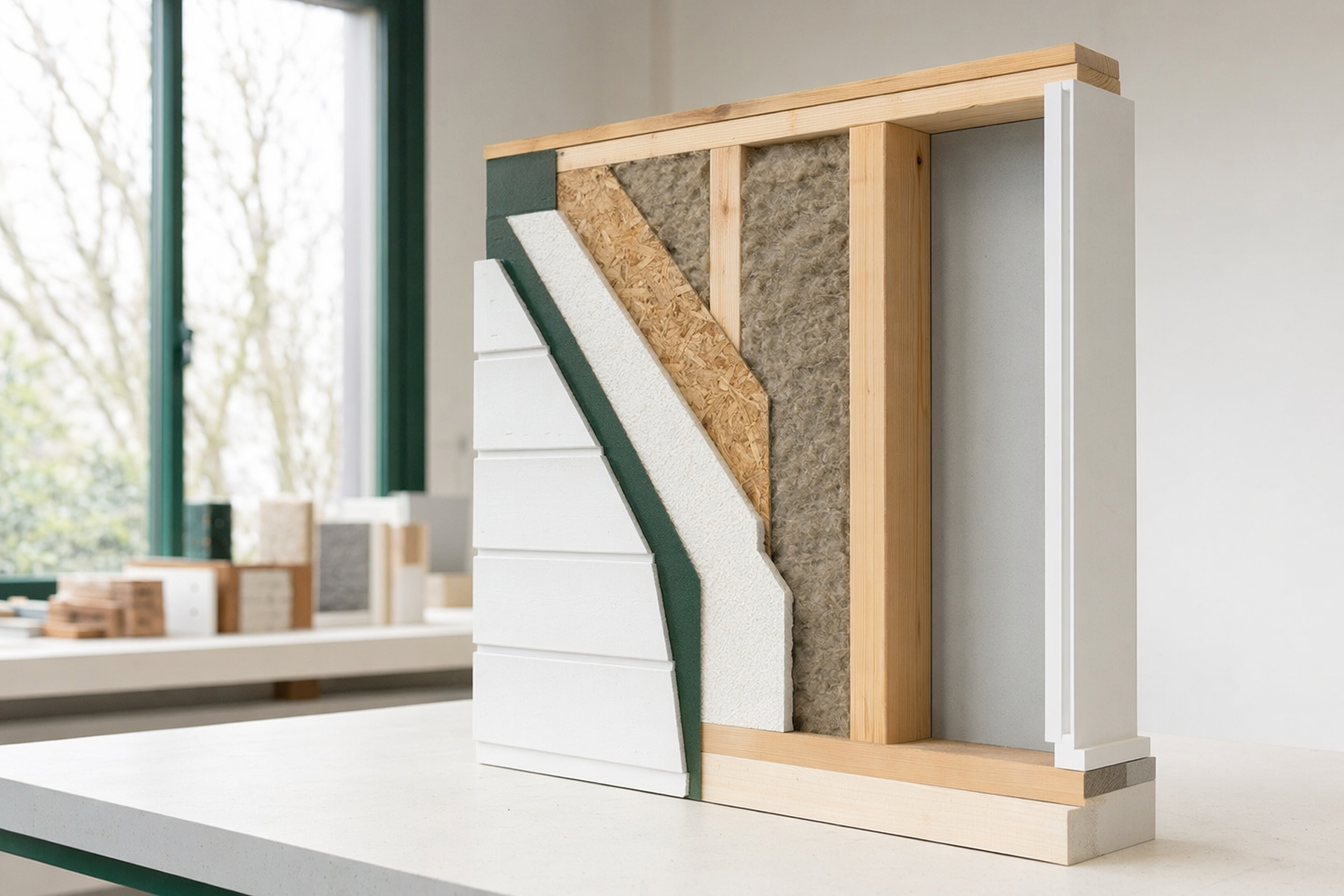
What features are common in a net-zero-ready home
There is no single checklist that fits every house in every climate. But many net-zero-ready homes include a group of proven building practices.
- More insulation in walls, roof, and sometimes under the slab or floor. Builders may talk about R-value.
- Airtight construction to reduce unwanted air leaks. Airtightness is often checked with a blower-door test and may be discussed in ACH.
- High-performance windows and doors. Builders may mention U-factor and SHGC.
- Balanced fresh-air ventilation, often with an HRV or ERV, so the home gets fresh air in a controlled way.
- Efficient heating and cooling, often with heat pumps.
- Careful design for sun, shade, and orientation when the lot and layout allow it.
Some homes are also planned for future solar, battery storage, or electric vehicle charging. That does not guarantee net-zero, but it can make future upgrades simpler.
What it can mean for comfort and bills
A well-built net-zero-ready home is often more even in temperature from room to room. It may also have fewer drafts and better control of fresh air. But comfort still depends on design, climate, window placement, equipment sizing, and installation quality.
Energy bills may be lower than in a standard new home, but there is no fixed savings number. Utility rates, weather, house size, thermostat settings, appliances, and your daily habits all affect the result.
If a builder makes claims about performance, ask how they measure it. Written details matter. Ask what insulation levels, window specs, airtightness target, and HVAC design they include, and what testing they will do before handoff.
Questions to ask a green builder
If you want a net-zero-ready home, ask specific questions early. Clear scope in writing helps you compare builders fairly.
- What insulation levels are included in the walls, roof, and floor or slab?
- What airtightness target do you build to, and will you do a blower-door test?
- What window U-factor and SHGC are planned for my climate and orientation?
- Will the home have an HRV or ERV, and how is it sized?
- What heating and cooling system is included, and why?
- Is the roof or electrical system planned for future solar?
- What parts of the package are required, and what parts are optional upgrades?
You can also ask for simple explanations, drawings, and product sheets. If English is not your first language, it is okay to ask the builder to slow down, define terms, and put all scope and price details in writing.
How EverGrain Built can help
EverGrain Built is a free matching and guide service. We are not a builder, architect, or contractor. We help homeowners learn the basics, compare options, and get matched with experienced green custom-home builders near them.
You stay in control. You compare builders, ask questions, and choose who to hire. Always confirm scope, testing, timeline, and price in writing with a licensed builder.
If you want help finding builders who understand energy-efficient and high-performance homes, start here: get matched. You can also learn more about systems, costs, and how it works.
Net-zero-ready means the home is built to need much less energy, and it may be set up to reach net-zero later. Ask for clear written specs and testing, then compare builders carefully.
Common questions
Is net-zero-ready the same as net-zero?
No. Net-zero-ready means the home is designed to use very little energy and may be prepared for future renewable energy, such as solar. Net-zero means the home actually offsets its energy use over time. The final outcome depends on design, equipment, climate, and how the home is operated.
Does net-zero-ready mean I must install solar now?
Not always. Some net-zero-ready homes include solar from the start. Others are designed so solar can be added later more easily. Ask the builder what is included now, what is optional, and what the roof and electrical setup can support.
Will a net-zero-ready home cost more?
It can, but it depends on the house size, shape, climate, site, products, and builder. Some upgrades add upfront cost. Others may be part of a smart design approach. The best step is to compare written scopes from builders and ask what each line item includes.
How do I know the home was built the right way?
Ask what testing and verification the builder includes. A blower-door test is common for checking airtightness. You can also ask for HVAC design details, insulation specs, window specs, and startup or commissioning notes for ventilation and heating and cooling equipment.