Learn
What is an all-electric home?
An all-electric home uses electricity for the main systems in the house instead of burning gas, oil, or propane on site. That usually means electric heating, cooling, water heating, cooking, and drying, often with efficient equipment like heat pumps.
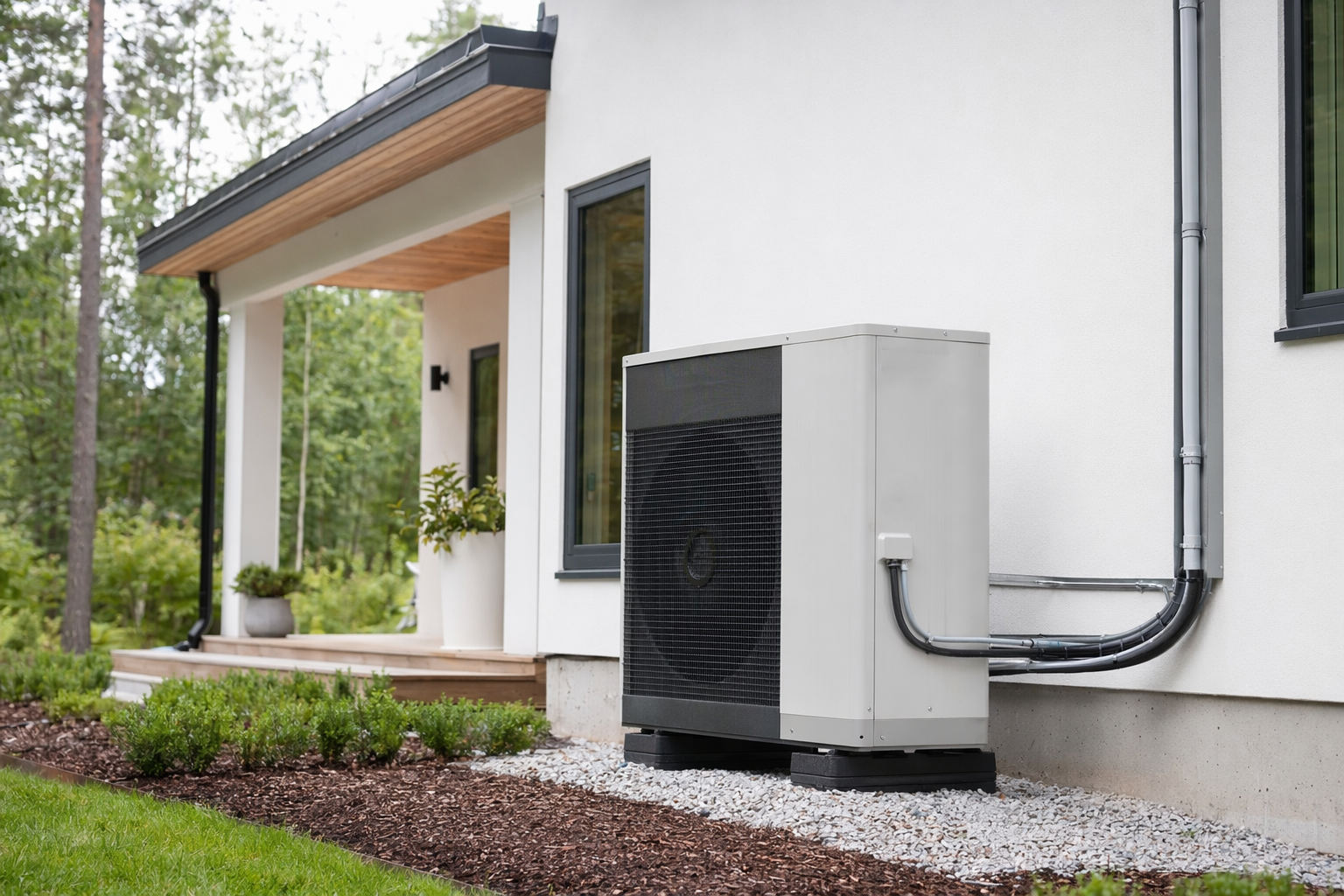
What “all-electric” means
In a standard home, some equipment may run on gas, propane, or oil. In an all-electric home, those jobs are handled by electric systems instead.
Common examples are a heat pump for heating and cooling, a heat pump water heater, an induction or electric range, and an electric dryer. Some homes also add solar later, but a home does not need solar panels to be called all-electric.
This is different from net-zero. Net-zero usually means the home produces as much energy as it uses over time. An all-electric home simply means it does not burn fuel on site for the main household systems.
What systems are usually electric
A typical all-electric home may include:
- Space heating and cooling: air-source heat pump, mini-split, or ground-source system
- Water heating: heat pump water heater or electric tank/tankless unit
- Cooking: induction cooktop, electric range, or wall oven
- Drying clothes: electric dryer or heat pump dryer
- Ventilation: HRV or ERV for fresh air in a tighter home
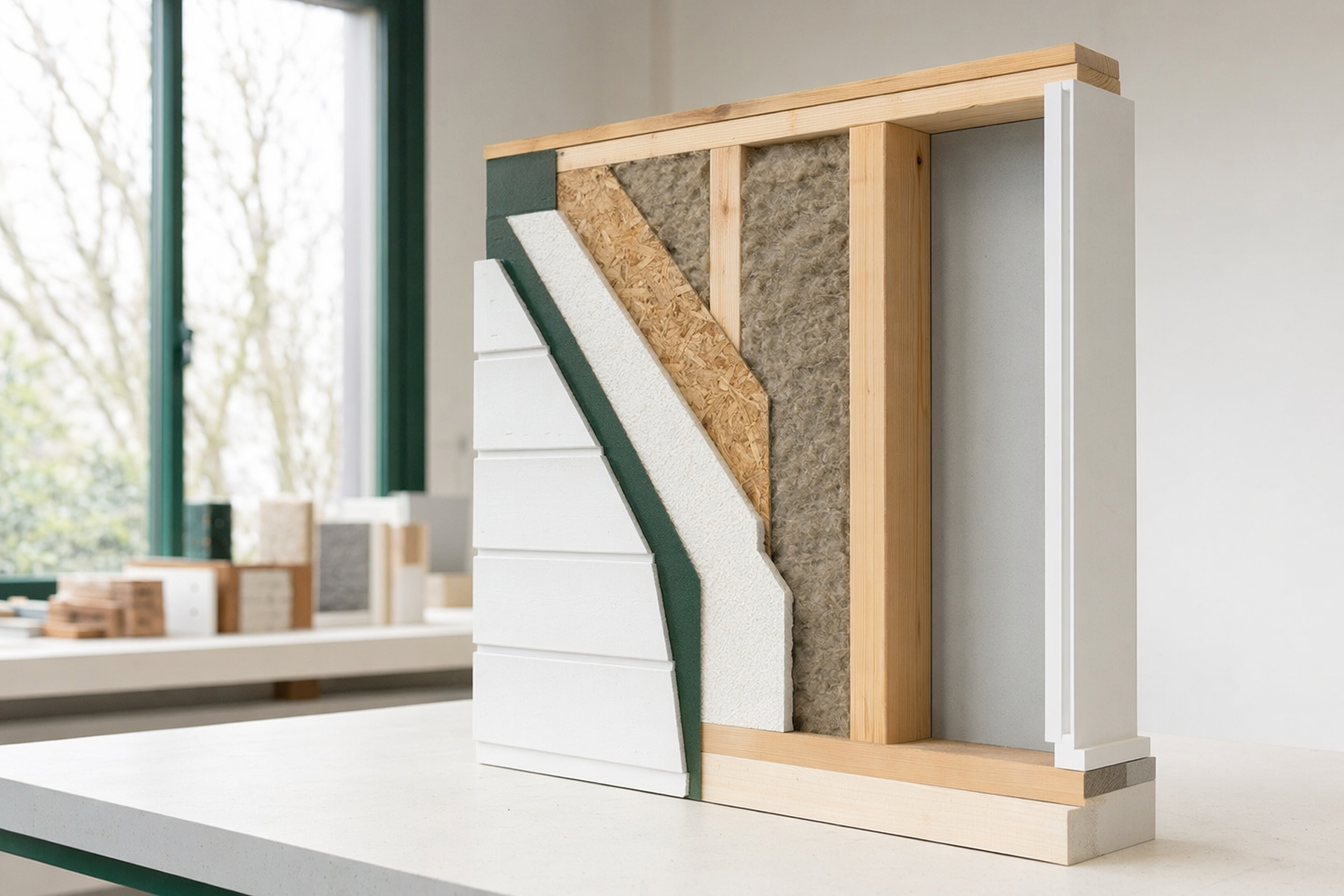
Many green builders pair these systems with a better building shell. That can include stronger insulation, lower U-factor windows, air sealing, and a blower-door test to check airtightness in ACH.
The goal is not just to switch fuels. It is to build a home where the electric systems can work well because the home is designed well too.
Why some homeowners choose all-electric
Many homeowners look at all-electric homes because they want a simpler set of systems and want to avoid bringing gas or propane into the house. Others are interested in pairing electric equipment with solar in the future.
Comfort can also be part of the conversation. A well-designed home with good insulation, low air leakage, and balanced ventilation may feel more even from room to room. But results vary by climate, design, equipment, and installation quality.
Bills can go up or down depending on local electric rates, weather, the home's size, the efficiency of the equipment, and how the home is built. That is why it helps to ask a builder to explain the expected system design for your home, in writing, before you hire anyone.
Questions to ask a builder
If you are thinking about an all-electric home, ask direct questions early. A good green builder should be able to explain the plan in plain language.
- What heating and cooling system will you use, and why is it a fit for my climate?
- What insulation levels and air sealing goals are planned?
- Will you test the home with a blower-door test? What airtightness target in ACH are you aiming for?
- What windows are planned, and what are the U-factor and SHGC?
- Will the home include an HRV or ERV for fresh air?
- What type of water heater, cooktop, and dryer do you recommend?
- What is included in the price, and what is an upgrade?
You can also ask how the builder handles load calculations, duct design, humidity control, and future solar or battery readiness. If you want help finding builders who already work with these ideas, use our free matching service.
What EverGrain Built does, and does not do
EverGrain Built is a free matching and guide service. We help homeowners learn the basics, compare options, and get matched with experienced green custom-home builders near them.
We are not the builder, architect, or contractor. You compare and choose who to hire. Always confirm the full scope, equipment, timeline, and price in writing with a licensed builder.
If you are early in the process, you may also want to read more about systems, browse other guides in Learn, or see how it works. When you are ready, you can get matched for free.

An all-electric home uses electricity, not gas or oil, for the main home systems. The best results usually come from good design, good insulation, careful air sealing, and the right builder.
Common questions
Does an all-electric home need solar panels?
No. A home can be all-electric without solar. All-electric means the home uses electricity for the main systems instead of gas, oil, or propane on site.
Is an all-electric home the same as a passive house?
No. Passive house is a specific high-performance building approach that focuses on insulation, airtightness, windows, ventilation, and careful design. An all-electric home may be high-performance, but it is not automatically passive house.
Will an all-electric home lower my utility bills?
Maybe, but not always. Utility costs depend on local rates, climate, the home's size, insulation, airtightness, equipment efficiency, and how the systems are installed and used. Ask the builder to explain assumptions for your project.
Can I cook well with electric instead of gas?
Many homeowners like induction because it heats quickly and gives good control. Standard electric ranges are also common. The best choice depends on your cooking style, budget, and the equipment options your builder offers.