Learn
Understanding energy incentives and rebates
Energy incentives and rebates can help lower the upfront cost of some home upgrades and high-performance building choices. The details can be confusing, so it helps to know what programs exist, what rules apply, and what to ask a builder before you count on any money.
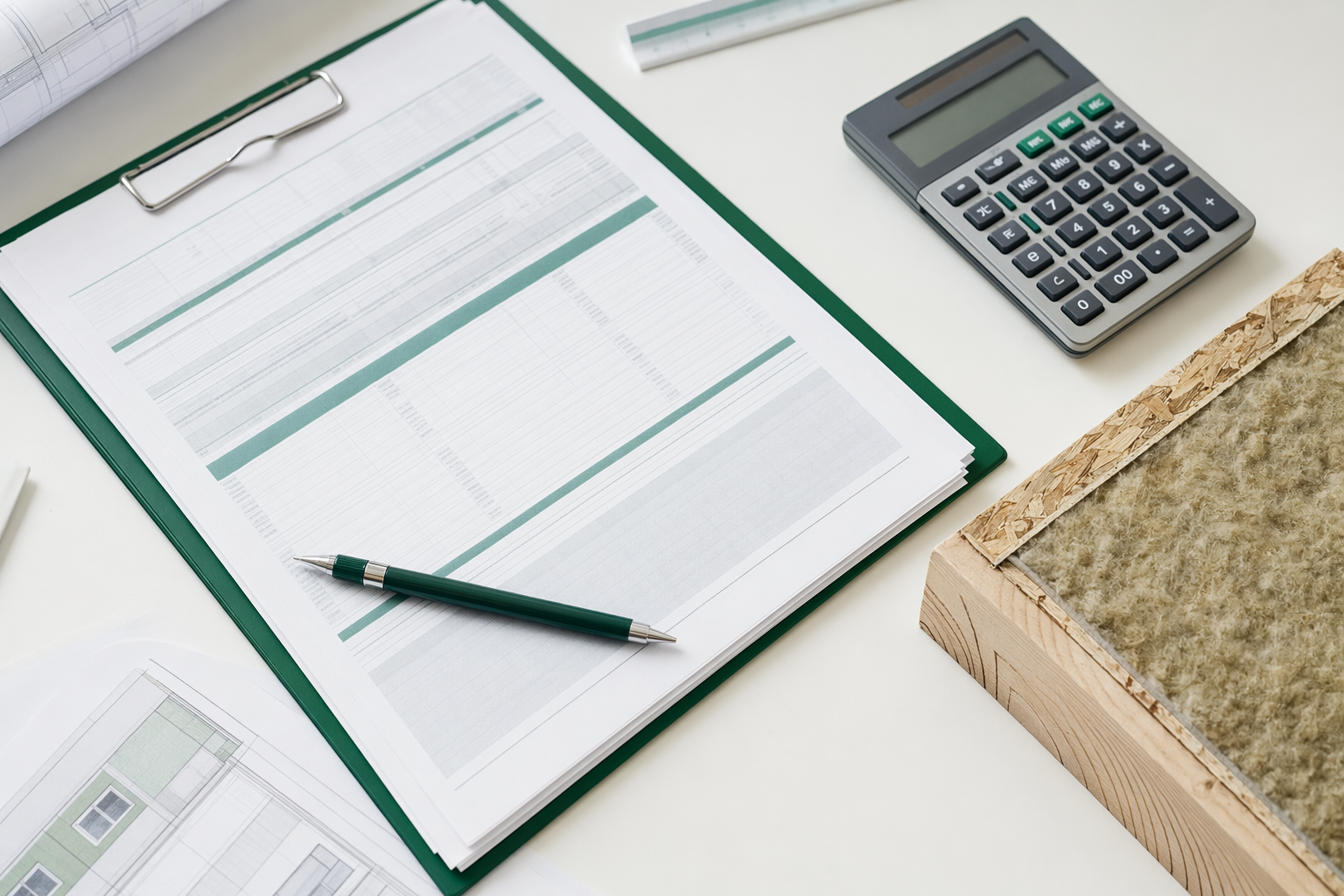
What energy incentives and rebates are
Energy incentives are programs that may help pay for certain energy-saving or low-carbon home features. They can come from the federal government, your state, your city, your utility company, or sometimes a local program.
These offers are not all the same. Some are tax credits, which may reduce the taxes you owe if you qualify. Some are rebates, which may give money back after you buy and install approved equipment. Others may be low-interest financing or special utility programs.
For a new custom home, incentives may apply to items like heat pumps, water heaters, insulation, windows, solar panels, batteries, EV charging, or other efficiency measures. What is available depends on your location, your income, the type of home, and the exact products and installation methods used.
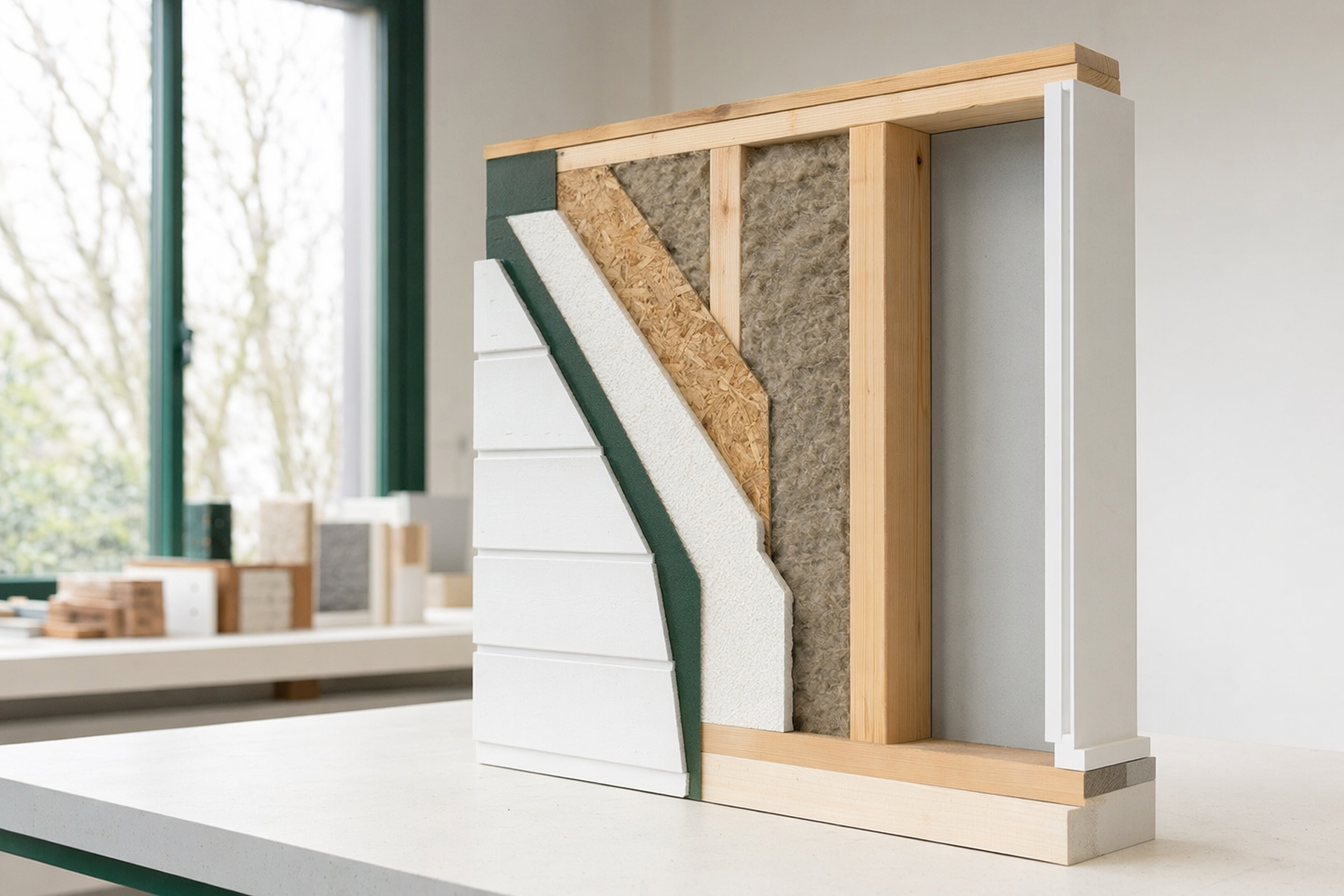
Why incentives matter for a green or passive home
If you are planning a green, energy-efficient, or passive-style home, incentives may affect your budget choices. They can sometimes make it easier to choose better windows, more insulation, improved airtightness, all-electric equipment, or a more efficient HVAC system.
Still, incentives should not be the only reason to choose a feature. A well-designed home starts with the basics. Good insulation, careful air sealing, lower window U-factor, climate-appropriate SHGC, and the right ventilation system such as an HRV or ERV matter whether a rebate exists or not.
A good builder can help you look at the whole house, not just one product. If you want help finding builders who understand these choices, EverGrain Built is a free matching service. You compare builders and decide who to hire.
Common types of incentives homeowners may see
Programs vary, but many homeowners see incentives tied to a few common categories:
- Tax credits for eligible efficiency upgrades or clean-energy equipment.
- Utility rebates for approved heating, cooling, water heating, or insulation work.
- State or local rebates for specific products, all-electric homes, or income-qualified households.
- Solar or battery incentives in some areas.
- Financing programs that may spread out upfront costs.
Some programs are based on the equipment itself. Others depend on performance targets, testing, or contractor requirements. For example, a program may require a blower-door test, a minimum efficiency rating, or proof that a licensed installer did the work.
For deeper background on building systems, see systems and more articles in learn.
What to check before you rely on a rebate
It is smart to verify every program early. Incentive rules can change. Funding can run out. Paperwork deadlines can be strict.
- Ask whether the program is for new construction, a renovation, or either one.
- Check whether your builder or installer must use approved products or be in a specific network.
- Confirm if the incentive is a tax credit, a rebate, or something else.
- Ask what tests or documents are required, such as model numbers, invoices, permits, or blower-door results.
- Find out who submits the paperwork, and when.
Most important, do not assume an incentive will cover a certain amount. Ask for the scope, product specifications, and price in writing from a licensed builder. Then confirm the program details yourself with the agency, utility, tax professional, or official program source.
How to talk to a builder about incentives
Bring up incentives at the start, not at the end. A builder who works on green homes may know which local programs often come up, but you still want to confirm details in writing.
You can ask:
- Which parts of this home may qualify for incentives in my area?
- Do you build to any performance targets, such as better airtightness ACH levels or tested duct leakage limits?
- Will this design include equipment commonly tied to rebates, such as heat pumps or high-efficiency water heating?
- Who handles applications, testing, and paperwork?
- Can you list the exact products and model numbers in the proposal?
If you are comparing options, our how it works page explains the process. EverGrain Built is not a builder or contractor. We are a free guide and matching service that helps you find experienced green custom-home builders so you can compare and choose.

Incentives can help, but the rules are different in every place. Verify the details early, get the scope and price in writing, and choose a licensed builder based on the full plan, not just a rebate.
Common questions
Can I count on incentives to make a green home affordable?
It is better to treat incentives as possible help, not guaranteed money. Programs can change, have income rules, require approved products, or run out of funds. Ask your builder for written specs and pricing, then confirm the current program details yourself.
Are there incentives for passive homes?
Sometimes, but many programs focus on specific parts of the home rather than the word "passive" itself. A home designed with strong insulation, low air leakage, good windows, balanced ventilation, and efficient equipment may include items that qualify, depending on local rules and the final design.
Who files the rebate or tax credit paperwork?
It depends on the program. Sometimes the homeowner files. Sometimes the installer, rater, or utility contractor submits part of the paperwork. Ask this question early, and make sure responsibilities are clear in writing before construction starts.
Should I choose equipment only because it has a rebate?
Not by itself. The right choice depends on your climate, home design, site, and how the full system works together. A rebate can be helpful, but it should support a good plan, not replace one.