Learn
What the timeline of a passive build looks like
A passive house build usually takes more planning up front than a standard custom home. The extra time is often spent on design, details, and product choices so the home can be very airtight, well insulated, and ready for efficient heating and cooling.
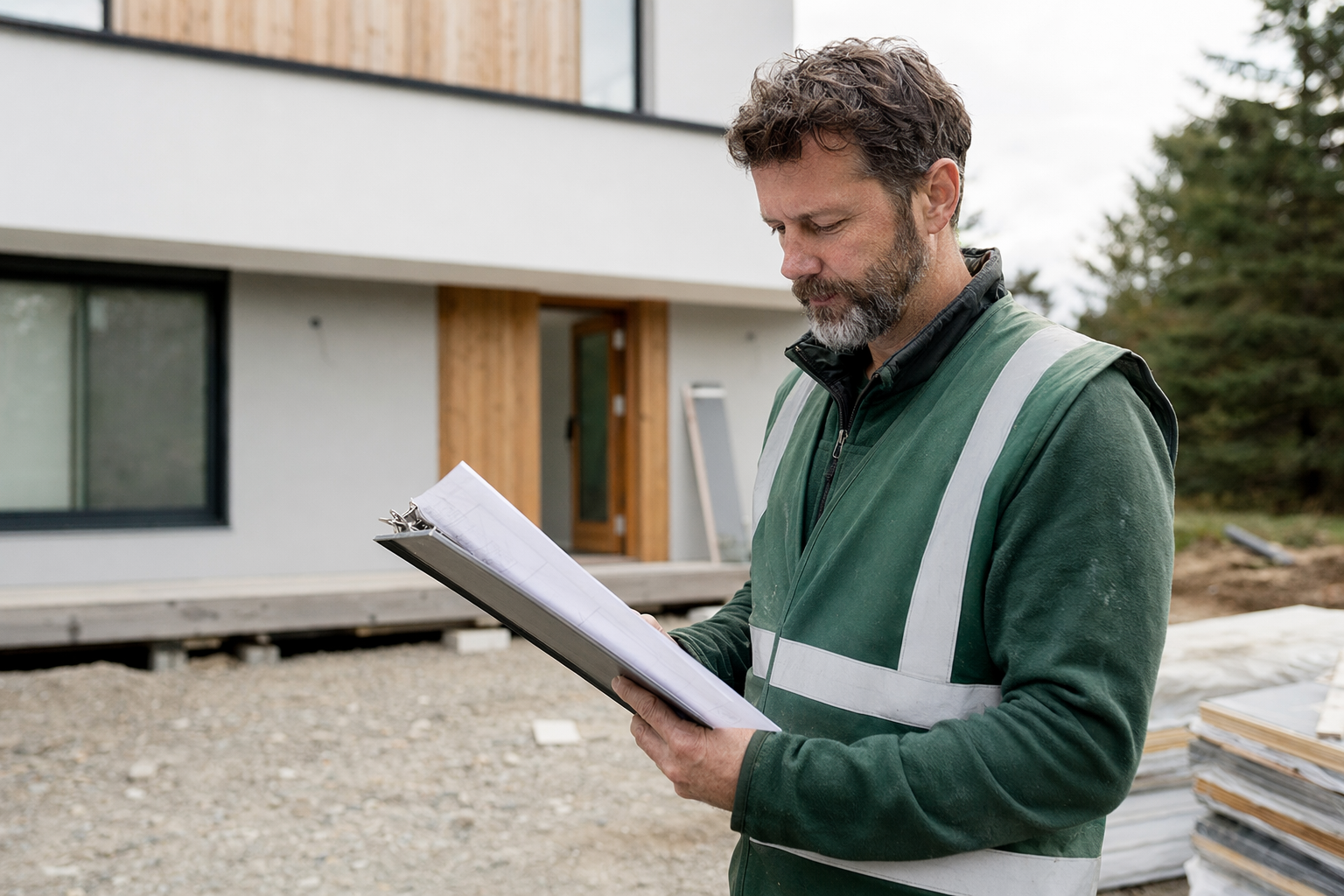
Why the timeline can feel different
A passive build is not always slower overall, but the work often shifts earlier. More decisions happen before construction starts.
That early work matters. The team may review insulation levels, window U-factor and SHGC, airtightness targets such as ACH, ventilation with an HRV or ERV, and how the home will be heated and cooled, often with a heat pump.
This can help reduce surprises later. But every project is different. Your site, local code, weather, permits, products, and builder experience all affect the schedule.
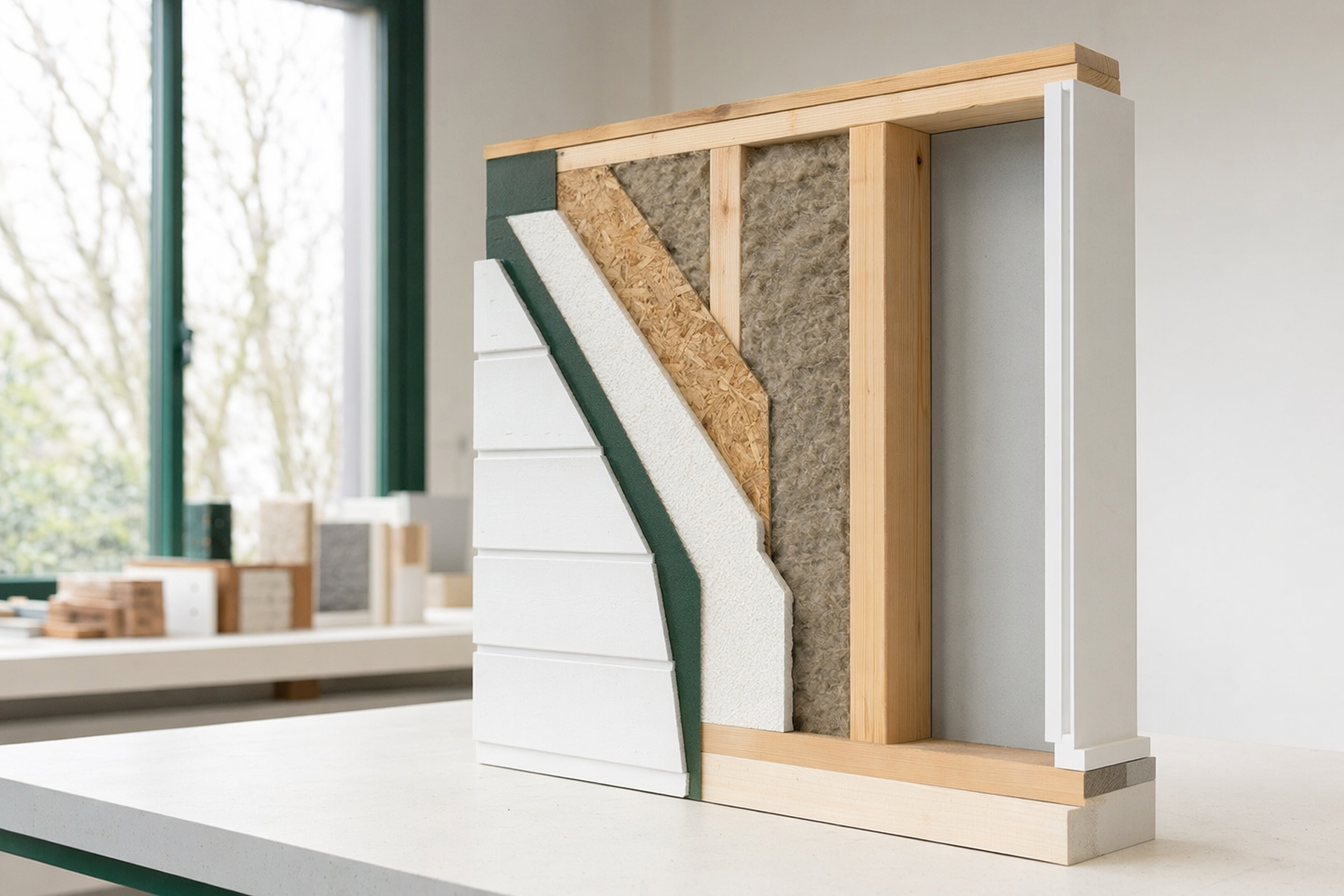
Phase 1: planning, design, and builder selection
This phase often takes the most focus. You define your goals, budget range, lot conditions, layout, and how far you want to go with green or passive features.
A designer and builder may work through key questions early:
- How much insulation is practical for your climate and budget?
- What airtightness goal makes sense, and how will it be tested with a blower-door test?
- Which windows fit the design and performance target?
- Will the home use an HRV or ERV, and where will ducts go?
- Is net-zero or solar-ready part of the plan?
If you are still comparing builders, this is a good time to use a free guide service like get matched. EverGrain Built is not a builder. We help you compare experienced green custom-home builders near you, then you choose who to hire.
Phase 2: drawings, engineering, pricing, and permits
After the main design is set, the team turns ideas into buildable documents. That can include architectural drawings, structural engineering, energy modeling if used, and product selections.
This is also when pricing becomes more detailed. Ask each builder to confirm scope, allowances, exclusions, and change-order rules in writing. Passive details can affect labor and materials, so clear documents matter.
Permits can take days in one area and much longer in another. Reviews by the city or county, HOA rules, utility approvals, and septic or well permits can all change the timeline.
Phase 3: construction and testing
Construction follows the usual path of site work, foundation, framing, rough-ins, insulation, air sealing, drywall, finishes, and final systems startup. The difference is that passive projects usually pay closer attention to the building shell and mechanical details.
For example, the builder may schedule air-sealing checks before walls are closed. A blower-door test may happen during construction and again near the end. If results are off target, the team may need extra time to find and seal leaks.
Windows and doors also matter here. Installation details, flashing, and air sealing need to match the design. Ventilation equipment such as an HRV or ERV should be installed and balanced correctly.
You can learn more about home equipment at systems and broader topics in learn.
Phase 4: final walkthrough, move-in, and tuning
A passive home is not done the minute the keys change hands. The final stage includes inspections, punch-list items, and learning how your systems work.
Ask the builder to show you:
1. How to run the heat pump and thermostat.
2. How the HRV or ERV works, and when filters need service.
3. Where the air and water shutoffs are.
4. What maintenance the windows, filters, and exterior need.
Some homes need small adjustments after move-in. Airflow balancing, humidity settings, and comfort preferences may need fine-tuning. That does not mean something is wrong. It means high-performance homes work best when the systems are set up and used as intended.
If you are comparing costs and planning choices, visit costs or see how it works to understand how EverGrain Built helps homeowners compare builders.
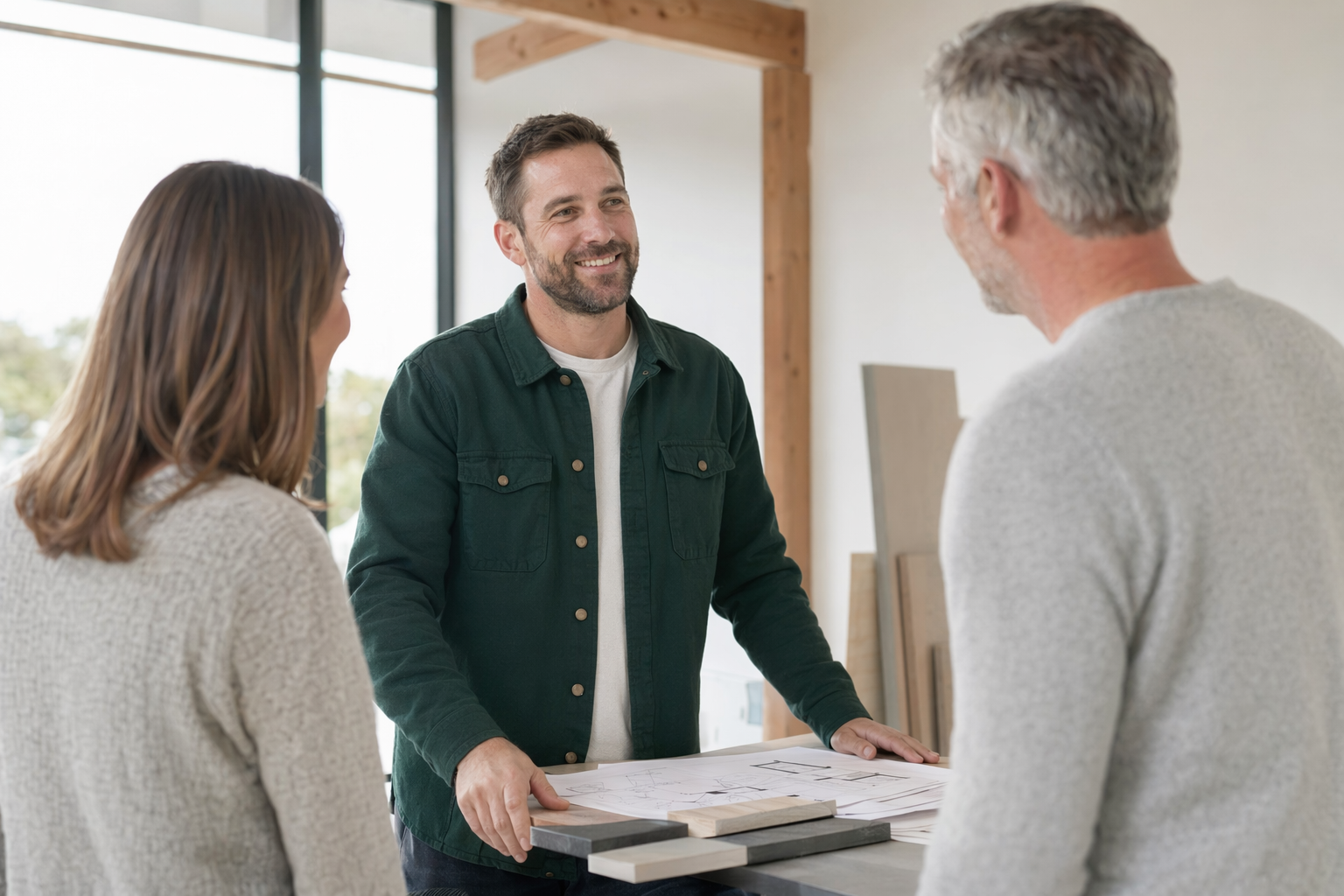
A passive build often spends more time on planning so construction can go more smoothly. The best next step is to compare experienced green builders early and get the timeline, scope, and price in writing.
Common questions
How long does a passive house build usually take?
There is no single timeline. Some projects take about the same time as other custom homes, while others take longer because of design work, permits, product lead times, or builder availability. The safest approach is to ask each builder for a written schedule with milestones and what could change it.
Does passive building always cost more and take longer?
Not always, but it can. The design phase is often more detailed, and some materials or details may add time or cost. The final result depends on your climate, home size, site, goals, and the builder you hire. Ask for the scope and price in writing so you can compare clearly.
What parts of the project most often cause delays?
Common delays include permit reviews, weather, financing, labor availability, utility work, long-lead windows or equipment, and changes made after construction starts. On passive projects, air-sealing details, window coordination, and ventilation setup also need close attention.
Should I find the builder before the design is finished?
Often, yes. An experienced green builder can give input on budget, buildability, and local product options early. That can help avoid redraws later. EverGrain Built is a free matching service that helps you compare builders, but you choose who to hire and should confirm scope, schedule, and licensing directly with that builder.