Learn
Paying for an energy-efficient home
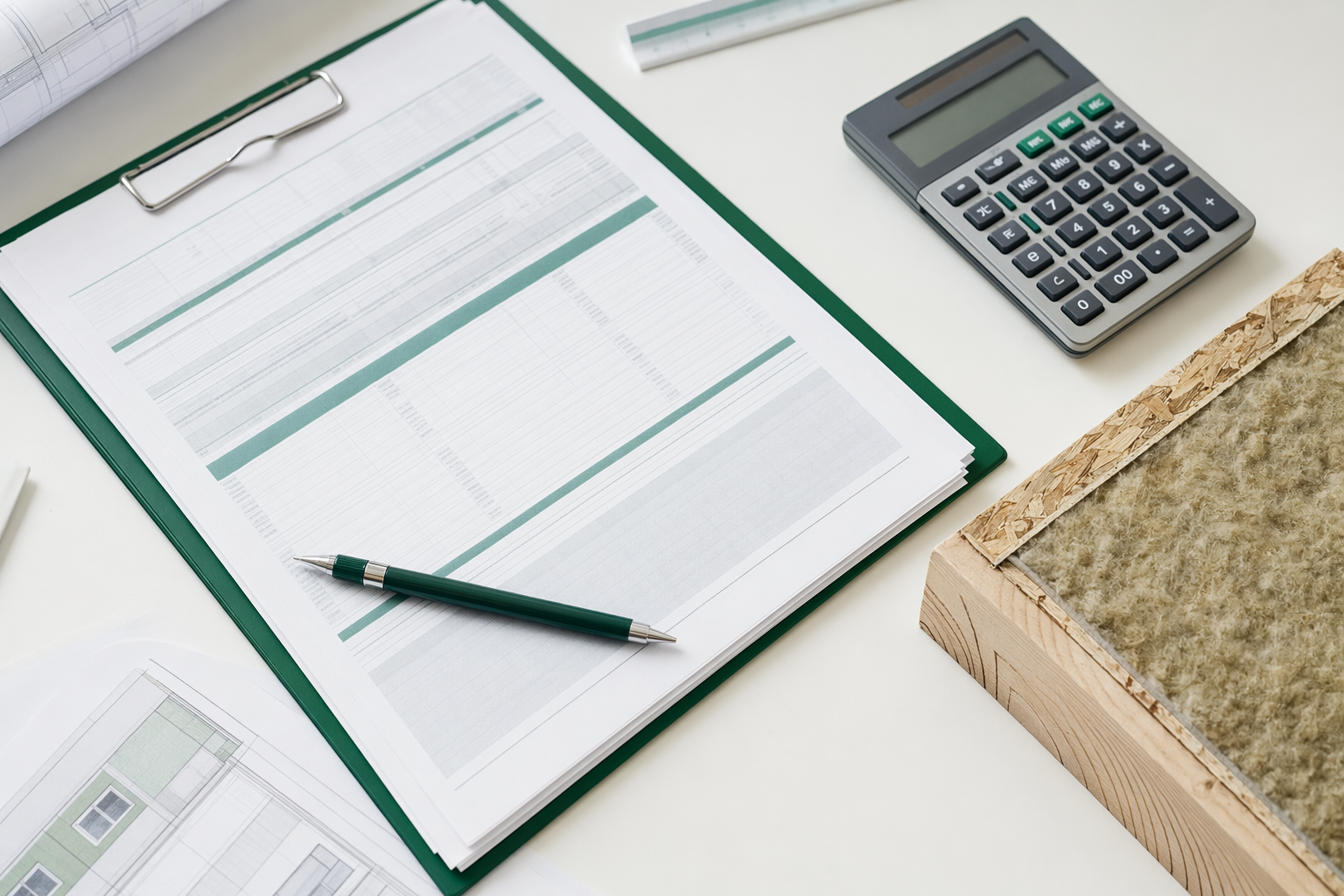
An energy-efficient home can cost more up front, but the extra cost is not the same for every project. The final number depends on your design, climate, site, materials, and the builder you hire. Good planning can help you spend money where it matters most and avoid paying for upgrades that do not fit your goals.
Why the price can be higher at first
A greener home often includes better insulation, better windows, careful air sealing, and more efficient heating and cooling equipment. Some homes also add solar, battery storage, or all-electric appliances. These choices can raise the initial price.
But not every energy upgrade adds cost in the same way. A simple shape, smaller home size, and thoughtful design can help control the budget. In some cases, spending more on the building shell may let you choose smaller mechanical systems.
The best approach is to set clear goals early. Decide whether you want a home that is simply efficient, very low energy, all-electric, or close to net-zero. Then ask each builder to show what is included in writing.
Think in total cost, not just sticker price
The cheapest bid is not always the best long-term value. A home with stronger insulation, lower air leakage, and efficient equipment may use less energy over time, but savings vary. They depend on weather, utility rates, maintenance, and how you live in the home.
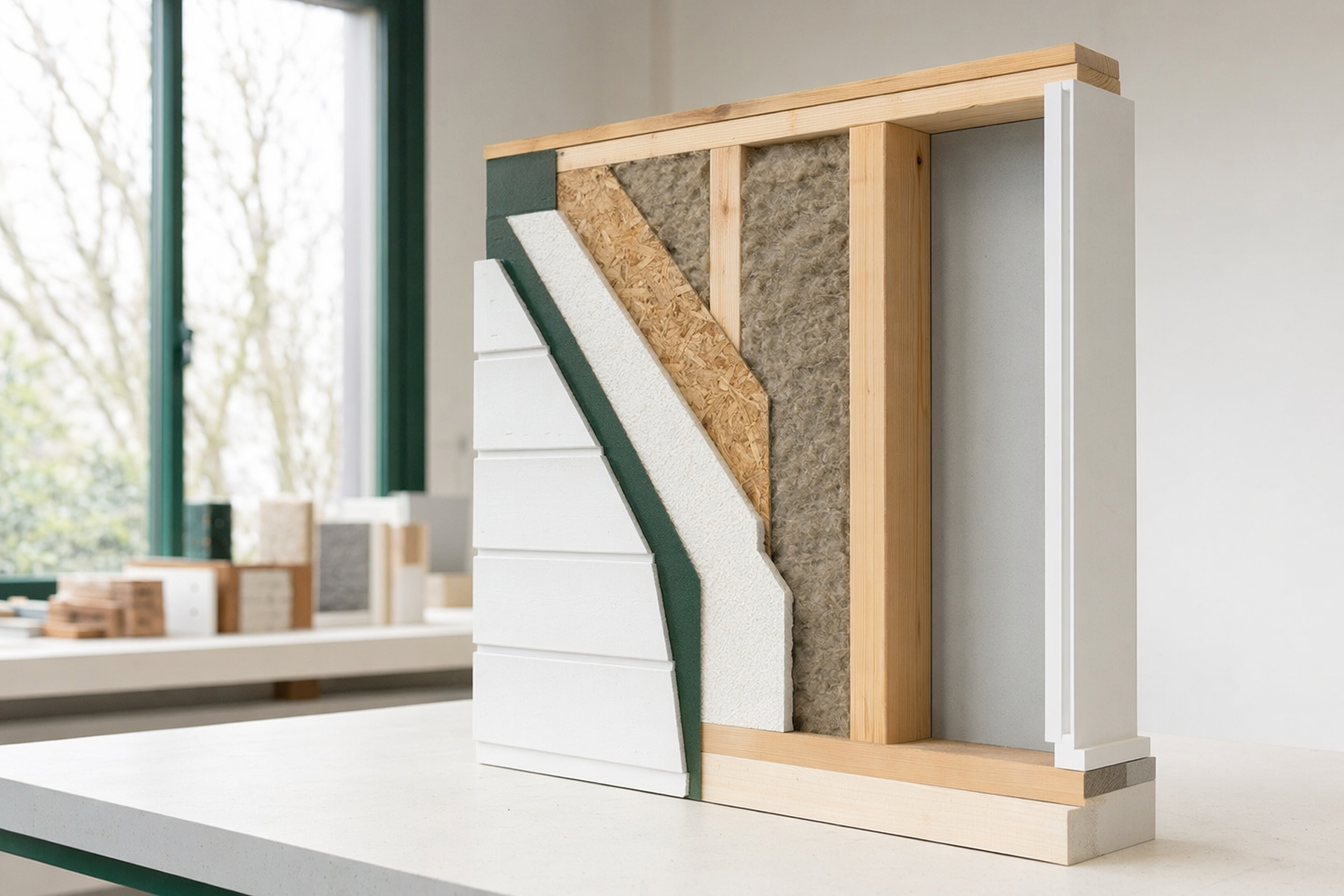
Ask builders to explain the parts of the home that affect performance, such as:
- Insulation levels, like wall and roof R-value
- Airtightness target, often measured with a blower-door test in ACH
- Window performance, including U-factor and SHGC
- Heating and cooling type, such as a heat pump
- Fresh-air system, such as an HRV or ERV
These details help you compare homes more fairly. If one bid costs more, check whether it includes better windows, more insulation, verified air sealing, or higher-quality systems. You can learn more about common parts and terms on /systems/.
Ways to lower the up-front cost
Many homeowners use a mix of financing, incentives, and phased decisions. What is available depends on where you live, your income, your utility, and the products you choose.
You may want to ask about:
- Mortgage options that account for energy features
- Utility rebates for heat pumps, water heaters, insulation, or air sealing
- Federal, state, or local tax credits and incentive programs
- Builder options that let you price good, better, and best packages
Programs change often. Rules, deadlines, and eligible equipment can also change. Before you sign, confirm the current terms yourself and ask your builder and tax professional how any incentive applies to your project.
If your budget is tight, focus first on the parts that are hard to change later, like the shell, windows, and duct layout. Some finish items or add-ons can wait.
How to compare bids from green builders
A low bid can hide missing work. A high bid can include upgrades that another builder left out. That is why you should compare scope, not just the total price.
Ask each builder for a written breakdown that covers the enclosure, windows, HVAC, ventilation, water heating, appliances, and testing. If you want a high-performance home, ask whether the builder includes air sealing details, blower-door testing, duct testing if needed, and a commissioning process for equipment.
It also helps to ask the same questions to every builder. For example: What airtightness level are you targeting. What insulation levels are included. Are the windows specified by U-factor and SHGC. Is balanced ventilation included. This makes apples-to-apples comparison easier.
EverGrain Built is a free matching service. We help you learn what to ask and connect with experienced green custom-home builders near you. You compare your options and choose who to hire. Start here: /get-matched/.
Plan for value, comfort, and future flexibility
Energy-efficient building is not only about utility bills. Many homeowners also care about indoor air quality, even temperatures, lower noise, and fewer drafts. Those results depend on good design, good installation, and good testing. They are not automatic.
Try to match your spending to your real priorities. If you plan to stay in the home for many years, you may care more about durability, comfort, and future energy prices. If you may sell sooner, you may focus on practical upgrades that buyers understand, like heat pumps, better windows, and a well-insulated attic.
Keep your future options open where possible. For example, you might wire for an electric vehicle charger, plan roof space for future solar, or choose an all-electric layout that can work with a net-zero goal later. More planning help is available in /learn/ and /how-it-works/.

A greener home may cost more at the start, but careful design and smart choices can improve long-term value. Compare builders by written scope and performance details, not just the lowest price.
Common questions
Does an energy-efficient home always cost a lot more?
No. The extra cost can be small or large, depending on the design, size, climate, site conditions, and what features you choose. A compact design and smart planning can help reduce the premium. Ask for written options so you can see what each upgrade adds.
Will I save enough on energy bills to pay back the extra cost?
Maybe, but there is no single answer. Energy use and savings vary by weather, rates, equipment, maintenance, and how you operate the home. It is better to ask for realistic performance details and compare the long-term value, not assume a set payback.
What upgrades should I do first if my budget is limited?
Many homeowners start with the building shell and core systems. That can mean air sealing, insulation, windows, good HVAC design, and balanced ventilation. These items are harder to change later than finishes or appliances.
Can EverGrain Built help me find financing or incentives?
EverGrain Built is a free matching and guide service. We can help you understand what questions to ask and connect you with green custom-home builders to compare. You should confirm current incentive rules, financing terms, scope, and price directly with your lender, program provider, and licensed builder.