Learn
Passive house vs. net-zero: what's the difference?
**Passive house** and **net-zero** are not the same thing. One focuses on using very little energy. The other focuses on balancing how much energy a home uses with how much clean energy it can produce over time.
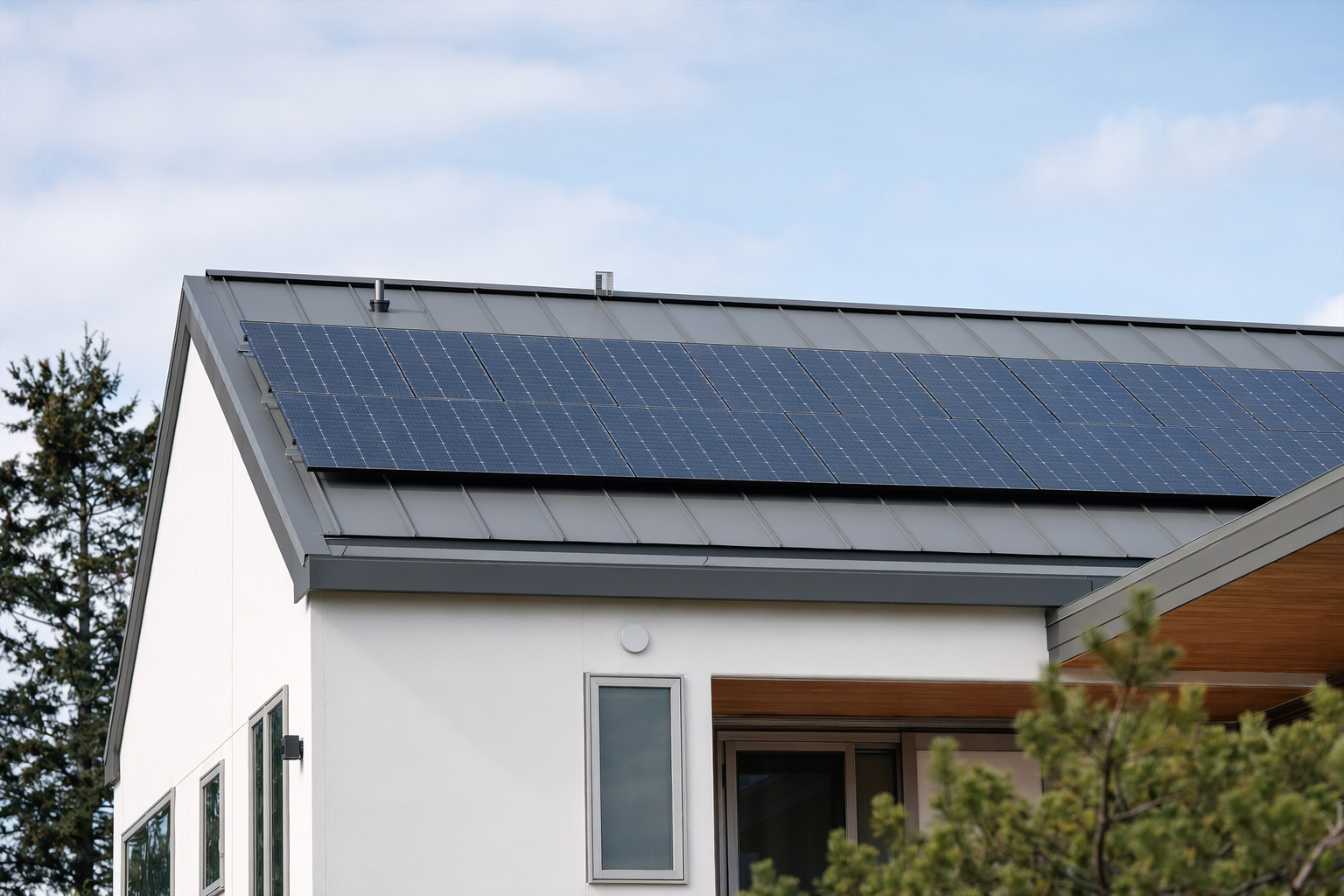
Passive house and net-zero, in simple terms
A passive house is designed to need much less heating and cooling than a typical home. It usually gets there with very good insulation, strong air sealing, careful window choices, and balanced fresh-air ventilation, often with an HRV or ERV.
A net-zero home is designed so its annual energy use can be matched by energy produced from a renewable source, most often solar. A net-zero home still needs an efficient building shell and efficient equipment, but the main idea is the overall energy balance.
So the short version is this. Passive house cuts demand first. Net-zero balances total use over time. A home can aim for one, the other, or both.
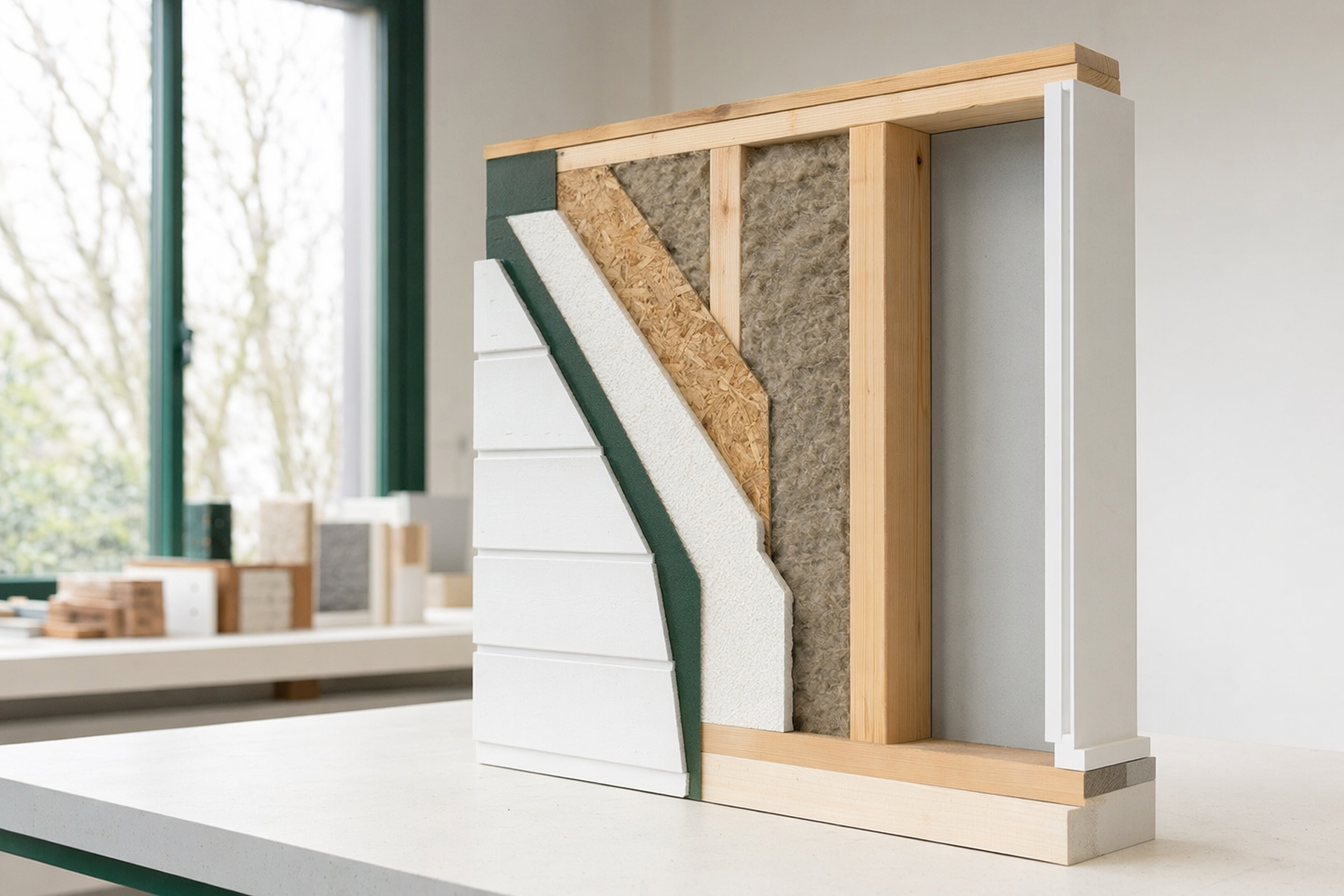
What each approach changes in your home
Passive house puts most of the attention on the building envelope. That means the parts of the home that separate indoors from outdoors. Builders may talk about higher R-values, lower window U-factor, good solar control with SHGC, reduced thermal bridging, and a low airtightness target measured with a blower-door test in ACH.
Net-zero looks at the whole energy picture. That includes the envelope, but also the heating and cooling system, water heating, lighting, appliances, and whether the roof and site work well for solar.
Common features you may hear about include:
- Better insulation and air sealing
- High-performance windows and doors
- Heat pumps for space heating, cooling, or water heating
- An HRV or ERV for fresh air in a tight home
- Solar-ready roof planning, or solar panels if they fit the project
- Lower energy loads from lighting and appliances
You can learn more about home equipment and performance basics on our systems and learn pages.
Can a home be both passive house and net-zero?
Yes. Many homeowners and builders treat them as complementary goals. A very efficient home needs less energy. That can make a net-zero target more realistic, because the home may need a smaller renewable energy system to offset its use.
But one does not automatically mean the other. A home can be passive-house-inspired without adding enough solar to reach net-zero. A home can also be called net-zero without meeting passive house certification rules.
Certification matters here. Some projects pursue a formal passive house standard. Others simply use passive-house principles. Some net-zero claims are based on energy modeling, and some are based on actual utility performance after move-in. Ask what standard is being used, who is verifying it, and what is included in writing.
Which one should you ask a builder about?
Start with your goals. Do you care most about lower energy use, better temperature consistency, quieter rooms, cleaner filtered fresh air, reducing fossil fuel use, or preparing for solar later? Your answers help a builder suggest the right mix of envelope upgrades and mechanical systems.
Good questions to ask are:
1. What airtightness target do you build to, and do you verify it with a blower-door test?
2. What wall, roof, and slab insulation levels do you recommend for my climate?
3. What window U-factor and SHGC make sense for this site and orientation?
4. Do you install HRVs or ERVs in tighter homes?
5. Can you design the home to be all-electric with heat pumps?
6. If I want net-zero later, is the roof suitable and can the home be solar-ready?
If you want help finding builders who understand these topics, use our free get matched service. EverGrain Built is not a builder. We help you compare experienced green custom-home builders, then you choose who to hire and confirm scope and price in writing with a licensed builder.
How to compare quotes and claims
Be careful with simple labels. Terms like "passive," "high-performance," or "net-zero ready" can mean different things from one company to another. Ask each builder to explain the actual specs and testing behind the words.
When you compare proposals, ask for the same core details from each builder. For example, insulation levels, window performance, ventilation type, heating and cooling equipment, air sealing target, and whether testing is included.
Also ask what is not included. Solar panels, backup power, energy modeling, certification fees, and upgraded windows may be separate line items. Prices and results vary a lot by climate, site, design, and local labor. You can review planning and budget ideas on our costs and how it works pages.

Passive house is about using much less energy. Net-zero is about balancing a home's energy use with renewable energy over time. A home can aim for one goal or both.
Common questions
Is passive house only for cold climates?
No. Passive house ideas can be used in many climates. The details change by region. In a cold place, the design may focus more on heat loss. In a hot or humid place, shading, moisture control, window selection, and ventilation strategy become especially important.
Does net-zero mean I will have no utility bills?
Not necessarily. Net-zero is usually about annual energy balance under certain assumptions. Actual bills depend on your climate, utility rates, your equipment, how you live in the home, and whether solar performs as expected. Ask the builder what assumptions were used and get the scope in writing.
Do I need solar panels to have a passive house?
No. Passive house is mainly about reducing the home's energy demand through the envelope, airtightness, windows, and ventilation. Solar may be added, but it is not the core idea of passive house.
Which costs more, passive house or net-zero?
There is no one answer. Cost depends on the design, site, climate, local labor, equipment choices, and whether you are pursuing certification. Sometimes spending more on the envelope can reduce the size of mechanical systems, but not always. Compare detailed written proposals from licensed builders.