Learn
Green building in cold climates
Cold weather puts more stress on a home. Good green building in a cold climate is about keeping heat in, moisture under control, and fresh air coming in the right way. If you are planning a custom home, it helps to know the basics before you talk with builders.
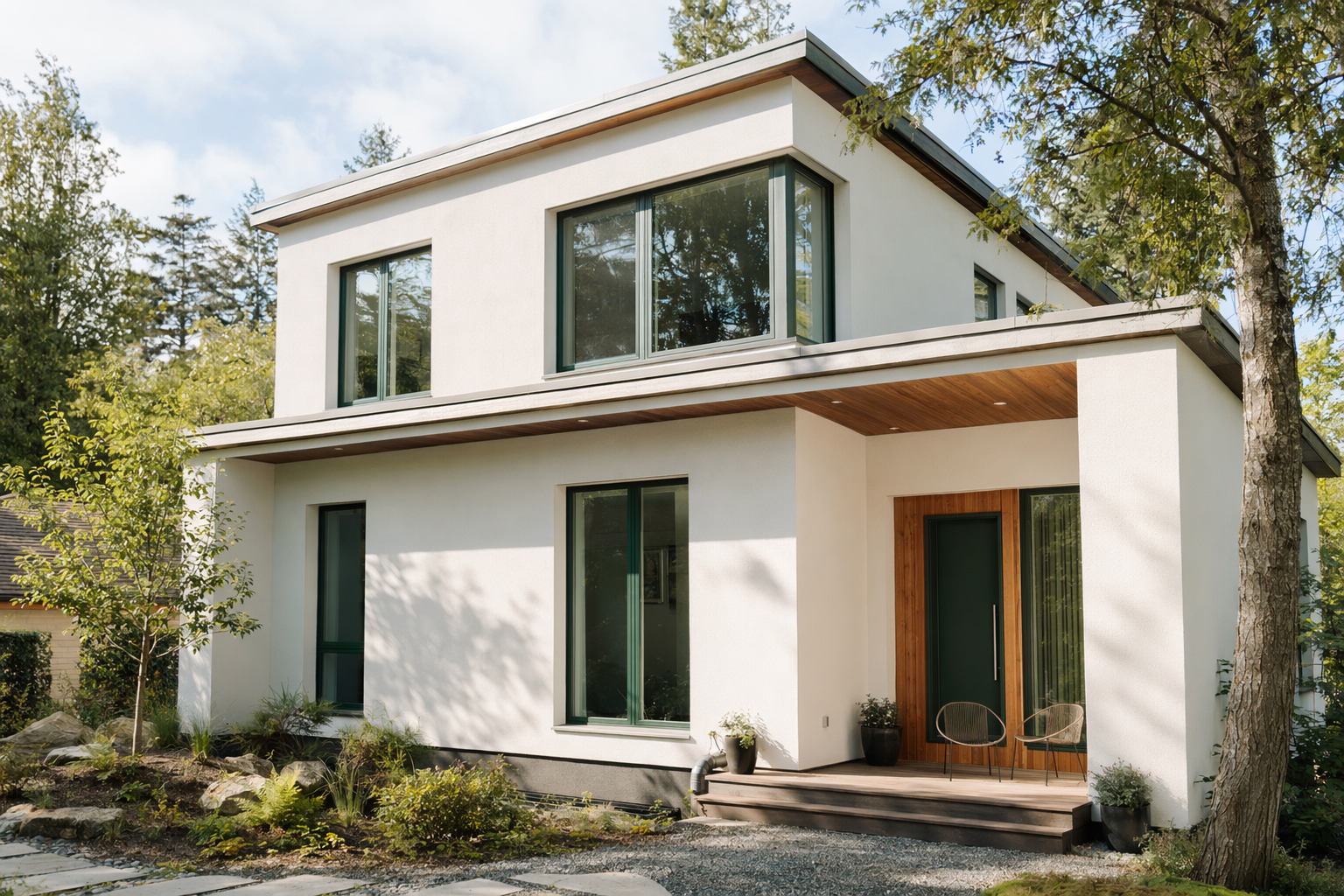
What green building means in a cold climate
A green home for a cold climate is not just a house with thick walls. It is a whole system. The insulation, air sealing, windows, heating equipment, ventilation, and water control all need to work together.
In simple terms, the goal is to reduce wasted heat, avoid drafts, and manage indoor humidity. A well-planned home can also help lower energy use, but results depend on the design, climate, site, and the builder's work.
Some owners also ask about passive house or net-zero goals. Those are specific paths with stricter targets. Not every green home is passive or net-zero, but many use some of the same ideas. You can learn more in our learn center.
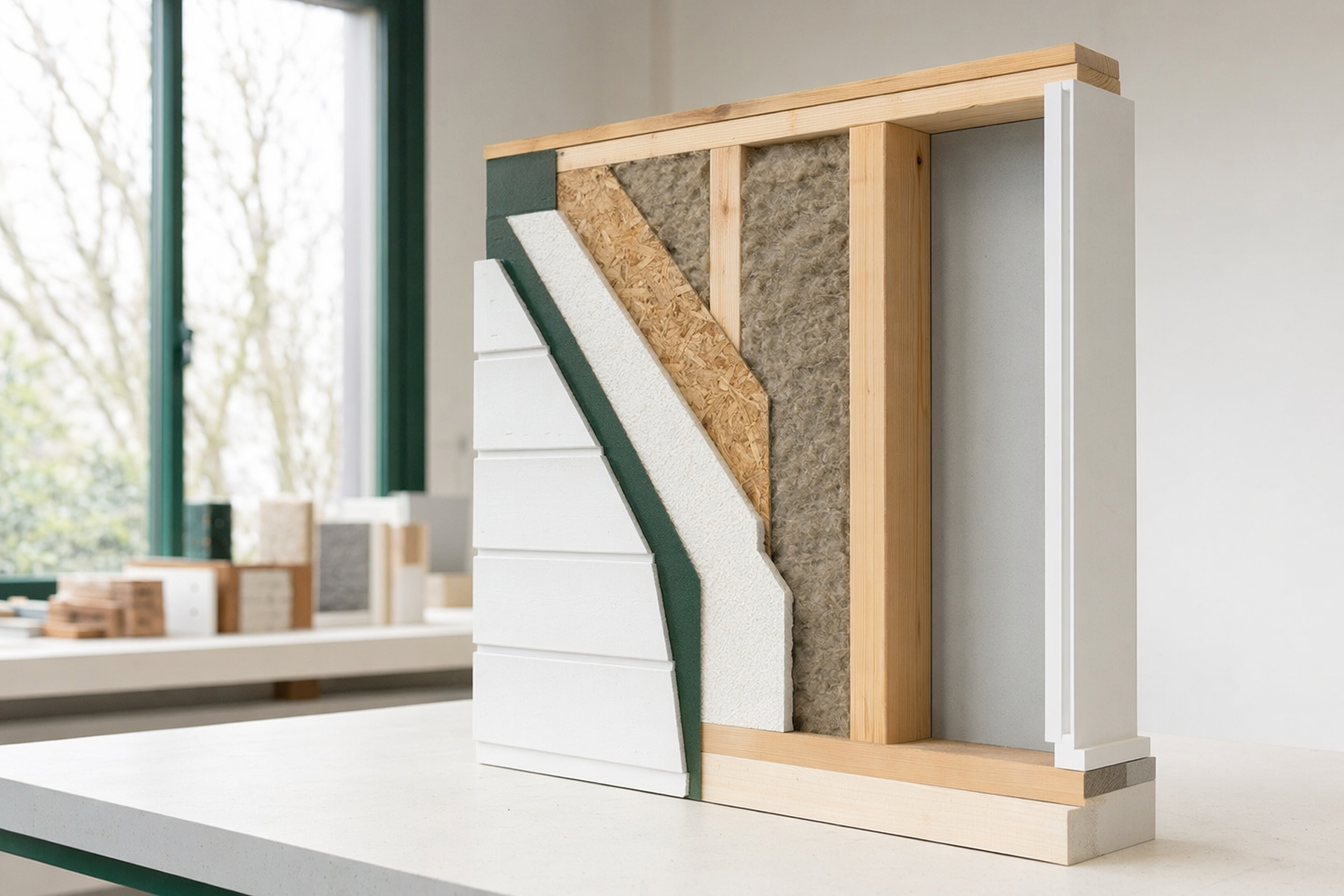
The building parts that matter most
In cold regions, the biggest wins often come from the basic shell of the house. That means the roof, walls, foundation, windows, and doors. If these parts leak air or lose heat fast, the heating system has to work harder.
- Insulation R-value matters, but more is not the whole story. Insulation should be installed well, without gaps or compression.
- Airtightness matters too. Builders often measure it with a blower-door test and talk about ACH, or air changes per hour.
- Windows should be chosen for your climate. Ask about U-factor and SHGC. In many cold climates, low U-factor windows are a priority.
- Thermal bridges can weaken performance. These are spots where heat moves through framing, slabs, balconies, or other solid materials.
- Foundation and slab details are important. Cold floors and moisture problems often start there.
A home can have high R-values on paper and still feel drafty if air sealing is weak. That is why good detailing and careful installation matter so much.
Heating, fresh air, and moisture control
A cold-climate home needs efficient heating, but it also needs fresh air. If a house is built tighter, ventilation should be planned, not left to random leaks. That is where an HRV or ERV may come in. These systems bring in fresh air and exhaust stale air while helping reduce wasted heat.
Many green homes also use heat pumps for space heating and cooling. In some cold areas, a builder may suggest a cold-climate heat pump, backup heat, or another system based on winter temperatures and utility options. The right setup depends on your location and house design.
Moisture control is just as important as heat control. Warm indoor air can carry moisture into walls and roof assemblies if details are wrong. Ask how the builder handles air barriers, vapor control, flashing, drainage, and ventilation. These choices affect durability as much as energy use.
If you want help comparing builders who understand these systems, you can use our free get matched service.
Questions to ask a green builder
You do not need to know every technical term before you meet a builder. But asking a few clear questions can help you compare experience and process.
- How do you build for airtightness, and do you test it with a blower door?
- What insulation levels do you usually recommend for walls, roof, and foundation in this climate?
- How do you reduce thermal bridging?
- What window performance numbers do you suggest here, including U-factor and SHGC?
- What ventilation system do you use, and why, HRV or ERV?
- What heating system do you recommend for this design and site?
- How do you manage moisture in walls, roof, and basement or slab areas?
- What parts of the scope, performance goals, and pricing will be confirmed in writing?
It is also smart to ask who will install and inspect the key details. A strong plan on paper still depends on careful field work. As a homeowner, you should compare options and choose who to hire. EverGrain Built is a free matching and guide service. We are not the builder, architect, or contractor.
How to plan your project without guessing
Start with your climate, your site, and your goals. A house in northern Minnesota may need different details than one in Colorado or upstate New York. Snow load, wind, winter sun, fuel choices, and local code can all affect the design.
It helps to separate your goals into three buckets:
- Must have. For example, better airtightness, low heating demand, or all-electric systems.
- Nice to have. For example, triple-pane windows, solar readiness, or a target like net-zero.
- Budget watch items. For example, upgraded assemblies, premium windows, or special certifications.
Then ask each builder to explain what is included, what is optional, and what assumptions they are making. Confirm scope, materials, tests, and price in writing with a licensed builder before you sign. If you want a starting point, see how it works, explore costs, or request free matches through get matched.

In a cold climate, the best green homes focus on a tight, well-insulated shell, good windows, planned fresh air, and careful moisture control. Ask builders how they test and build these details, then compare written scope and price before you choose.
Common questions
Is a passive house the only good option for a cold climate?
No. Passive house is one approach with strict performance targets, but it is not the only way to build well in a cold region. Many homes use passive-house ideas, like strong insulation, low air leakage, and balanced ventilation, without following that full path.
Do I need triple-pane windows in a cold climate?
Not always. In some cold regions, triple-pane windows may make sense. In other cases, good double-pane or other high-performance windows may fit the design and budget better. Ask the builder to explain the window specs, including U-factor and SHGC, and how they fit your climate.
Can a heat pump work where winters are very cold?
Sometimes yes, but the right answer depends on your local winter temperatures, house design, and utility setup. Some projects use cold-climate heat pumps, sometimes with backup heat. A builder or HVAC designer should size the system for your home instead of guessing.
Will a green home always cost less to run?
Not always, and no one should promise exact savings without careful project details. Energy use depends on the design, climate, equipment, air sealing, insulation, and how the home is operated. It is better to compare builders based on scope, quality, testing, and written specifications.