Project stories
An efficient ADU for a multigenerational family
This anonymized project story shows how one family planned a small, efficient ADU so an older parent could live close by with more privacy and comfort. It is just one example. Results, price, comfort, and energy use can vary based on the site, climate, design, and the licensed builder the homeowner hires.
Why this family chose an ADU
The homeowners wanted space for an older family member near the main house, but with a separate entrance, kitchen, and bathroom. They also wanted lower day-to-day energy use and a home that would be easier to keep comfortable through hot and cold weather.
Because the ADU would be smaller than the main home, every design choice mattered. The family wanted a simple layout, good natural light, quieter rooms, and building systems that were easy to use.
They used EverGrain Built as a free matching service to learn the basics, compare green-minded builders, and decide who to hire for final scope and pricing.

The goals they gave the builder
Before talking with builders, the family made a short list of priorities. That helped them compare tradeoffs instead of picking products one by one.
- A well-insulated enclosure with fewer air leaks
- Windows chosen for the local climate, with attention to U-factor and SHGC
- An all-electric plan with a heat pump for heating and cooling
- Balanced fresh air, using an HRV or ERV if needed for the design and climate
- Lower maintenance materials and simple controls
- Space for aging in place, with safer bathroom access and easy movement through the unit
This kind of list can make builder conversations easier. It also helps homeowners ask better questions about systems, costs, and what is included in writing.
What the builder team focused on
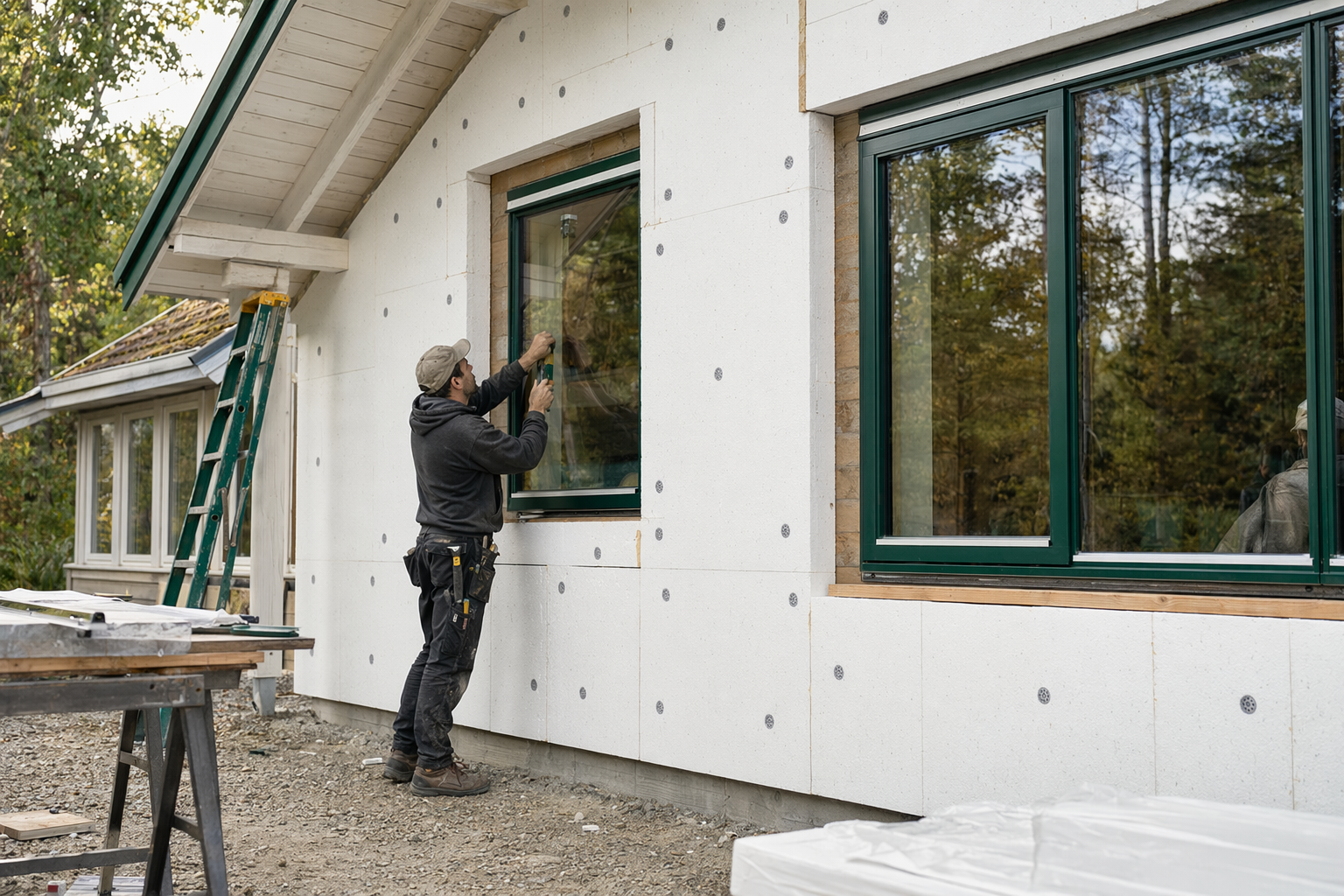
The licensed builder and design team focused first on the building enclosure. They paid close attention to insulation levels, air sealing details, and window placement. The goal was not a flashy feature list. The goal was a solid shell that supports comfort and efficiency.
They also discussed airtightness targets and how to verify them with a blower-door test. A test like this can help show where air leakage is happening, but the final number depends on the home, crew, and construction details.
For equipment, the family leaned toward a compact heat pump and electric water heating. They wanted to avoid oversized equipment, since smaller homes can have very different heating and cooling needs than larger houses.
The builder explained that good results come from the whole package working together. Insulation, airtightness, windows, ventilation, and equipment sizing all affect each other.
What the homeowners learned during the process
One big lesson was that clear documents matter. The family asked each builder to show the scope in writing, including what insulation type was planned, what windows were specified, whether ventilation was included, and who would handle testing and permits.
They also learned that some terms sound similar but mean different things. For example, a home can be energy efficient without being passive house, and a home can be designed toward net-zero goals without guaranteeing that result. Labels and outcomes depend on many factors.
Another lesson was to keep the design simple where possible. Fewer bumps, jogs, and complicated roof lines can make air sealing easier and may reduce risk during construction. You can read more in learn and see how matching works at how it works.
Why this example may help other families
This story is useful because many homeowners are balancing family needs, budget limits, and long-term operating goals at the same time. An ADU for multigenerational living is not just about adding square footage. It is about privacy, safety, comfort, and choosing systems that fit the people who will use them.
If you are planning an efficient ADU, start with your priorities and ask each licensed builder the same core questions. Compare enclosure details, ventilation plans, equipment choices, timeline, allowances, and exclusions.
EverGrain Built does not build homes or sell construction services. We are a free matching and guide service. We help you compare experienced green custom-home builders near you, and you choose who to hire. If you want help getting started, visit get matched.
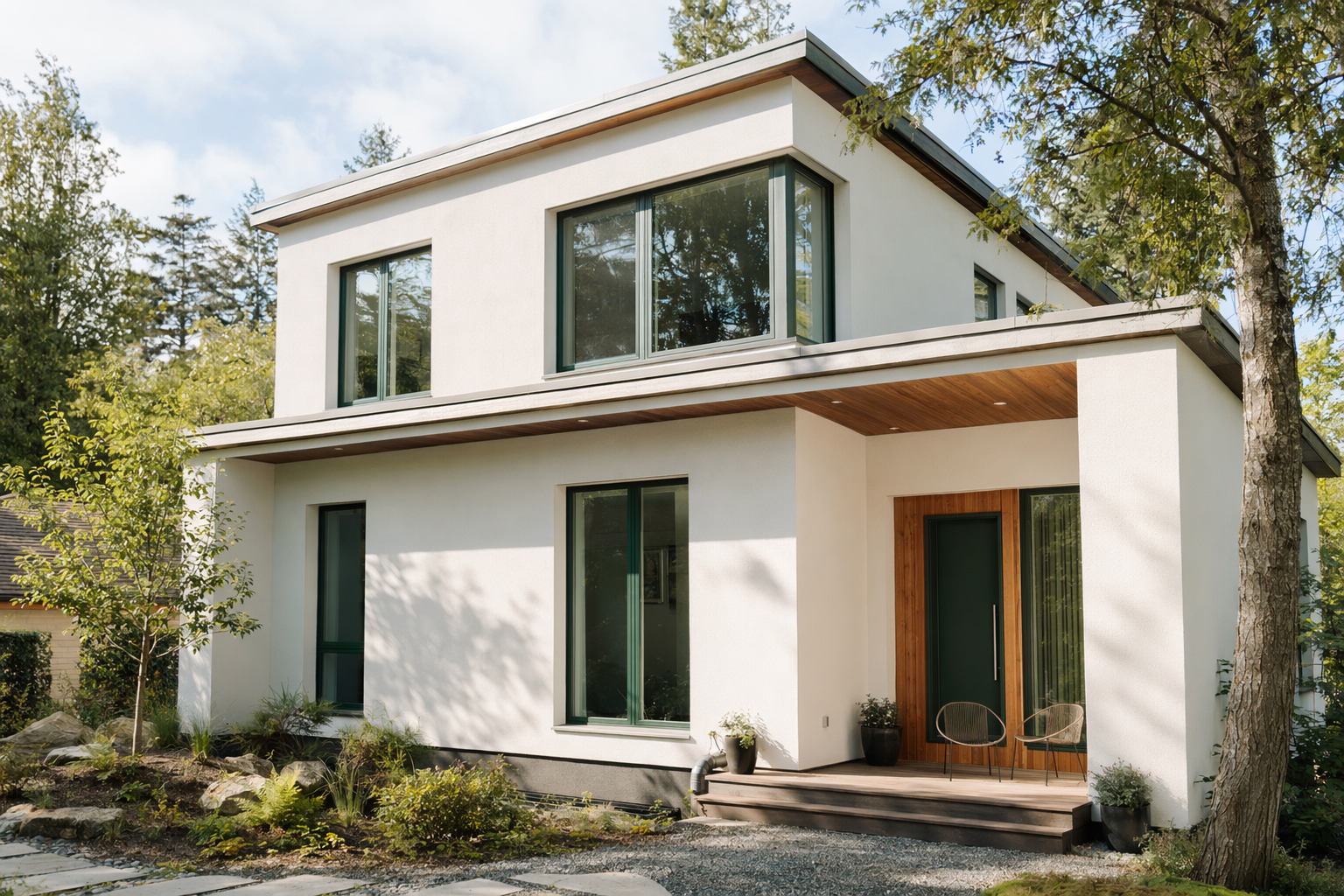
A small ADU can be more comfortable and energy aware if the design starts with a good shell, simple systems, and clear builder communication. This story is only one example, so confirm your own scope, price, and performance details in writing with a licensed builder.
Common questions
Is an efficient ADU the same as a passive house?
No. An efficient ADU can include better insulation, air sealing, windows, and mechanical systems without meeting a passive house standard. Some homeowners aim for passive-house-level ideas, but the final result depends on the design, climate, site, and builder.
Will an all-electric ADU always cost less to run?
Not always. Energy use and utility bills vary by climate, rates, equipment, occupancy, and how the home is built and operated. Ask the builder what assumptions they are using, and get equipment and scope details in writing.
Do I need an HRV or ERV in a small ADU?
Maybe. It depends on how airtight the unit is, the local climate, code requirements, and the ventilation strategy. A licensed builder or design professional can explain whether balanced ventilation makes sense for your project.
How can I compare builders fairly?
Give each builder the same project goals and ask for written scope details. Compare insulation levels, window specs, airtightness goals, testing plans, ventilation, heating and cooling equipment, exclusions, and allowances. EverGrain Built can help you get matched with builders to compare, but you choose who to hire.