Project stories
A net-zero-ready home built to a tight budget
This anonymized project story shows how one family aimed for a net-zero-ready home without chasing every premium upgrade. It is one example, not a promise. Results can vary by climate, design, site, materials, and the builder you hire.
Their goal was simple: low energy use without overspending
The homeowners wanted a healthy, efficient home with lower energy demand, but they had a firm budget. They were open to green building ideas, but they did not want to pay for features that added cost without clear value for their situation.
Early on, their builder helped them focus on the basics first. That meant a compact design, good insulation, better windows, careful air sealing, and right-sized equipment. The family learned that net-zero-ready usually starts with lowering the home's energy needs before adding solar later.
They also learned an important point. A high-performance home is not one fixed package. It is a group of choices that should fit the site, local climate, and budget.

They put the money into the building shell first
Instead of spreading the budget across many upgrades, the project team gave priority to the parts of the home that are hard to change later. That included the walls, roof, foundation details, windows, and air barrier.
The builder discussed practical performance targets, such as insulation levels, lower window U-factor, climate-appropriate SHGC, and tighter airtightness measured with a blower-door test. The exact numbers were chosen for the local conditions and the home's design.
Key choices included:
- A simple home shape to reduce framing cost and heat loss
- Good insulation in the roof, walls, and slab or floor system
- Careful air sealing at joints, penetrations, and transitions
- Windows placed and selected for the climate and sun exposure
- Fewer decorative details that could add cost and air leakage
This approach did not make the home "perfect." But it helped the family spend on long-term performance first, then make tradeoffs elsewhere.
Mechanical systems were kept efficient and straightforward
After reducing heating and cooling demand, the builder recommended simpler equipment. The home used an all-electric approach with a heat pump for space conditioning and a heat-pump water heater. Fresh air came from a balanced ventilation system, using an HRV or ERV depending on climate needs.
The family had first assumed they needed the biggest equipment they could afford. Instead, they learned that better insulation and airtightness can reduce loads, which may allow smaller systems. Proper sizing matters. Oversized equipment can cost more and may not perform as well as expected.
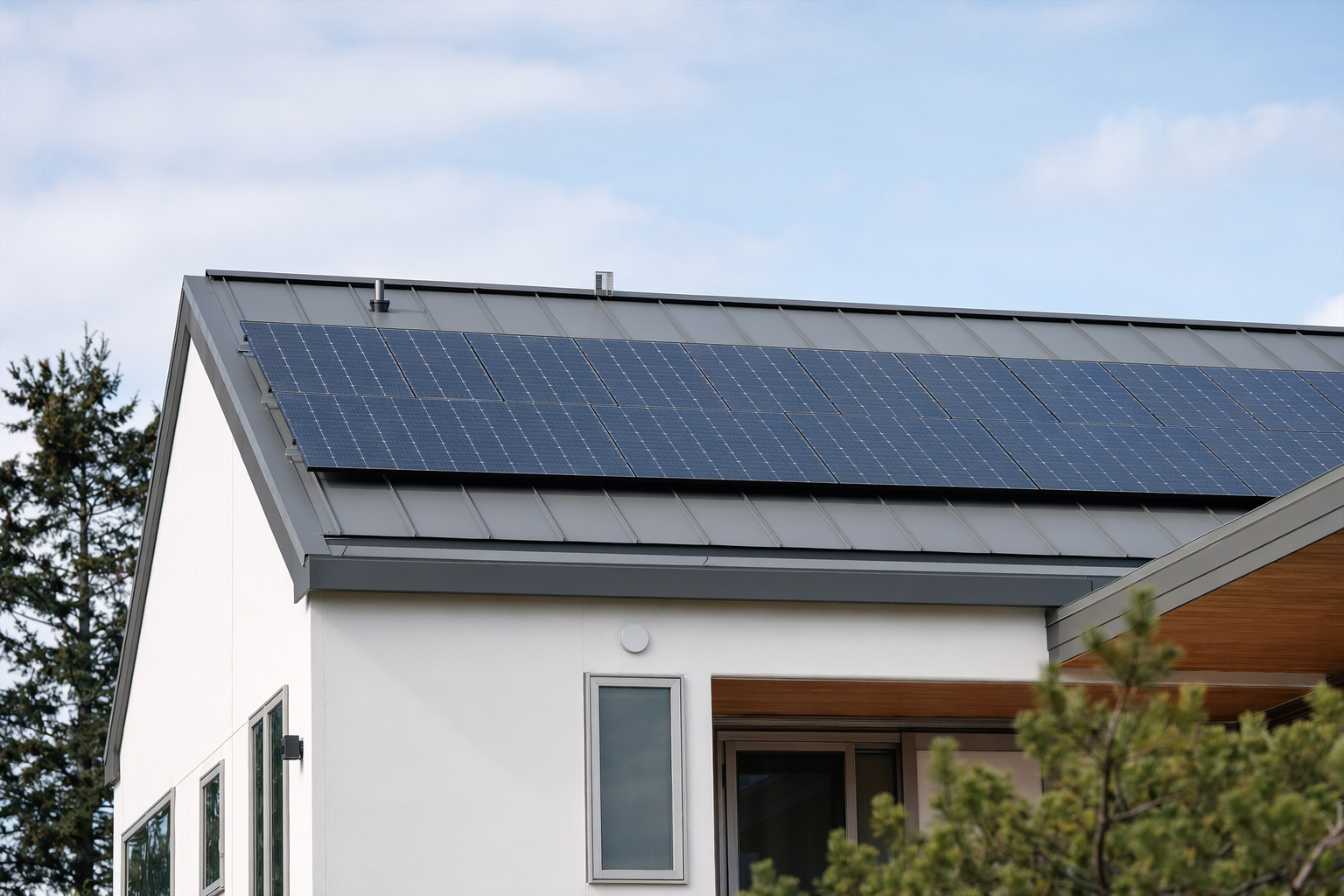
They also chose to make the home solar-ready rather than install a larger array right away. For this family, that was a budget choice. The roof layout, electrical planning, and panel space were set up so solar could be added later if they wanted.
If you are comparing options, learn more about systems and how EverGrain Built works.
What they learned while working with a green builder
One of the biggest lessons was that clear scope matters more than marketing words. The family asked for details in writing. They wanted to know what insulation type and R-value were included, what windows were specified, whether blower-door testing was part of the job, and what ventilation system would be installed.
They also learned to ask how each choice affected another. For example, tighter construction usually means planned ventilation becomes more important. Better windows can support comfort near the glass, but value depends on climate, orientation, and cost.
Questions that helped them compare builders were:
1. What airtightness target are you aiming for, and will you test it?
2. What insulation levels are included in the base price?
3. How are windows selected for U-factor and SHGC?
4. Will you provide equipment sizing and performance details in writing?
5. What parts of the home are ready for future solar or battery backup?
EverGrain Built is a free matching service, not a builder or contractor. We help homeowners compare experienced green custom-home builders, then you choose who to hire. You should confirm scope, pricing, and licensing directly with the builder in writing. If you want help getting started, get matched.
The result was a home that stayed focused on priorities
The final home was not loaded with every premium option. Instead, it was designed to be durable, efficient, and ready for future upgrades. The family felt better about spending on parts of the house that affect energy use every day, rather than features that looked impressive on a spec sheet but strained the budget.
This story is only one example. Another family, in another climate or on another site, might make different choices and still build a strong green home. That is why it helps to compare builders, review tradeoffs, and ask for written specifications.
If you are planning a green, energy-efficient, or passive-style custom home, start with the basics and compare options carefully. You can also explore more guides on costs and learn.
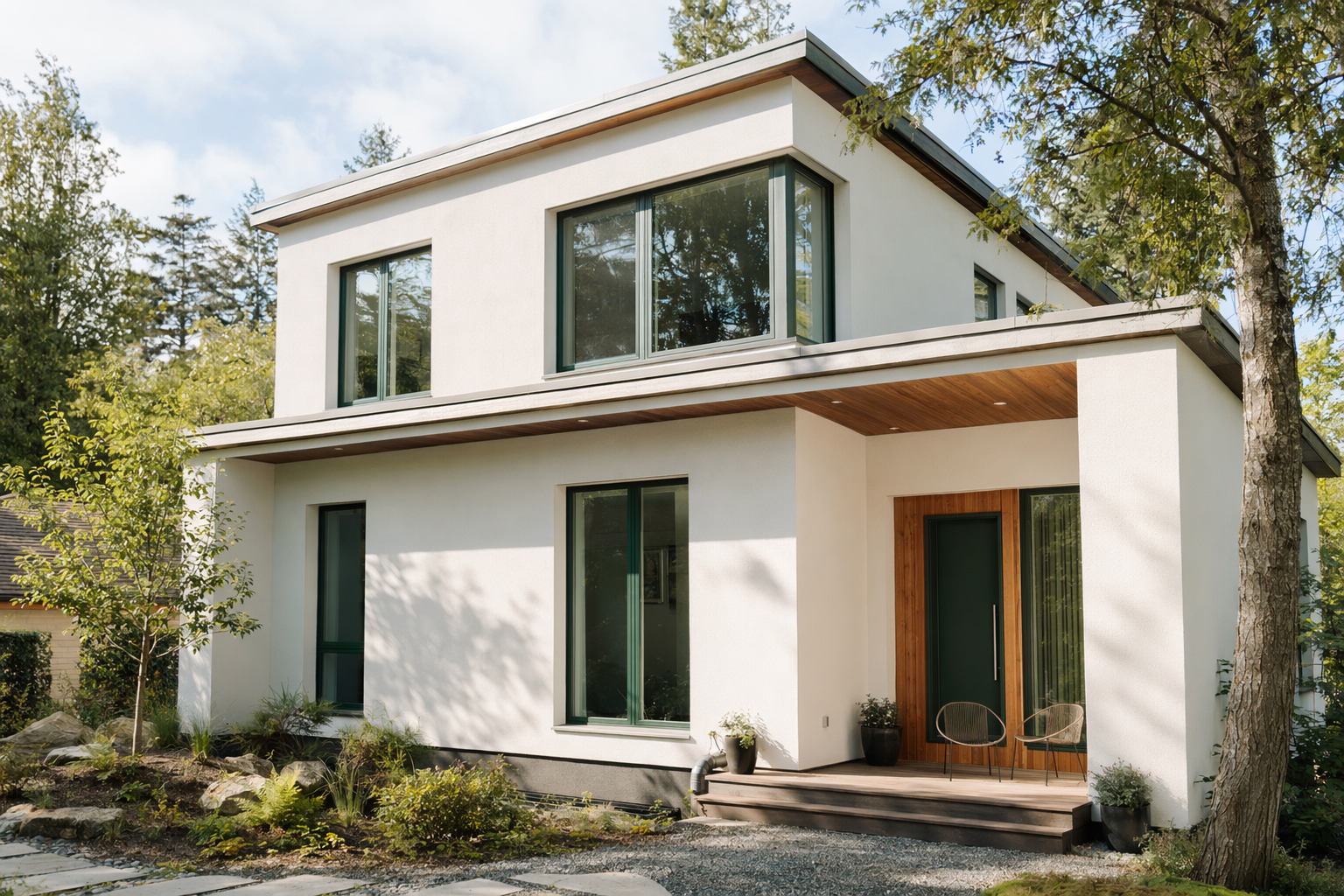
A budget-minded green home often starts with the basics. Spend carefully on the shell, choose simple efficient systems, and get the builder's scope and performance details in writing.
Common questions
What does net-zero-ready mean?
It usually means the home is designed to use less energy first, with the option to add enough renewable energy later, often solar, to offset much or all of its annual energy use. There is no single definition that fits every project. Ask the builder what they mean by the term, what assumptions they are using, and what is included in writing.
Can I build a green home on a tight budget?
Sometimes, yes, but it depends on the home size, design, site, local labor, materials, and the builder. Many homeowners control cost by keeping the design simple and putting money into the shell first, then choosing a few high-impact systems. Always compare bids carefully and confirm scope and allowances in writing with a licensed builder.
Should I install solar right away?
Not always. Some homeowners choose to make the home solar-ready first and add panels later. That can be a practical budget decision. The right timing depends on your roof design, shading, electric loads, local utility rules, and total project budget.
How can EverGrain Built help?
EverGrain Built is a free matching and guide service for homeowners. We help you compare builders experienced in green, energy-efficient, and passive-style custom homes near you. We do not build or sell construction services. You compare options, interview builders, and choose who to hire.