Learn
What U-factor and SHGC mean on windows
U-factor and SHGC are two window ratings that tell you how a window handles heat. They matter for comfort, condensation risk, and energy use, but the best number depends on your climate, the direction the window faces, and the whole house design.
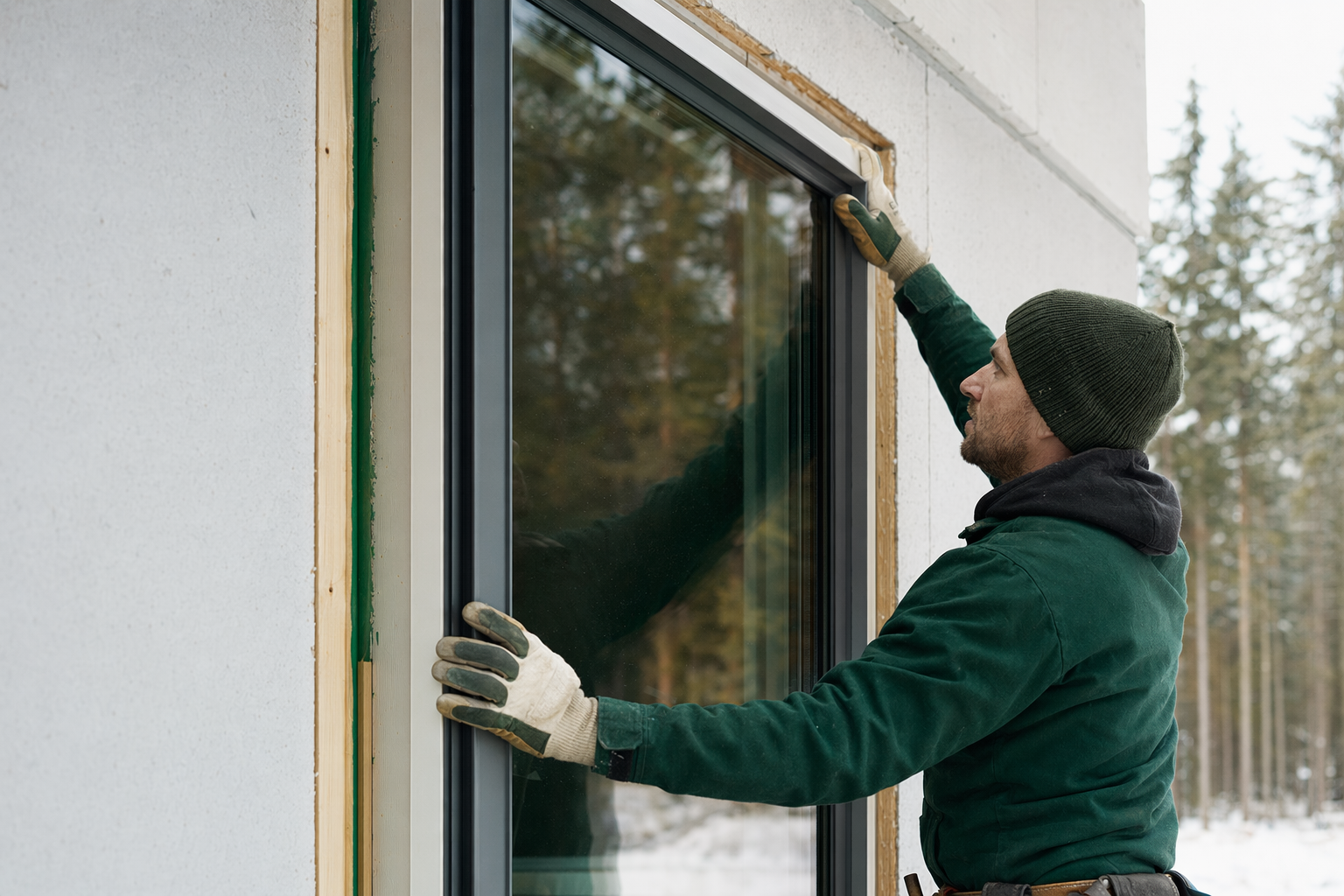
What these two ratings mean
U-factor tells you how much heat moves through the whole window assembly, including the glass, frame, and spacers. Lower U-factor usually means better insulation.
SHGC stands for Solar Heat Gain Coefficient. It tells you how much of the sun’s heat comes through the window. Lower SHGC blocks more solar heat. Higher SHGC lets in more solar heat.
These ratings are not about one window being "good" or "bad" by itself. They help you compare windows for your climate and your home design.
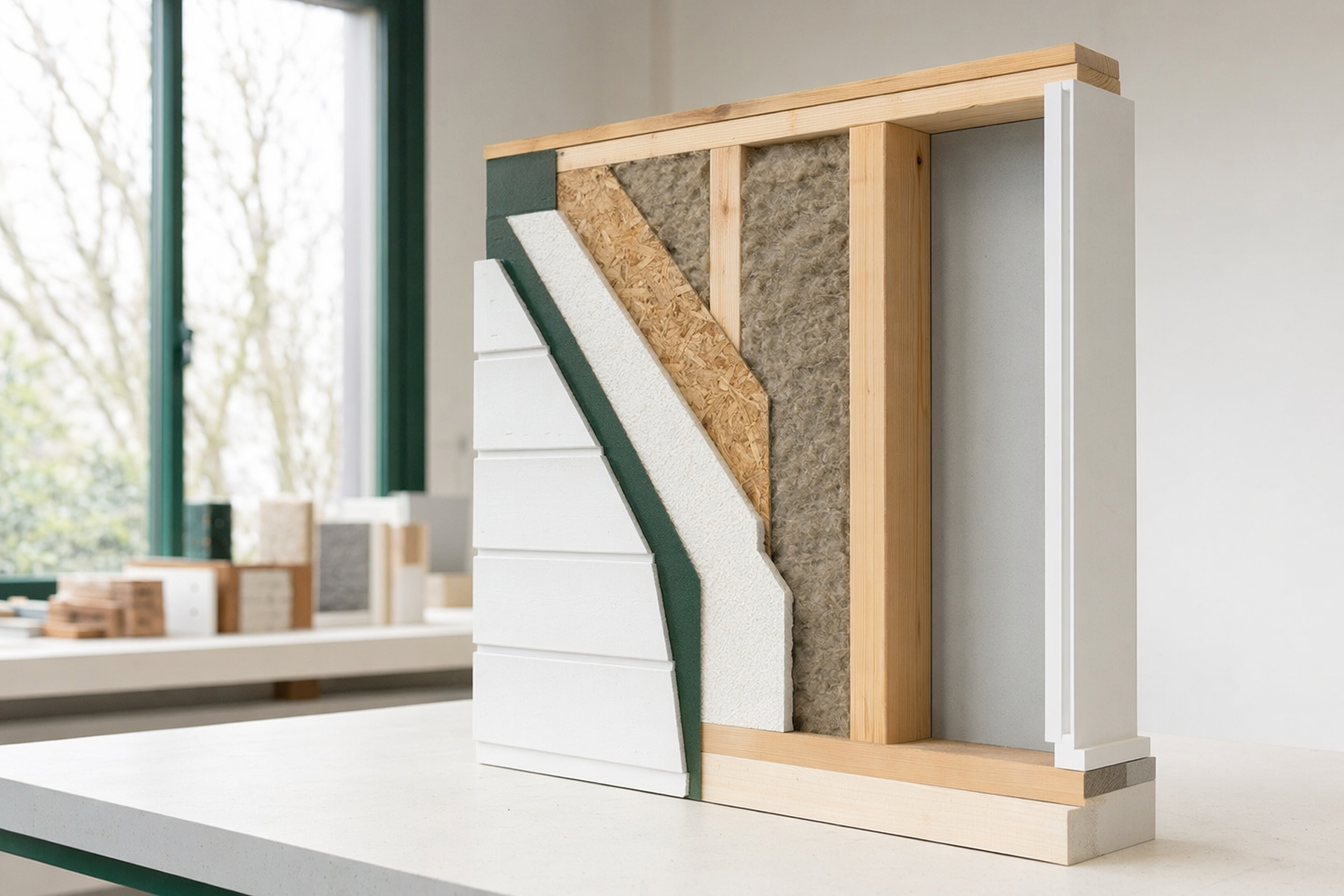
Why homeowners should care
Windows can affect how a room feels near the glass. They can also affect overheating in summer, heat loss in winter, and the chance of interior condensation.
A lower U-factor can help reduce heat loss in cold weather. SHGC can help control how much solar heat comes in during sunny hours. That is why two homes in different climates may need different window specs.
If you are planning a high-performance home, window choices should be part of the full plan, along with insulation, airtightness, shading, and HVAC. You can learn more about related parts of the house at /systems/ and other topics in /learn/.
How climate and window direction change the answer
The best U-factor and SHGC depend on where you live and which way the window faces. A builder or energy consultant may choose different windows for different sides of the same house.
- In colder climates, lower U-factor is often a priority.
- In hot or mixed climates, lower SHGC may matter more on sunny exposures.
- South, west, east, and north windows can behave very differently.
- Roof overhangs, trees, and nearby buildings also change solar gain.
This is why it helps to ask for the window schedule, not just a brochure. The schedule should show the ratings for the actual windows being installed, and where they go in the house.
Other window terms you may see
U-factor and SHGC are important, but they are not the only numbers on a window label.
- Visible Transmittance, VT. How much daylight passes through.
- Air leakage. How much air can leak around the window assembly, if listed.
- U-value of the glass vs. whole-window U-factor. Whole-window numbers are more useful for comparison because frames matter.
- Low-e coatings and gas fill. These features can change both U-factor and SHGC.
If you are aiming for a green, low-energy, or passive-style home, ask how the builder balances window specs with blower-door targets, insulation levels, and ventilation such as an HRV or ERV. A window does not perform alone. It is part of the whole enclosure.
Smart questions to ask your builder
Bring these questions to your meetings so you can compare bids clearly.
- What whole-window U-factor and SHGC are you proposing?
- Are the specs the same on every side of the house?
- How do these windows fit our climate and orientation?
- Will you provide the manufacturer data and window schedule in writing?
- How will you install and flash the windows to control air and water leaks?
- How do the window choices fit the insulation, airtightness, and HVAC plan?
EverGrain Built is a free matching service. We help you find experienced green custom-home builders so you can compare options and choose who to hire. If you want help finding builders near you, start here: /get-matched/.
Before you sign anything, confirm the exact scope, ratings, installation details, and price in writing with a licensed builder or contractor.

U-factor tells you how well a window resists heat loss. SHGC tells you how much solar heat it lets in. The best numbers depend on your climate and your house design.
Common questions
Is lower U-factor always better?
Lower U-factor usually means better insulation, but the right target depends on your climate, budget, and the rest of the wall and HVAC design. It is best to compare whole-window ratings and ask how the window fits the full house plan.
Is lower SHGC always better?
Not always. Lower SHGC blocks more solar heat, which can help in hot weather or on very sunny exposures. In some colder climates or on some orientations, a different SHGC may make sense. Your builder should explain the choice for your site.
Can I choose one window for the whole house?
Sometimes, yes. But many high-performance homes use different glass packages or specs on different sides of the house. The best approach depends on sun exposure, shading, climate, and budget.
Do these ratings guarantee lower bills or better comfort?
No. They are useful comparison tools, but results vary by home size, layout, climate, shading, air sealing, insulation, HVAC, and installation quality. Ask your builder to show how the window choice fits the full design, and get the final scope and price in writing.