Learn
What is embodied carbon in a home?
Embodied carbon is the climate pollution linked to making, moving, installing, repairing, and replacing the materials in a home. It is different from the energy your home uses after you move in, but both matter if you want a greener home.
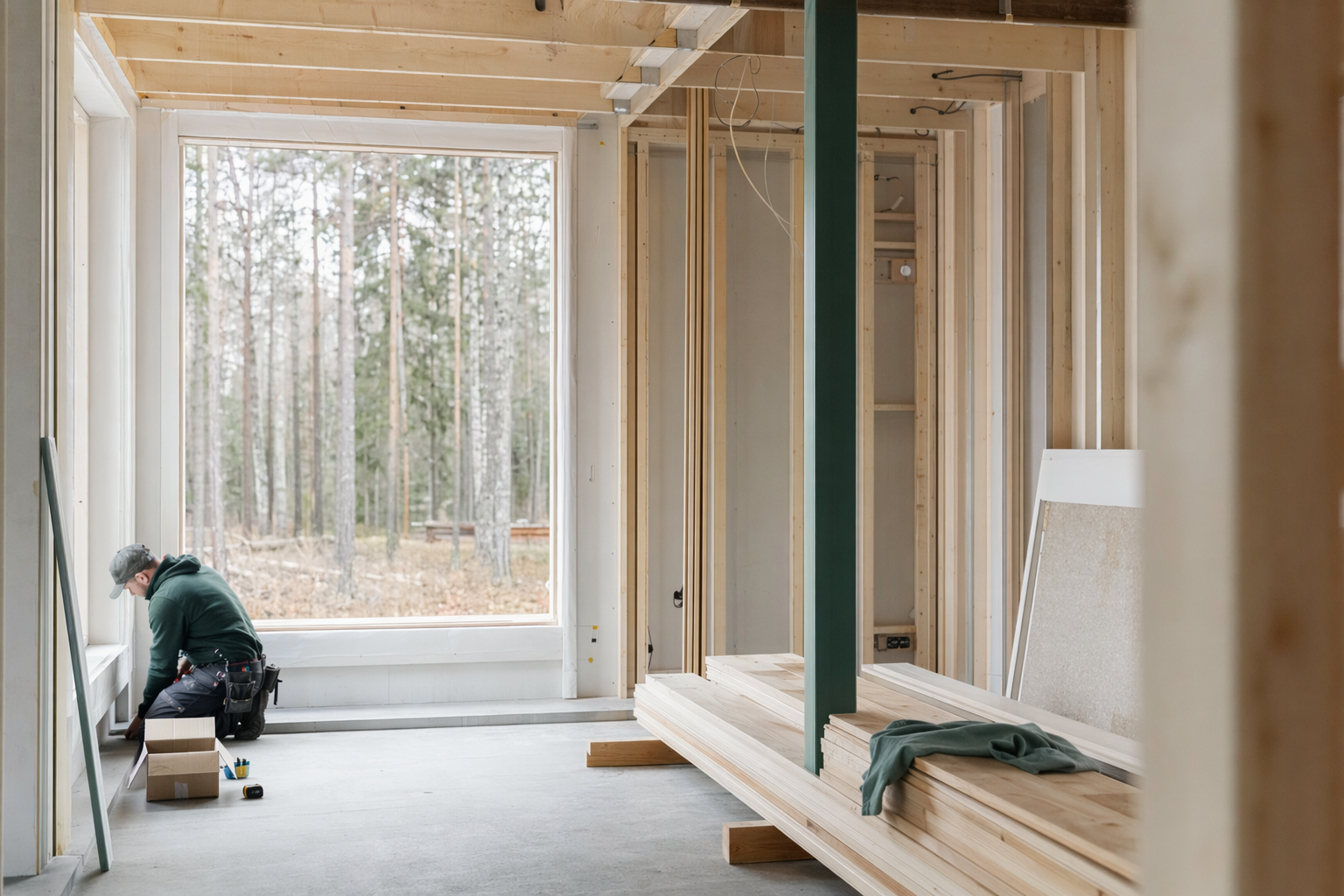
Embodied carbon means the carbon in building materials
Think of embodied carbon as the emissions tied to the stuff that makes up your house. That includes concrete, steel, insulation, drywall, flooring, windows, roofing, and more. It also includes shipping, construction waste, and future replacements.
This is different from operational carbon, which comes from running the home over time, like heating, cooling, hot water, and appliances. A well-planned green home looks at both.
For many homeowners, embodied carbon matters most during design and material choices. Once the home is built, you usually cannot change those choices easily.
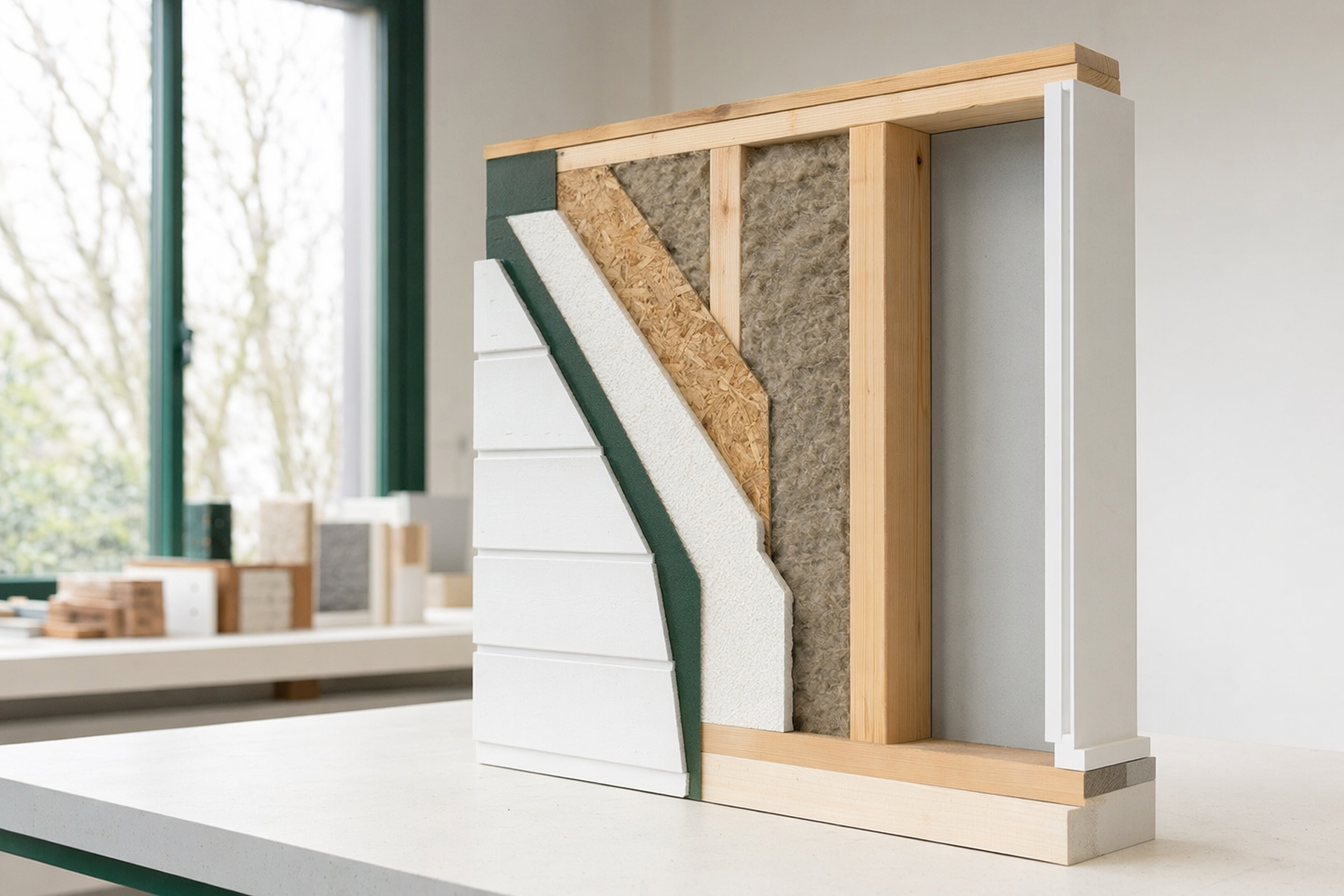
Why homeowners should care about it
Embodied carbon is not something you feel directly like a draft or a noisy room. But it can guide smarter choices about what to build, how much to build, and which products to compare.
A lower-carbon home does not always mean a more expensive home, and a higher price does not always mean lower carbon. The best path depends on your climate, site, design, local materials, and builder experience.
It also helps to remember that a durable, right-sized home can be part of the solution. If a product lasts longer or avoids frequent replacement, that may reduce future material impact.
What usually has the biggest impact
Some parts of a home often carry more embodied carbon than others. The exact mix will vary by design, but these areas often deserve a closer look:
- Concrete and foundation work
- Steel and other high-energy structural materials
- Large amounts of foam insulation
- Big window packages
- Finish materials that are replaced often
- Oversized homes with more materials than you need
This does not mean these materials are always bad or should never be used. It means you should ask why they are being used, how much is really needed, and whether a simpler option can meet the goal.
A good green builder can help you compare tradeoffs with other performance needs, like insulation R-value, airtightness, window U-factor and SHGC, moisture control, and durability. You can learn more about these topics at /systems/ and /learn/.
How to reduce embodied carbon without losing performance
Start with the big-picture choices. A compact design, right-sized home, and simple structure often reduce material use before you even compare products.
Then look at the assembly details. For example, a builder may be able to reduce concrete in some areas, choose lower-carbon mixes where available, use advanced framing, or avoid unnecessary finish layers. In some projects, careful air sealing and better design can reduce the need for extra materials later.
You can also ask about products with published environmental data, reclaimed or recycled content where appropriate, and materials that are durable and easy to maintain. But do not pick products on marketing alone. Confirm that they still fit your climate, code, budget, and performance goals.
If you are comparing builders, ask each one to explain their approach in writing. Our free service can help you get matched with green custom-home builders so you can compare experience, scope, and price for yourself.
Good questions to ask a green builder
You do not need to be an expert. You just need a short list of clear questions.
- Which parts of this design are likely to have the most embodied carbon?
- Are there simpler or lower-carbon options for the foundation, structure, insulation, and finishes?
- How do you balance embodied carbon with energy efficiency, airtightness, durability, and moisture safety?
- Can you show the window specs, like U-factor and SHGC, and explain why they fit my climate?
- Will you include the exact materials, scope, and allowances in writing?
If you want a very low-energy home, ask how embodied carbon fits with passive-house-style goals, blower-door testing, and systems like HRVs, ERVs, and heat pumps. For help finding local pros to interview, see /how-it-works/ or /get-matched/.
EverGrain Built is a free matching service. We are not the builder. You compare options and choose who to hire. Always confirm scope, materials, schedule, and price in writing with a licensed builder.
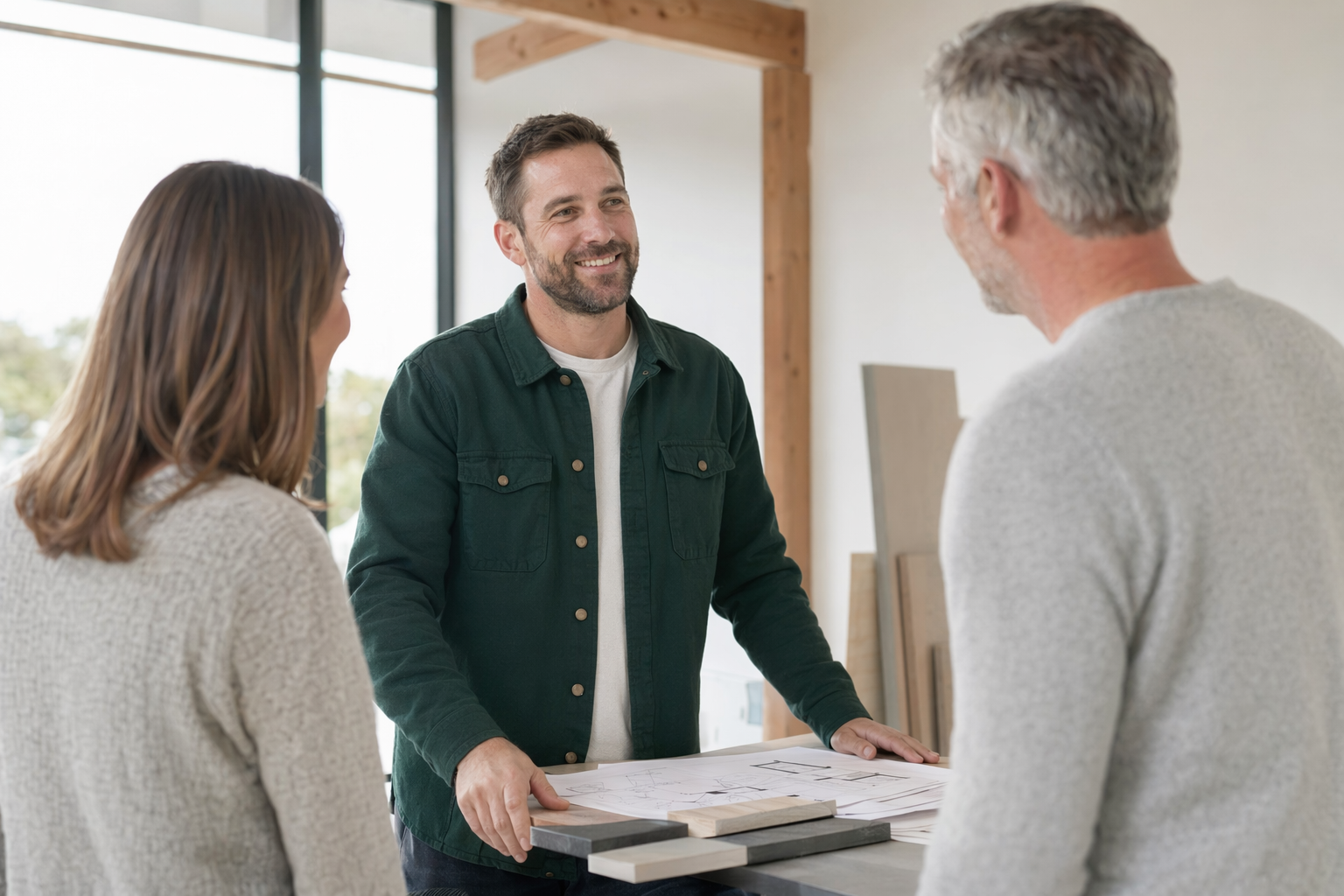
Embodied carbon is the climate impact of the materials and construction of your home. Ask your builder where the biggest impacts are, what lower-carbon options exist, and get all choices in writing before you hire.
Common questions
Is embodied carbon the same as my utility bills?
No. Utility bills are mostly tied to how much energy the home uses after it is built. Embodied carbon is tied to the materials and construction process. Both matter, but they are different parts of the picture.
Does a passive or energy-efficient home always have lower embodied carbon?
Not always. Some high-performance homes use more material or more carbon-intensive products to reduce energy use. A good design tries to balance both. The right answer depends on your climate, home size, site, and the products available.
Can my builder measure embodied carbon exactly?
Sometimes a project team can estimate it with product data and carbon calculation tools, but the accuracy depends on the design stage and the information available. Many custom homes use practical comparisons instead of a full analysis. Ask what method the builder uses and what assumptions are included.
What is one simple step I can take first?
Keep the home right-sized and avoid unnecessary complexity. Smaller, simpler homes often use fewer materials. Then ask builders to compare a few major items, like foundation approach, structural system, insulation type, and window package.