Learn
What is an HRV or ERV, and do I need one?
An HRV or ERV is a ventilation system that brings in fresh air and sends stale air out. In a tighter, better-insulated home, this can help with indoor air quality and comfort. Whether you need one depends on how airtight your home is, your climate, and the system your builder designs.
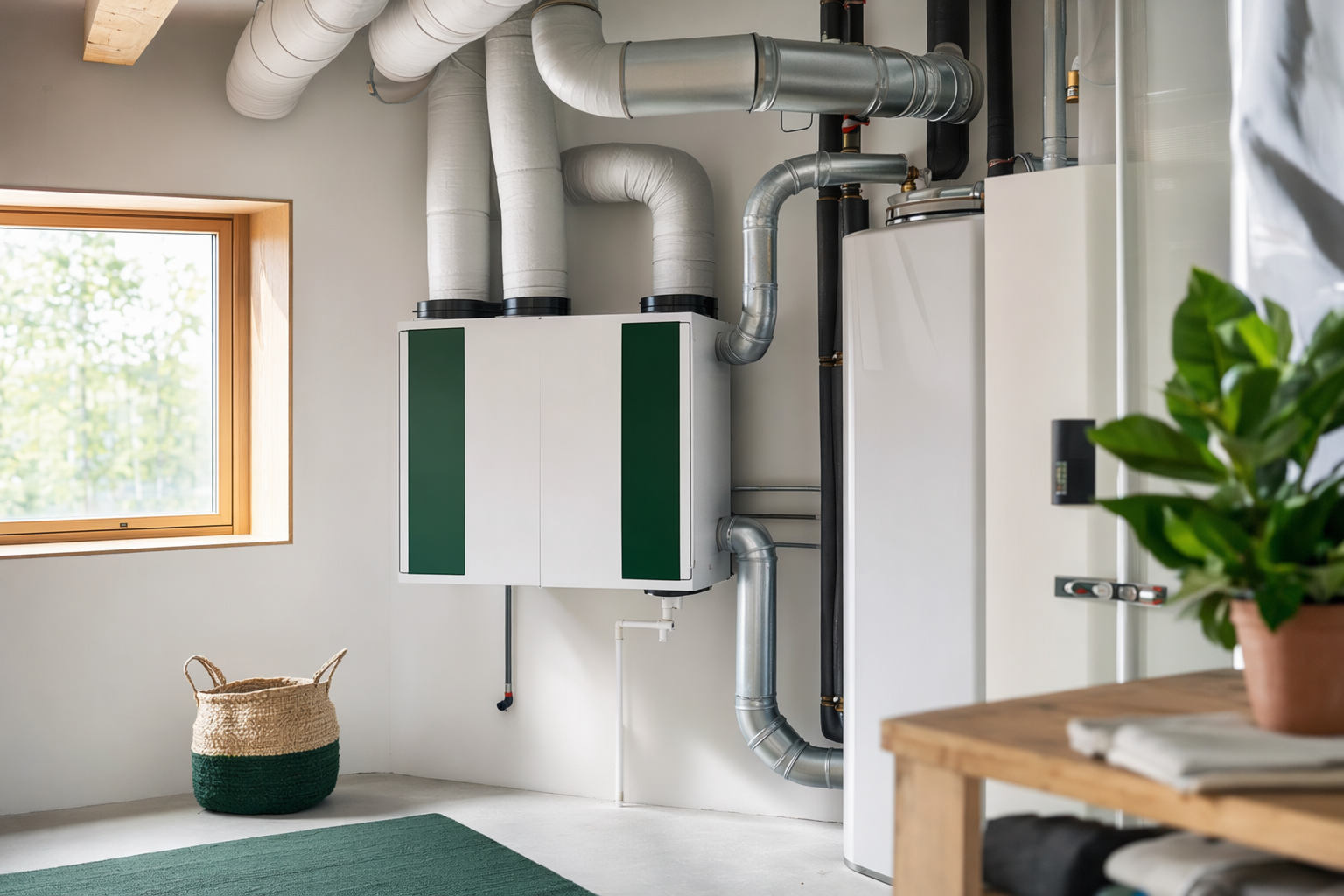
What an HRV or ERV does
HRV stands for heat recovery ventilator. ERV stands for energy recovery ventilator. Both systems move fresh outdoor air into the home and exhaust stale indoor air out.
They do not just open a hole in the wall. They pass the incoming and outgoing air streams through a core so some heat is transferred between them. This helps reduce the energy penalty of ventilation compared with simple exhaust-only fans.
In plain terms, they help your home breathe in a controlled way. That matters most in homes built with good air sealing and insulation, where random leaks are lower by design.
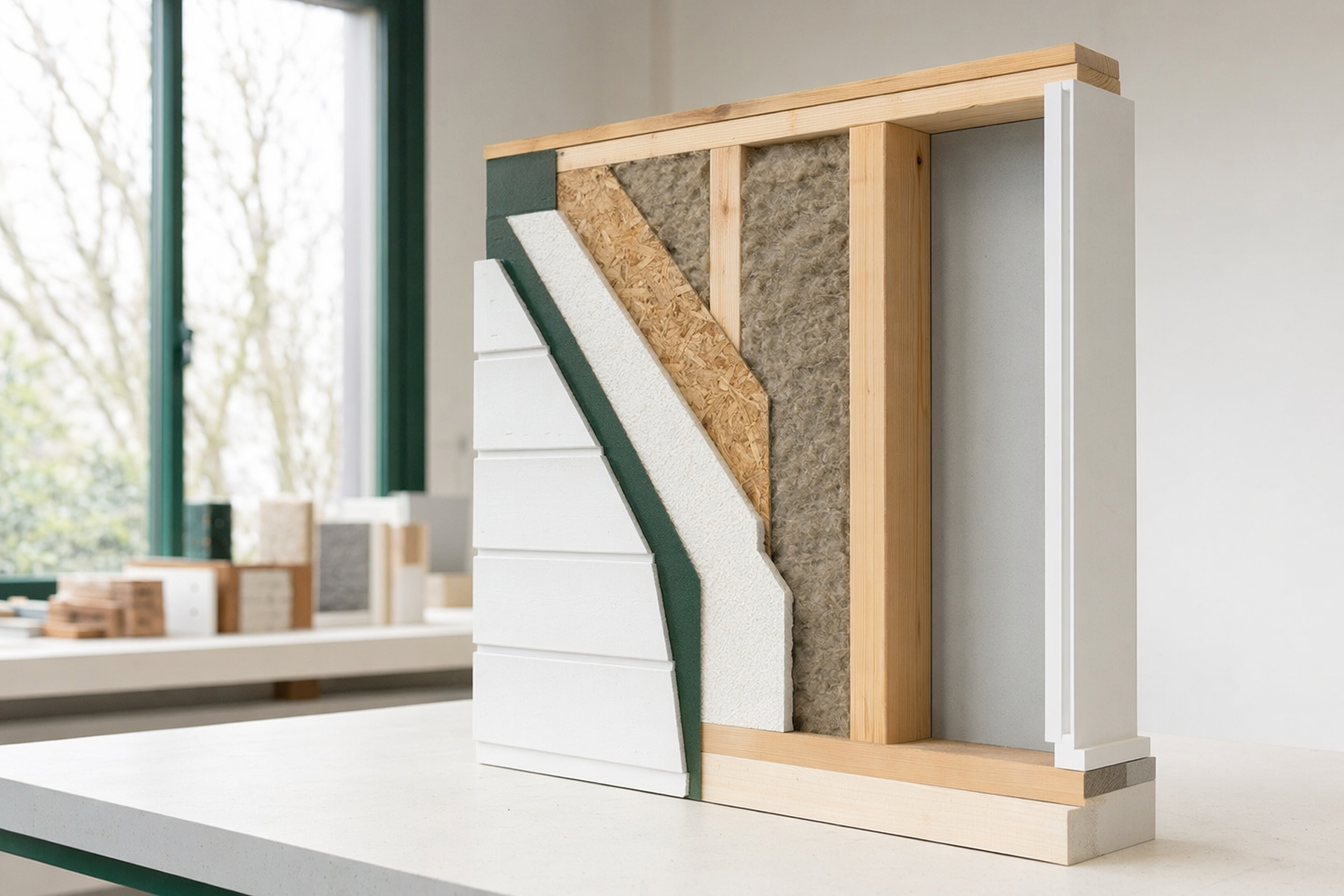
What is the difference between an HRV and an ERV?
The main difference is moisture transfer. An HRV transfers heat. An ERV transfers heat and some moisture.
That can matter because indoor air can get too dry or too humid depending on your climate, season, and how you live in the home. A good designer will look at local weather, the number of people in the home, and your heating and cooling setup.
A simple way to think about it:
- HRV: usually focused on heat transfer.
- ERV: helps balance heat and some humidity.
- Both: support fresh air, better control, and more even ventilation than relying on leaks.
There is no one right choice for every house. Your builder or HVAC designer should explain why they recommend one over the other for your location and plan.
Do you need one in your home?
You may need an HRV or ERV if your home is being built to be tight and energy efficient. That includes many green homes, high-performance homes, and passive-style homes. As air leakage goes down, planned ventilation becomes more important.
A blower-door test helps show how airtight a home is. Builders often talk about airtightness in ACH, or air changes per hour, measured at a set pressure. Lower ACH means fewer uncontrolled leaks, but it also means fresh-air planning matters more.
You may want to ask about an HRV or ERV if:
1. You are building a well-insulated home with careful air sealing.
2. You want more consistent fresh air throughout the house.
3. You are concerned about cooking smells, stuffy rooms, or indoor humidity.
4. You are comparing green home systems and want to understand the full design.
Not every home needs the same setup. In some cases, local code, climate, home size, and the rest of the HVAC design will shape the answer.
What an HRV or ERV can and cannot do
An HRV or ERV can help provide steady fresh air. It can support better indoor air quality when it is sized, installed, balanced, and maintained correctly. It can also work well with other efficient systems such as heat pumps.
But it is not a cure-all. It does not replace source control, like using a kitchen range hood, venting bathrooms, choosing low-emission materials, or fixing water leaks. It also does not guarantee a certain utility bill, comfort level, or certification result.
Ask your builder these practical questions:
- Will the home get a blower-door test?
- What airtightness target are you aiming for in ACH?
- Why do you recommend an HRV or ERV for this climate?
- How will the system be sized and balanced?
- Where will fresh air be supplied and stale air be exhausted?
- What filters and maintenance will the owner need to handle?
If you are early in planning, get matched for free and compare builders who have experience with energy-efficient homes. You choose who to hire, and you should confirm scope, equipment, and price in writing with a licensed builder.
How to talk to a builder about it
Start with your goals, not just product names. Tell the builder if you want a quieter home, fewer drafts, lower uncontrolled air leakage, better indoor air quality, or a path toward a green or passive-style build.
Then ask how ventilation fits into the whole house plan. Good results come from the full package, including insulation, windows, air sealing, HVAC, and moisture control. Ventilation works best when it is part of a coordinated design, not an afterthought.
You can also compare notes with more than one builder. Our free service helps homeowners learn the basics and connect with experienced green custom-home builders near them. See how it works or get matched to start.

An HRV or ERV is a fresh-air system for tighter homes. The right choice depends on your climate, your home design, and how your builder plans the full ventilation system.
Common questions
Is an HRV or ERV the same as air conditioning?
No. These systems are mainly for ventilation, which means bringing in fresh air and exhausting stale air. They can recover some heat, and an ERV can transfer some moisture, but they are not the same as a heating or cooling system.
Will an HRV or ERV lower my energy bills?
It may help compared with simpler ventilation approaches, but results vary by climate, home design, airtightness, equipment, and how the system is used. Do not rely on broad promises. Ask your builder to explain the expected role of ventilation in your specific home.
Can I add one later, or does it need to be planned from the start?
Some homes can add one later, but it is usually easier to plan for it early. Early planning can help with duct routing, equipment space, noise control, and coordination with the rest of the HVAC system.
Does an HRV or ERV mean I never open my windows?
No. You can still open windows when outdoor conditions are good and you want to. A ventilation system is there to provide more consistent, controlled fresh air when the home is closed up.