Learn
What is a deep energy retrofit?
A deep energy retrofit is a major upgrade to an existing home that aims to cut energy use a lot, not just a little. It usually combines better insulation, better air sealing, improved windows or doors, and new heating, cooling, and ventilation systems that work together.
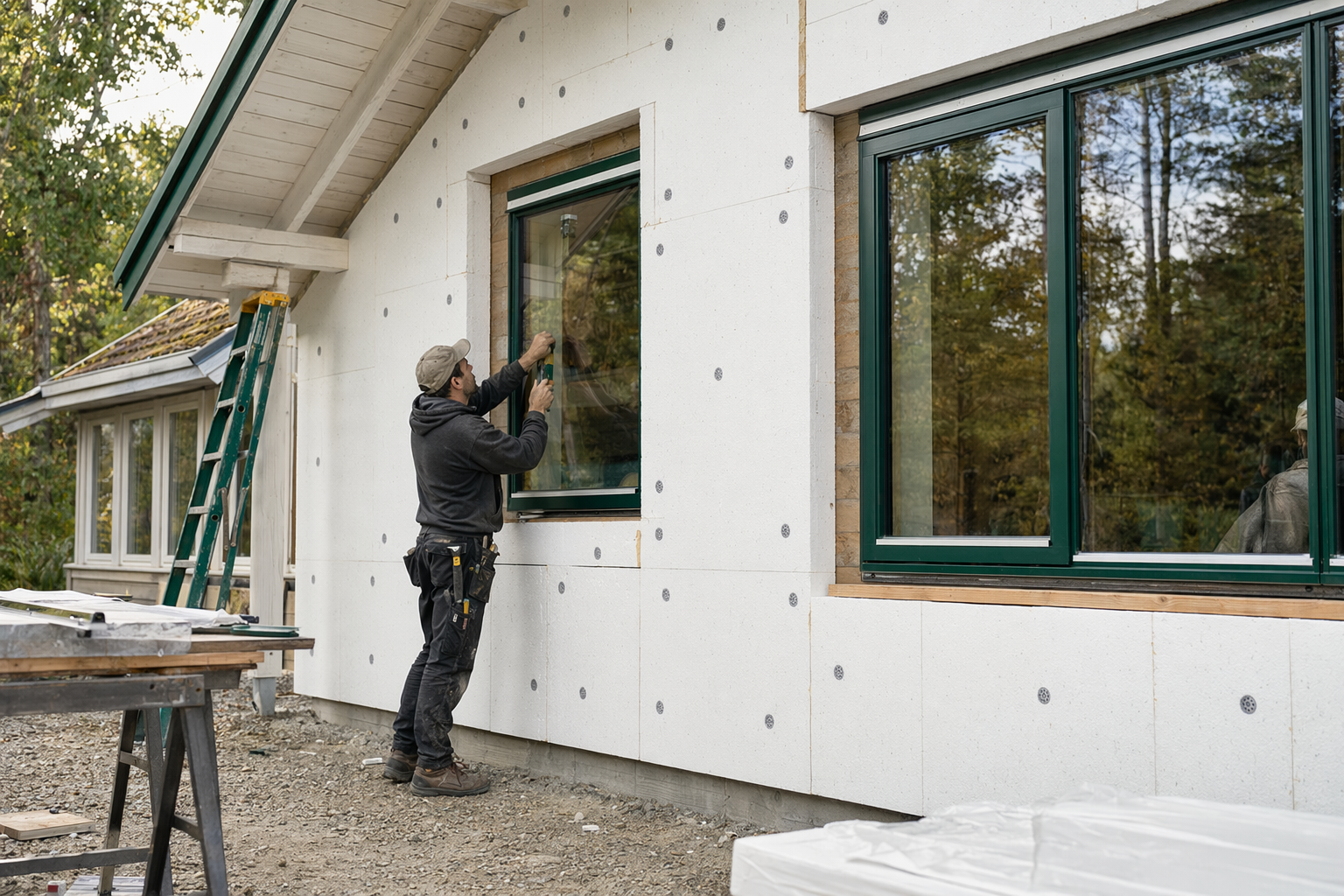
What the term means
A deep energy retrofit is more than replacing one old furnace or adding a little attic insulation. It is a whole-home plan to improve how the house keeps heat in, keeps moisture under control, and delivers fresh air.
In simple words, it means making an older home perform more like a newer high-efficiency home. The work may happen all at once or in carefully planned phases, but the goal is big improvement, not small tune-ups.
Many projects focus on the home's enclosure first. That means the roof, walls, foundation, windows, doors, and the air barrier. After that, the mechanical systems can be chosen to fit the improved home.
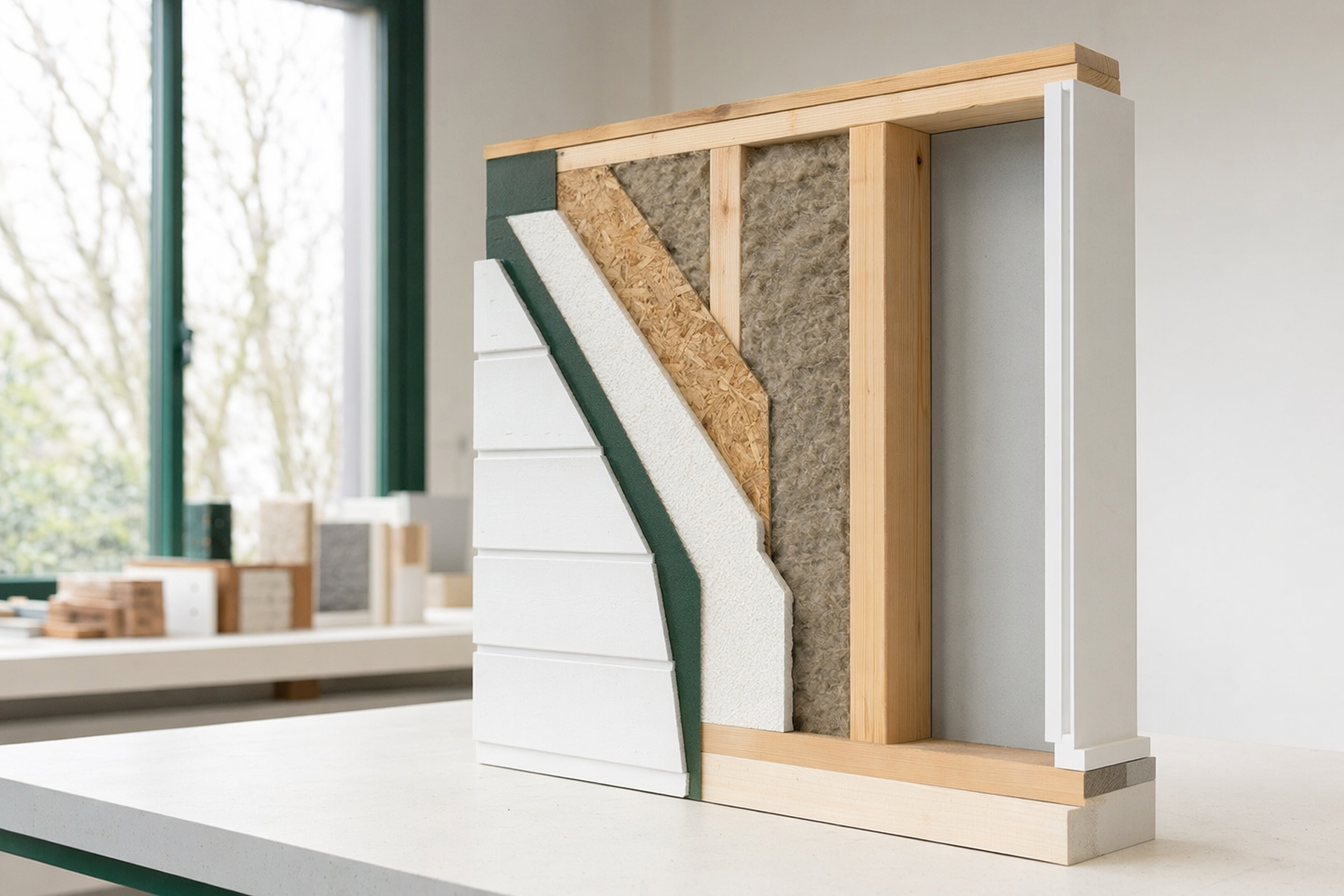
What work is usually included
Each house is different, but deep energy retrofit projects often include a mix of upgrades that support each other.
- Air sealing to reduce drafts and uncontrolled leaks. This is often checked with a blower-door test and measured in ACH.
- Insulation upgrades in the attic, walls, crawlspace, basement, or roof. Builders may talk about R-value.
- Better windows and doors, often discussed with U-factor and SHGC.
- New heating and cooling, such as a properly sized heat pump.
- Balanced fresh-air ventilation, such as an HRV or ERV.
- Moisture control details, drainage fixes, and safer combustion planning.
Some homes also need electrical upgrades, new siding, roofing, or foundation work to support the energy work. If the home has indoor air quality or moisture problems, those should be addressed as part of the plan, not treated as separate issues later.
Why people choose this approach
Homeowners usually consider a deep energy retrofit because their home feels drafty, uneven, noisy, hard to heat or cool, or expensive to operate. Others want to modernize an older home, reduce fossil fuel use, or prepare for future improvements like solar.
A good retrofit can improve comfort, reduce air leaks, and make systems work more smoothly. But results vary by climate, design, existing conditions, installation quality, and how the home is used. No builder should promise exact bill savings or a specific comfort result without careful review.
For some families, a retrofit is also a health and durability project. Better air sealing, controlled ventilation, and moisture management can help create a more stable indoor environment when designed and installed correctly.
How to plan one without making costly mistakes
The biggest mistake is doing major upgrades in the wrong order. For example, installing a large new HVAC system before reducing air leaks and improving insulation can lead to poor sizing and wasted money.
A better path is usually:
- Assess the home's current condition.
- Identify air leakage, insulation gaps, moisture risks, and old equipment.
- Create a whole-home scope.
- Confirm details in writing with a licensed builder.
Ask how the team will verify performance. Useful terms include blower-door testing, ventilation design, insulation levels, window specs, and moisture control details. You can learn more about major home components at /systems/ and explore more guides in /learn/.
EverGrain Built is a free matching service. We help you learn what to ask and compare experienced green custom-home builders near you. You choose who to hire, and you should confirm scope, price, timeline, and licenses in writing. If you want help finding builders, start here: /get-matched/.
Is a deep energy retrofit right for your home
Not every house needs a full deep retrofit. Sometimes targeted upgrades make more sense, especially if your budget is limited or the home is in decent shape already. In other cases, the house may need such extensive work that comparing retrofit versus rebuild is worth discussing.
This decision depends on the age of the home, climate zone, existing insulation, air leakage, moisture issues, layout, and your long-term plans. Historic homes, very small homes, and homes with structural problems often need extra care.
If you are talking to builders, ask them to explain trade-offs in plain language. Ask what they would do first, what can wait, and how they would test the results. If you want help comparing options, see /how-it-works/ or use our free service at /get-matched/.

A deep energy retrofit is a big upgrade plan that makes an existing home much more efficient and better sealed. The key is to treat the house as one system and confirm the work in writing with a qualified builder.
Common questions
Is a deep energy retrofit the same as a remodel?
Not exactly. A remodel may change finishes, layout, or appearance. A deep energy retrofit focuses on how the home performs, especially insulation, airtightness, windows, heating and cooling, ventilation, and moisture control. Some projects include both.
Do I need to do everything at once?
Not always. Some homeowners phase the work over time. But the upgrades should still follow one plan, because each step affects the next. Ask the builder what should be done first and what should be reserved for a later phase.
Will it turn my home into a passive house or net-zero home?
Maybe, but not automatically. A deep energy retrofit can move a home closer to passive-house-style performance or support a future net-zero goal, but those outcomes depend on design, testing, equipment, climate, and many other factors. Do not assume a label or certification unless it is clearly included in the written scope.
How do I find the right builder for this kind of work?
Look for a licensed builder with real experience in high-performance renovations, air sealing, insulation, ventilation, and moisture control. Ask how they test results, how they size heat pumps, and how they handle details at windows, attics, and foundations. EverGrain Built is a free matching and guide service that helps you compare experienced green builders near you.