Learn
Understanding home energy ratings
Home energy ratings are tools that estimate how much energy a home may use. They can help you compare design choices before you build, but they are only one part of the picture, along with good detailing, climate, site, and the builder’s work quality.

What a home energy rating is
A home energy rating is a score or index based on an energy model. The model uses the home’s size, shape, insulation, windows, air sealing, equipment, and local climate to estimate heating, cooling, and other energy use.
In general, a lower score means lower modeled energy use. That can point to a more efficient design. But it does not guarantee your exact utility bills, comfort, or indoor air quality. Real results depend on weather, how the home is built, and how people live in it.
If you are planning a green or passive-style home, a rating can be a helpful guide. It gives your team a way to compare options on paper before construction starts.
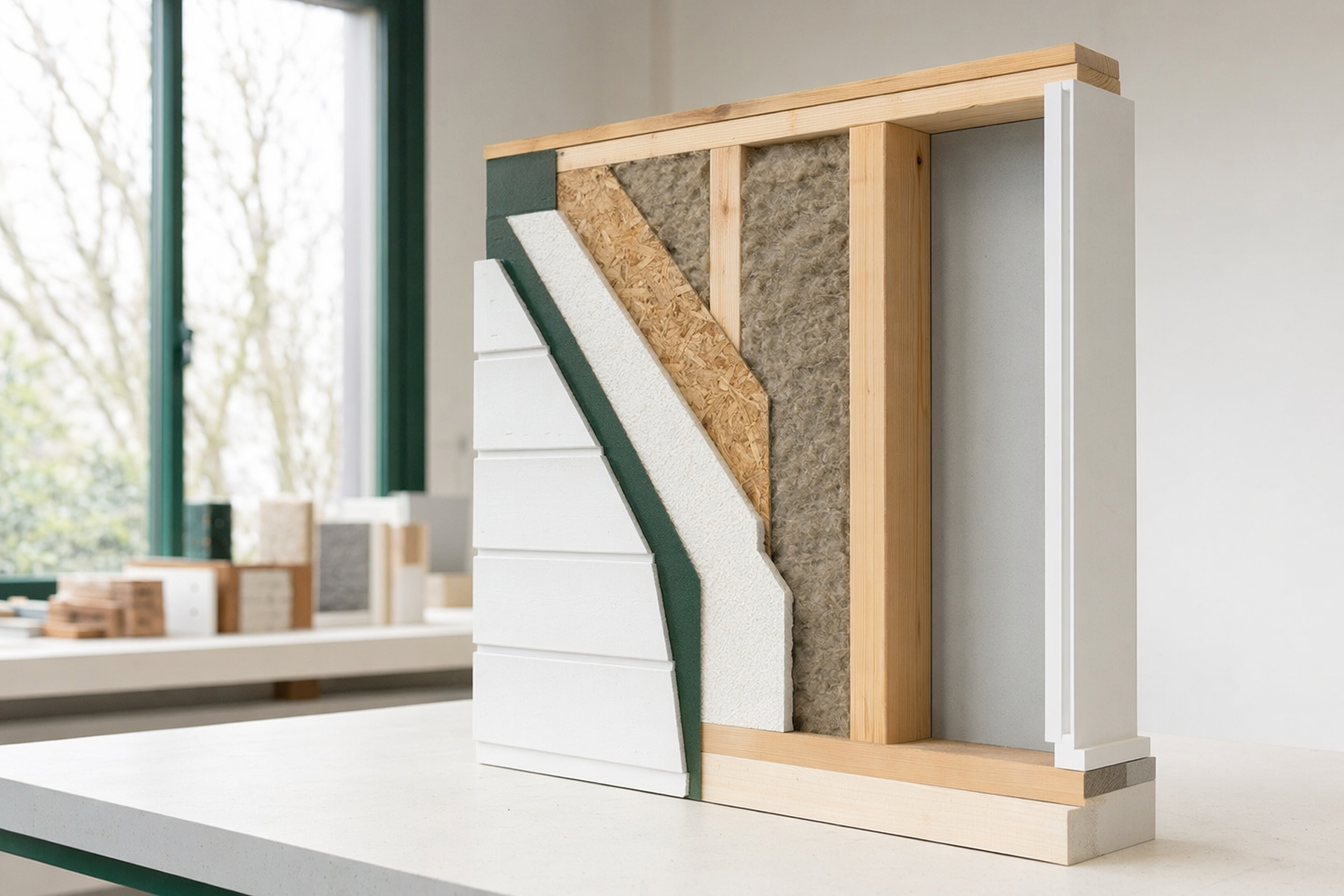
Common ratings and what they tell you
Different programs use different scales. Some homes get a score from a whole-home index. Others may be reviewed against a program target, such as net-zero ready goals or passive-house style performance goals.
Here are a few ideas these ratings often look at:
- Insulation levels, such as wall or roof R-value
- Airtightness, often measured with a blower-door test in ACH
- Window performance, including U-factor and SHGC
- Heating and cooling systems, such as heat pumps
- Ventilation, such as an HRV or ERV
A rating is most useful when you understand what is behind the number. Two homes with similar scores may use different assemblies and systems. Ask your builder or energy consultant to explain the assumptions in plain language.
How energy modeling helps before you build
Energy modeling is often done during design. It lets the team test choices before they become expensive field changes. For example, they can compare better windows, more roof insulation, different wall assemblies, or a smaller HVAC system.
A good process often looks like this:
- Set your goals, such as lower energy use, all-electric design, better comfort, or a path toward net-zero.
- Create an early model using your floor plan, climate, and basic materials.
- Compare design options and update the model as the plans change.
- Confirm in writing what the builder will include, install, and test.
This is one reason to involve an experienced green builder early. If you want help finding one, EverGrain Built is a free matching service. We help you compare builders near you at /get-matched/.
What ratings do not tell you
A rating is helpful, but it is not the whole story. A great score on paper does not fix poor flashing, missing air sealing, or weak humidity control. Build quality still matters a lot.
Ratings also do not tell you everything about durability, low-tox materials, noise control, or future maintenance. They may not fully capture how your site, shade, orientation, and family habits affect performance.
That is why homeowners should ask for more than a score. Ask how the home will manage air, heat, water, and moisture. Ask what testing will be done, such as blower-door testing and system commissioning. You can learn more about high-performance parts of a home at /systems/ and in our /learn/ guides.
How to use ratings when comparing builders
Use energy ratings as one comparison tool, not the only one. A careful builder should be able to explain what target they are building to and how they plan to get there.
Ask simple questions:
- What rating or performance target are you proposing?
- Who does the energy model, and when?
- Will you do a blower-door test and share the results?
- What windows, insulation, and ventilation system are included?
- What is included in the written scope, and what costs extra?
Always confirm scope, pricing, testing, and change-order rules in writing with the licensed builder you hire. EverGrain Built does not build homes or set prices. We are a free guide and matching service that helps you compare experienced green custom-home builders. You can also review the process at /how-it-works/.

A home energy rating is a useful guide, not a promise. Use it to compare design choices and builders, then get the final scope, testing, and price in writing from the licensed builder you choose.
Common questions
Does a lower home energy score mean my utility bills will be low?
It can suggest lower modeled energy use, but it does not promise a certain bill. Actual bills depend on climate, energy prices, your design, how the home is built, and how your household uses the home.
Is a home energy rating the same as a certification?
Not always. A rating is usually a score or modeled result. A certification is a separate program with its own rules, inspections, and documentation. Ask what standard is being used and what is actually included in your contract.
Can I get a strong energy rating without building a full passive house?
Yes. Many homes improve performance with better insulation, good air sealing, efficient windows, balanced ventilation, and right-sized heat pumps. The best mix depends on your climate, site, budget, and goals.
When should energy modeling happen?
Early is best. Modeling during design gives you more room to compare options before construction starts. It is harder and often more costly to make major efficiency changes after plans and pricing are already far along.