Learn
How a heat pump is sized for an efficient home
A heat pump should be sized to match your home’s real heating and cooling needs, not picked by rule of thumb. In an efficient home, good insulation, air sealing, windows, and ventilation all affect that number, so proper sizing matters for comfort, moisture control, and energy use.
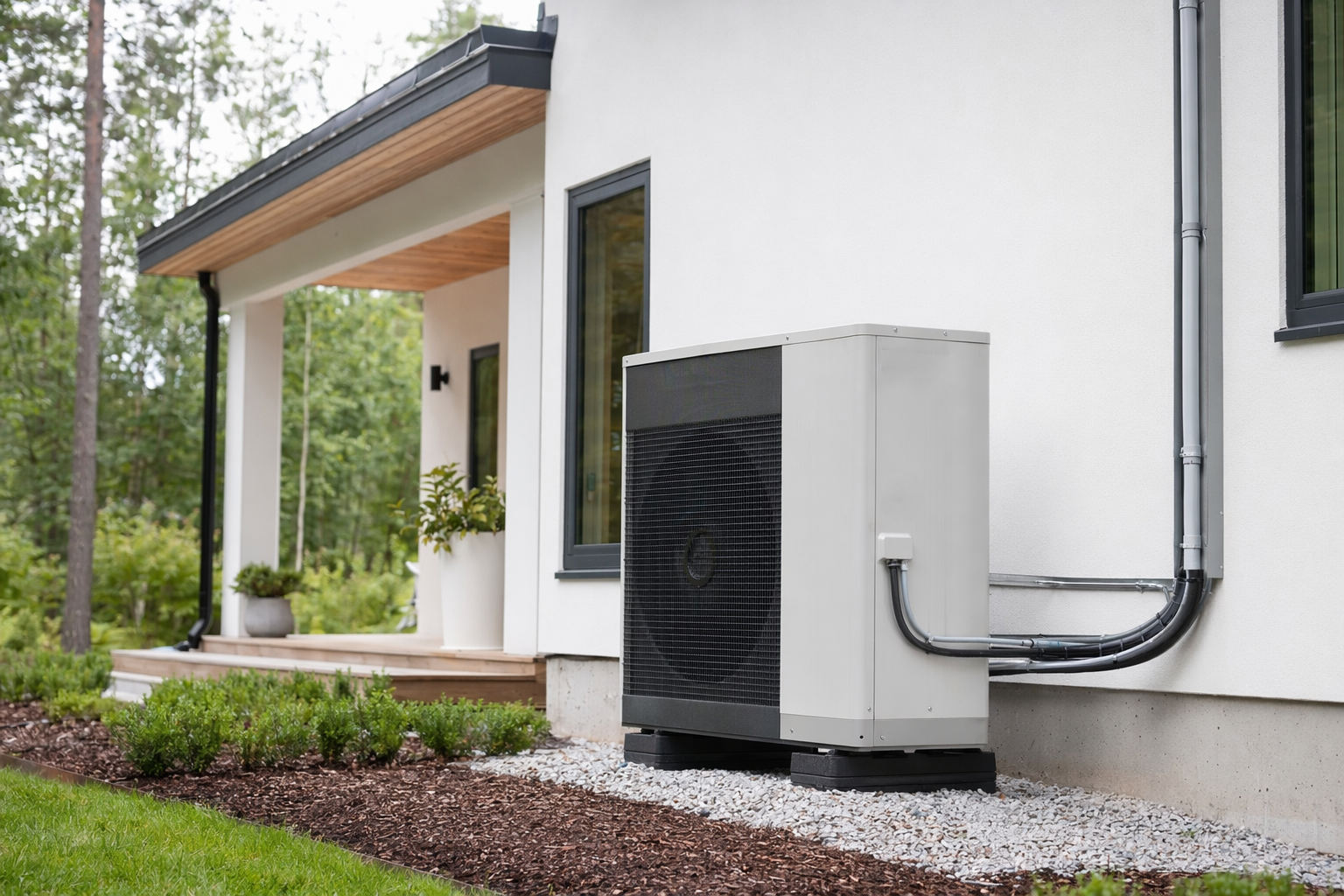
Why heat pump sizing matters
A heat pump that is too large or too small can cause problems. Bigger is not always better. In many homes, an oversized unit turns on and off too often. That can reduce comfort and make humidity harder to control in cooling season.
A unit that is too small may struggle during very hot or very cold weather, depending on your climate and the home design. Some systems use backup heat for extreme conditions, but that should be part of the plan, not a surprise.
In a high-performance home, the heating and cooling load is often lower than people expect. That is why a builder or HVAC designer should calculate the load after key parts of the home are known, not guess from square footage alone.
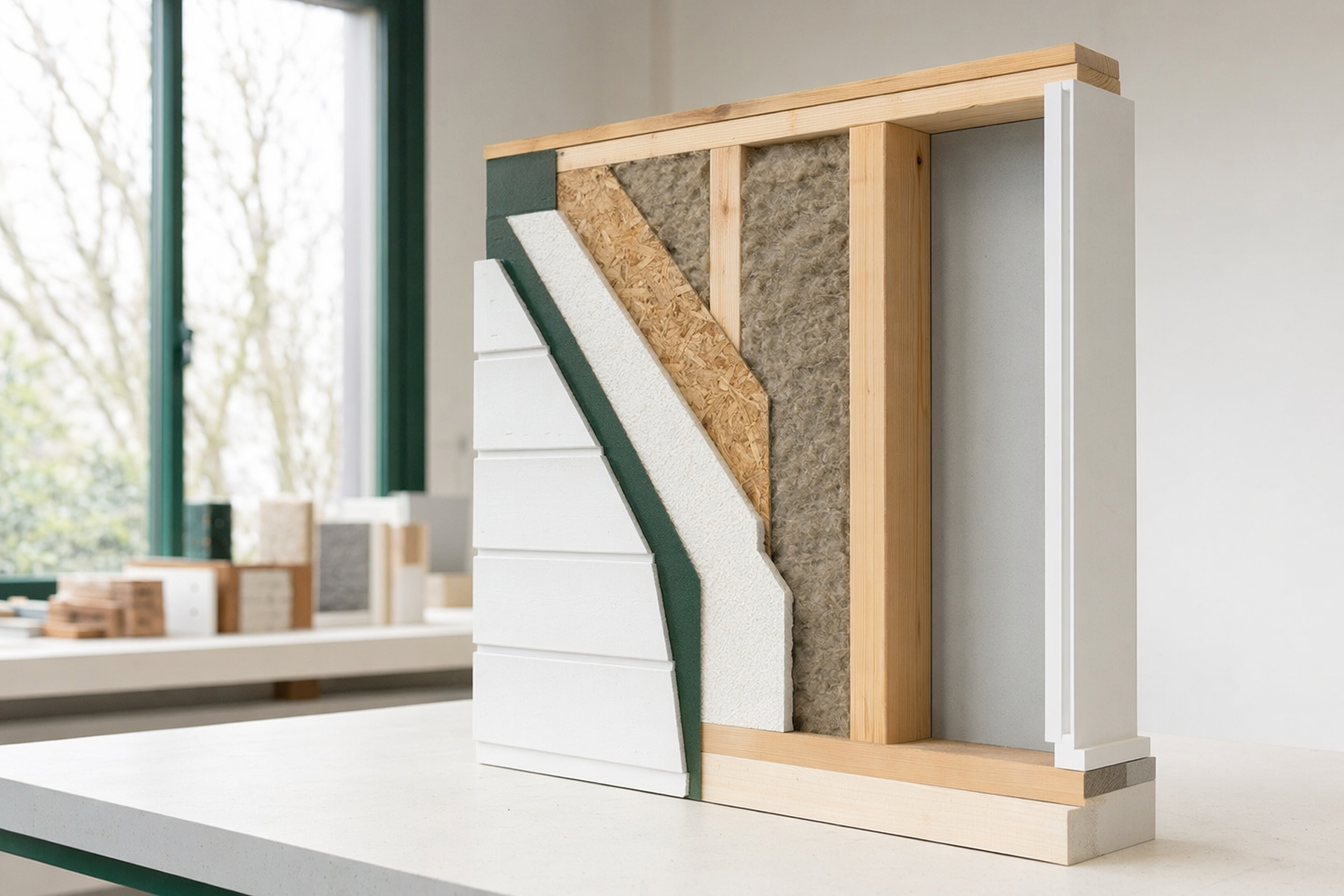
What information is used to size it
Proper sizing starts with a load calculation. In the US, this is often based on Manual J or similar methods. The goal is to estimate how much heat the home loses in winter and gains in summer.
The calculation should use real details about the house, such as:
- climate and local design temperatures
- square footage and ceiling height
- insulation levels, such as wall and roof R-value
- window size, orientation, U-factor, and SHGC
- air leakage and expected airtightness
- shading, ducts, and ventilation equipment such as an HRV or ERV
This is one reason efficient homes need careful planning. If the enclosure improves, the heating and cooling load can drop. Learn more about the full house approach on /systems/ and other topics in /learn/.
Why efficient homes often need smaller equipment
An efficient home loses less heat in winter and gains less heat in summer. Better insulation, better windows, and tighter air sealing reduce the work the heat pump has to do. That often means a smaller system can handle the job.
A blower-door test helps show how airtight the home is. Airtightness is often discussed in ACH, or air changes per hour. Lower leakage can reduce drafts and help the heat pump perform more steadily, but fresh air still matters, which is why many efficient homes use balanced ventilation like an HRV or ERV.
The equipment also depends on the system type. A ducted heat pump, ductless mini-splits, or a multi-zone setup may be sized and laid out differently. The right answer depends on the home design, room layout, and climate.
What to ask your builder or HVAC designer
You do not need to do the math yourself, but you should ask good questions. Ask for the sizing method and what home details were included.
- Was a room-by-room load calculation done, or just a rough estimate?
- What insulation, window specs, and airtightness assumptions were used?
- What outdoor design temperature was used for our location?
- Will the home have an HRV or ERV, and was that included?
- Is there backup heat, and when would it be expected to run?
- Can you show the equipment capacity at low outdoor temperatures, not just the label size?
Also ask for scope and price in writing from any licensed builder or HVAC contractor you consider hiring. If you want help finding experienced teams, EverGrain Built is a free matching service. You can get matched and compare local pros yourself.
Common sizing mistakes to avoid
A few mistakes show up again and again. The first is sizing by square foot only. Two homes with the same size can have very different loads because of climate, windows, insulation, shading, and airtightness.
Another mistake is sizing the heat pump before the home design is settled. If window area changes, insulation changes, or air sealing improves, the load can change too. Equipment should fit the final plan as closely as possible.
A third mistake is looking only at peak heating or cooling without thinking about comfort through the rest of the year. Good design includes equipment selection, duct layout if used, controls, ventilation, and installation quality. If you are early in planning, see /how-it-works/ to understand how our free guide service can help you compare builders.

A heat pump should be matched to your actual house, not guessed from size alone. In an efficient home, better insulation, airtightness, windows, and ventilation often change the number a lot.
Common questions
Can my heat pump be too big for an efficient home?
Yes. In some homes, an oversized system can short cycle, which means it turns on and off too often. That can affect comfort and humidity control. Proper sizing is based on a load calculation, not just choosing the biggest unit.
Is heat pump size based only on square footage?
No. Square footage is only one part of the picture. Insulation, airtightness, windows, climate, orientation, shading, ventilation, and room layout all matter. A careful builder or HVAC designer should use detailed home information.
Do passive or green homes always need very small heat pumps?
Often the loads are lower, but not always the same from one home to another. Climate, glass area, shading, and design choices can change the answer. A high-performance home may use smaller equipment than expected, but the final size should come from calculations for that specific home.
Can EverGrain Built size my heat pump or tell me what brand to buy?
No. EverGrain Built is not a builder, architect, or contractor. We are a free matching and guide service that helps you find experienced green custom-home builders near you. You compare who to hire, and you should confirm scope, equipment, and price in writing with a licensed builder or HVAC professional.