Learn
How to make a new build solar-ready
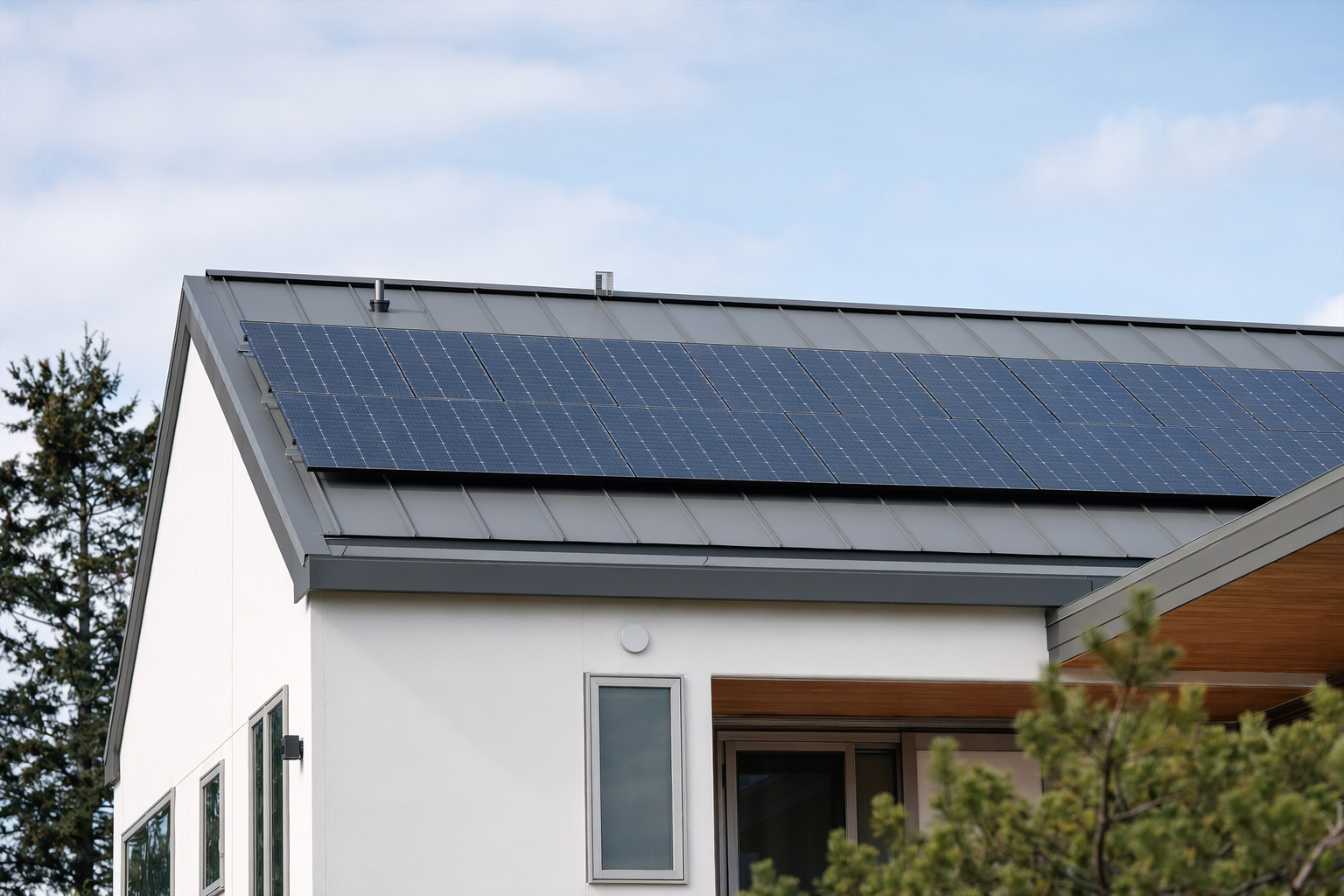
A solar-ready home is planned so adding solar panels later is easier, safer, and less costly to organize. It does not mean you must install solar now. It means your roof, electrical system, and home design leave a clear path for it if you choose it later.
What solar-ready means
A solar-ready new build has a few important things planned in advance. The roof has a good area for panels. The electrical system has space for a solar breaker. There is a route for wiring from the roof to the electrical panel. The home is also designed to use energy wisely.
Solar-ready is not the same as net-zero, and it is not a promise about savings. Your results depend on your climate, utility rules, shading, roof shape, panel size, and the equipment you install later.
If you are early in planning, it also helps to learn the bigger picture at learn and compare home systems at systems.
Start with the roof and site
The best time to plan for solar is before the roof is framed. Roof shape, direction, pitch, and shade all affect how useful solar may be later. A simple roof with a large open area is often easier than a roof with many hips, dormers, vents, and small sections.
Ask your builder and designer to think about these basics:
- A roof area with long sun exposure and limited shade from trees, chimneys, or nearby buildings
- Enough open space for future panels, pathways, and roof safety access
- Roof material and details that work well with future solar mounting
- A structure that can support the planned roofing and any future solar equipment, confirmed by the builder or engineer
If your lot has heavy shade or a complicated roof, solar may still be possible. It may just need a different layout, a smaller system, or a different financial decision later.
Plan the electrical work now
A home can look solar-ready from the outside but still be hard to upgrade if the electrical planning is missing. This is why early coordination matters.
Ask the builder and electrician about:
- Main panel space. Is there room for a future solar breaker, or should the panel be sized up now?
- Conduit path. Can they install conduit or a clear chase from the roof area to the electrical panel or equipment area?
- Equipment location. Is there wall space for future inverter or related equipment, if needed?
- Battery future. If you may want battery backup later, is there space and a rough plan for that too?
You should also ask what local code and utility rules apply in your area. Requirements vary. Confirm the scope and price in writing with the licensed builder you hire.
A lower-energy home makes solar work better
The easiest watt to make is the watt you do not need. If your home uses less energy, a future solar system may cover a larger share of that use. That is why solar-ready planning fits well with green building.
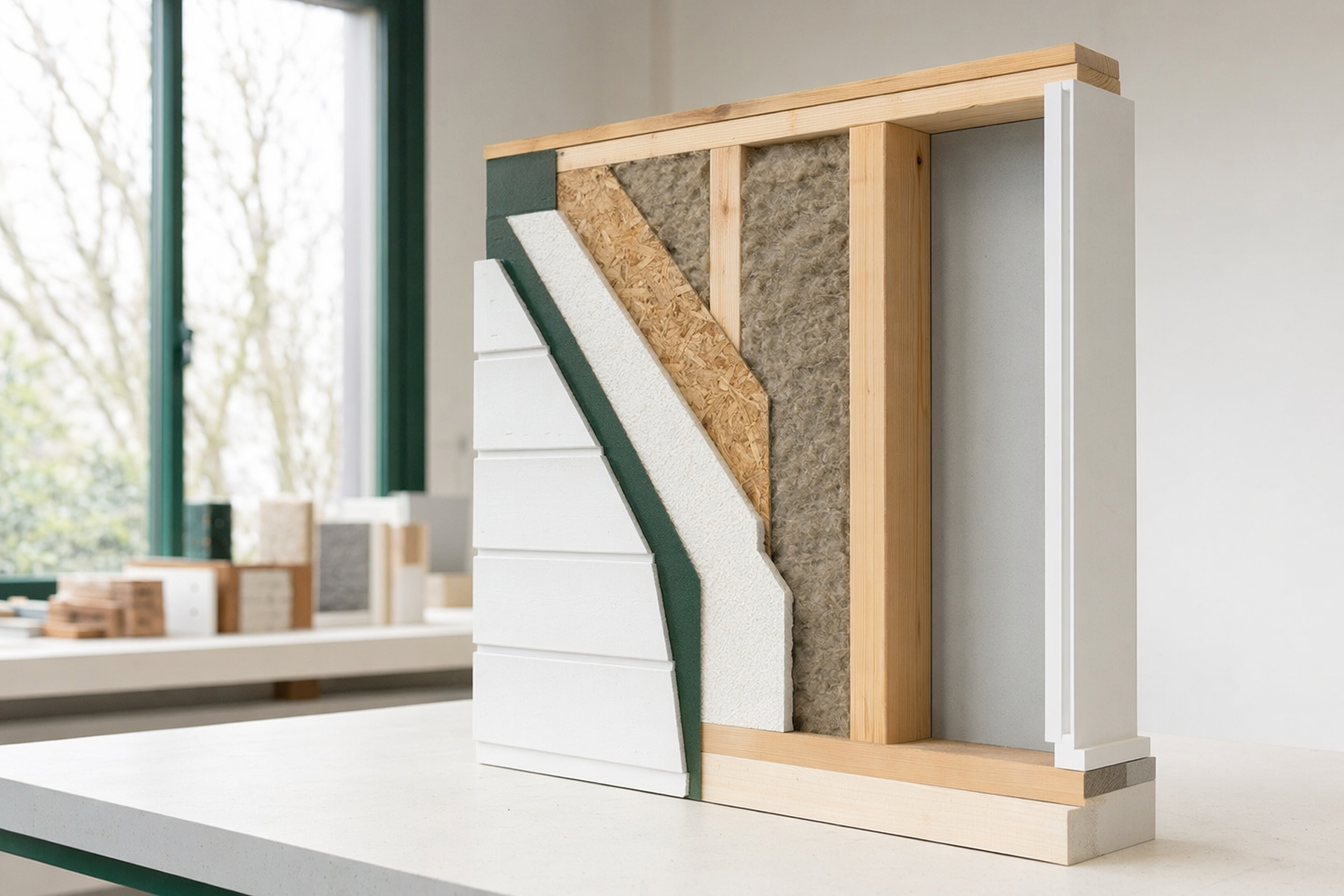
Talk with your builder about a good enclosure and efficient systems, such as better insulation, low air leakage, quality windows with the right U-factor and SHGC for your climate, balanced ventilation like an HRV or ERV, and efficient heating and cooling such as a heat pump. A blower-door test can help show how airtight the home is.
These steps do not guarantee a certain bill or comfort level. But they often make the home more efficient and may reduce the size of the solar system needed later. If you want help finding builders who understand this whole package, use our free get matched service.
Questions to ask a green builder
You do not need to know every technical detail before you talk to builders. A short, clear list of questions can help you compare teams.
Ask questions like these:
- Have you built solar-ready homes before?
- How will you protect a good roof area for future panels?
- Will you include a conduit path from the roof to the electrical area?
- Is the electrical panel sized for future solar, and possibly batteries?
- How do you coordinate roof layout, vent placement, and mechanical equipment so they do not block future panels?
- What energy features do you recommend so the home needs less power in the first place?
- What will be included in the contract drawings and specifications?
EverGrain Built is a free matching and guide service. We are not the builder. You compare builders, ask questions, and choose who to hire. You can also review planning steps at how it works and budget topics at costs.

Plan the roof, wiring path, and electrical panel before the house is built. A home that uses less energy first is usually a better candidate for solar later.
Common questions
Do I need to install solar panels during construction?
No. Solar-ready means you plan ahead so adding solar later is simpler. Some homeowners install panels right away. Others wait until budget, utility rules, or equipment choices make sense for them.
Is a south-facing roof required?
Not always. Roof direction matters, but it is not the only factor. Shade, roof size, local climate, utility rates, and panel layout also matter. A builder or solar installer can review your site and explain the tradeoffs.
Will a solar-ready home cost more?
It can add some planning or upgrade costs, depending on what you include. For example, a larger electrical panel, conduit, or roof design changes may affect price. The only safe approach is to ask for the scope and price in writing from the licensed builder you are considering.
Can a passive or energy-efficient home still be solar-ready?
Yes. In fact, they often fit together well. A home with better insulation, airtightness, windows, ventilation, and efficient equipment may need less energy, which can make future solar planning easier. But there is no guaranteed outcome, and the right design depends on your climate, site, and goals.