Learn
How ventilation improves indoor air quality
Good ventilation helps bring in fresh air and move stale air out. In a tighter, energy-efficient home, that matters even more because the house does not leak as much air on its own.
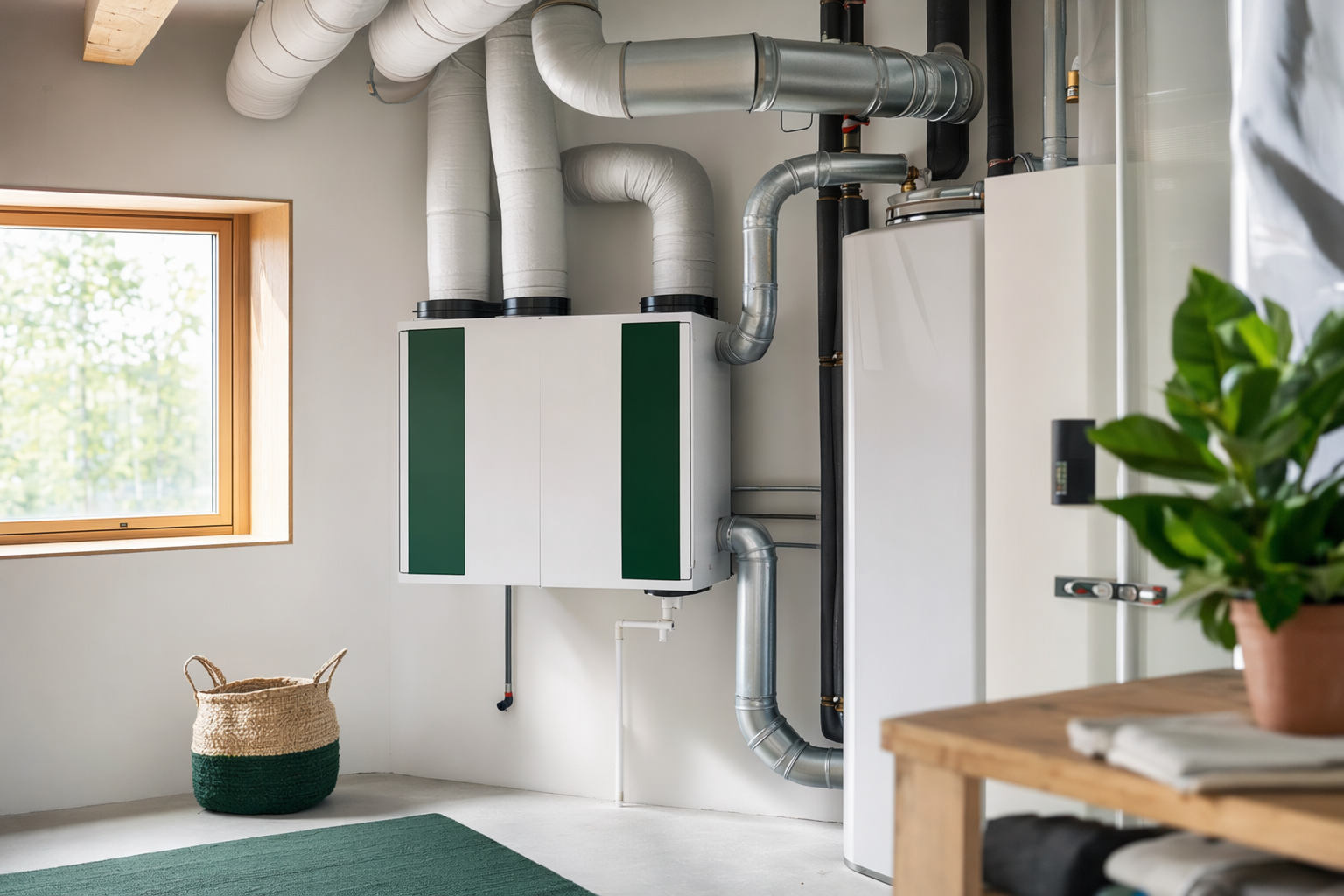
Why ventilation matters in a home
People, pets, cooking, showers, cleaning products, and furniture all affect indoor air. Without enough fresh air, smells and moisture can stay trapped longer.
A newer green home often has better air sealing and insulation. That is good for energy use, but it also means the home needs a clear plan for fresh air.
Good ventilation can help reduce indoor pollutants and manage humidity. It also helps the home feel less stuffy.
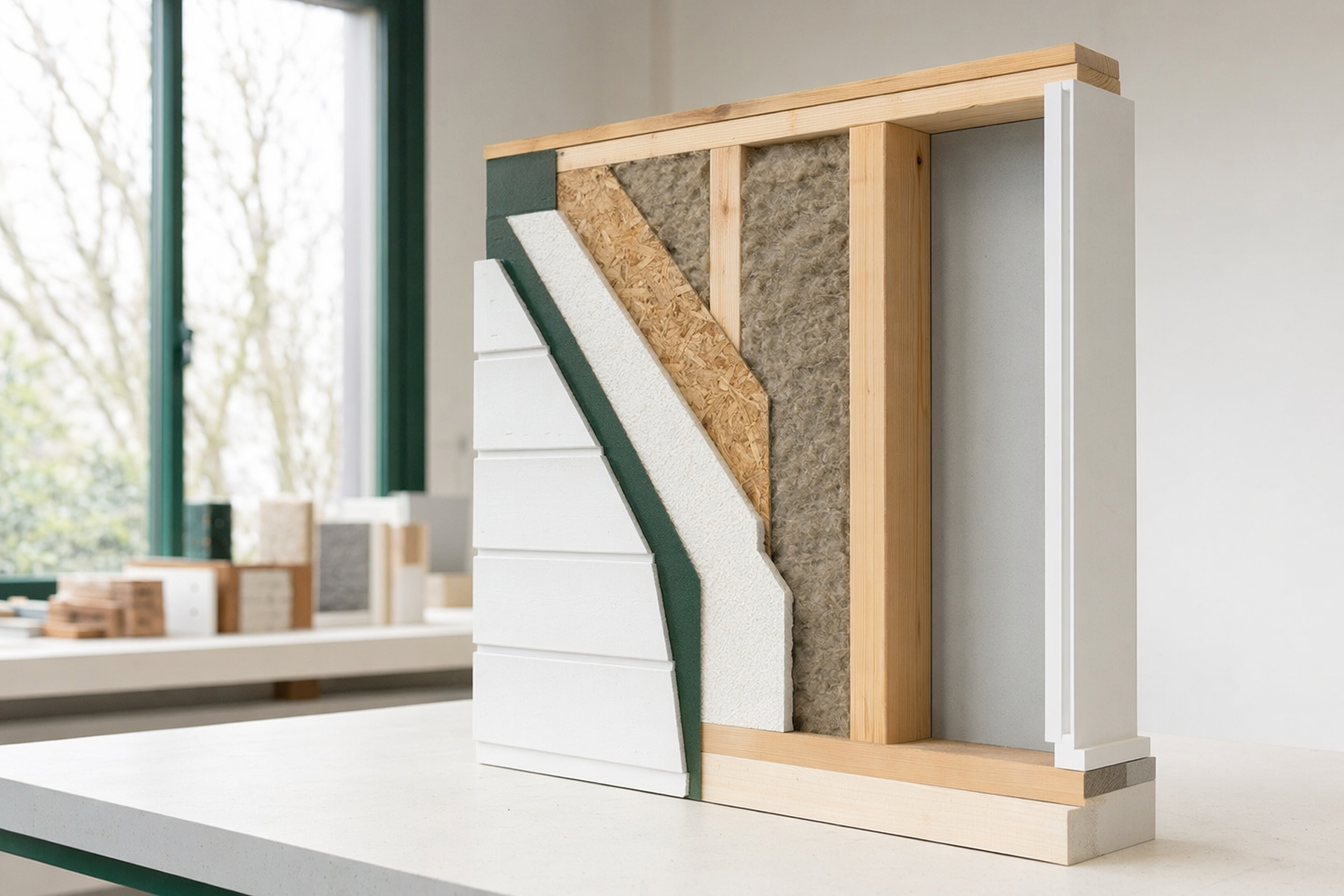
Natural ventilation vs mechanical ventilation
Opening windows can help on mild days. Bathroom fans and range hoods also remove some air from specific rooms. But these steps are not always enough, and they do not give steady fresh air all year.
Mechanical ventilation means the home has equipment designed to bring in outdoor air and move out stale indoor air in a controlled way. This is common in high-performance and passive-style homes.
Common examples include:
- Exhaust-only systems that pull air out
- Supply-only systems that bring air in
- Balanced systems that do both
- HRV or ERV systems that exchange stale and fresh air while reducing energy loss
A green builder can explain which approach fits your climate, layout, and budget. You can also learn more about home systems and how they work together.
How HRVs and ERVs help
An HRV, or heat recovery ventilator, and an ERV, or energy recovery ventilator, are common options in energy-efficient homes. Both are balanced systems. They bring in fresh air and send stale air out at the same time.
These systems transfer some heat between the outgoing and incoming air. An ERV also helps transfer some moisture. That can help with humidity control in some climates, but the right choice depends on local weather and the home design.
They do not replace a good kitchen hood or bathroom fan. Those still matter for removing moisture, odors, and pollutants at the source.
Ask the builder what airflow rates they plan, where fresh air will be supplied, and how the system will be commissioned and maintained. If you are early in planning, get matched for free and compare builders who have experience with green homes.
What to ask a builder about indoor air quality
It helps to ask simple, clear questions before you sign a contract. The goal is not to memorize technical terms. The goal is to understand the plan.
- What ventilation system do you recommend, and why?
- Will the home get a blower-door test for airtightness, and what ACH target are you aiming for?
- How will you handle kitchen exhaust, bath fans, and fresh-air delivery?
- What filters will the system use, and how often do they need to be changed?
- How will you manage humidity and reduce the risk of condensation or mold?
You can also ask about windows, insulation, and HVAC sizing. Items like U-factor, SHGC, R-value, heat pumps, and air sealing all affect comfort and air quality together. See more guides in our learn section.
Ventilation is one part of a healthy, efficient home
Ventilation works best when the whole house is planned as a system. Air sealing, insulation, windows, shading, moisture control, and HVAC all affect how the home feels and performs.
A tighter home without a ventilation plan can have air quality problems. A ventilation system without good air sealing can also waste energy. Balance matters.
EverGrain Built is a free matching service. We help you compare experienced green custom-home builders near you. You choose who to hire, and you should confirm scope, equipment, and price in writing with a licensed builder. If you want help getting started, visit how it works or get matched.

A tight, energy-efficient home needs a good fresh-air plan. Mechanical ventilation helps bring in outdoor air in a more controlled way, but the right setup depends on your home and climate.
Common questions
Do I need mechanical ventilation if I can open windows?
Maybe, but many energy-efficient homes still benefit from mechanical ventilation. Windows are helpful, but they depend on weather, noise, outdoor air conditions, and whether people remember to open them. A mechanical system gives more consistent fresh air.
Will ventilation lower my energy bills?
It can help a well-designed home run more efficiently, especially with balanced systems like HRVs or ERVs, but results vary. Energy use depends on climate, home size, airtightness, equipment, and how the system is designed and operated.
What is the difference between an HRV and an ERV?
Both bring in fresh air and remove stale air. An HRV transfers heat. An ERV transfers heat and some moisture. The better choice depends on your climate, humidity conditions, and the builder's overall plan.
Can ventilation fix mold or bad odors by itself?
Not always. Ventilation helps, but it is only one part of the solution. Source control matters too, like using a vented range hood, fixing leaks, managing humidity, and choosing durable materials. Ask the builder how they plan to handle moisture, air sealing, and exhaust at the source.