Learn
How long until a green home pays off?
A green home can pay you back in more than one way. Lower energy use may help with monthly bills, but comfort, indoor air quality, durability, and resale value can matter too. The timeline depends on your climate, design choices, utility rates, incentives, and the price you agree on with your builder.
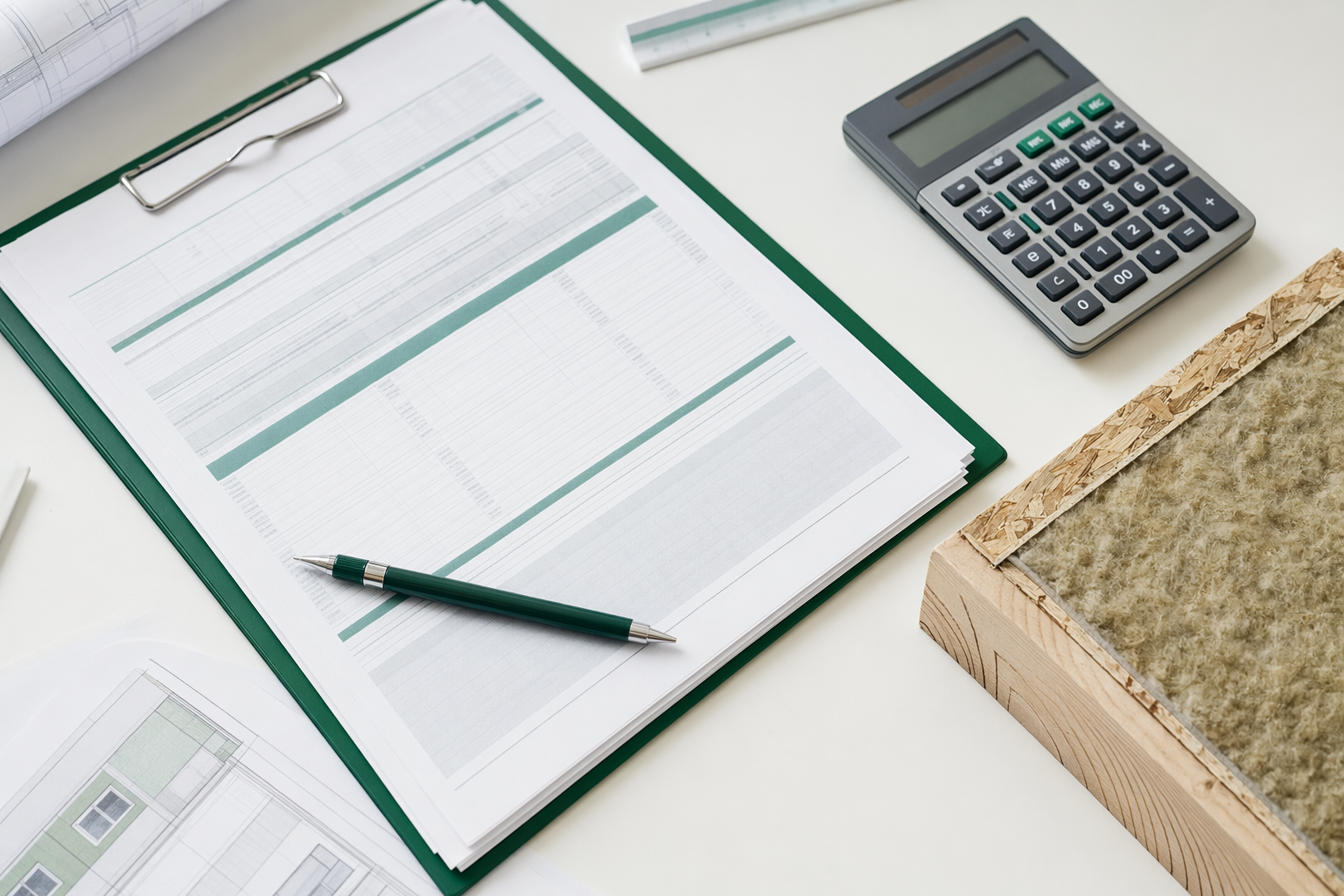
There is no one payback timeline
Many homeowners want a simple answer like 5 years or 10 years. Real life is not that simple. A green home is a bundle of choices, not one product. Some upgrades may have a shorter payback. Others may take longer, or may never fully pay back in utility savings alone.
The result depends on where you live, how big the home is, how you use it, local energy prices, and how the house is designed and built. A well-shaped home with good air sealing and insulation often performs differently than a large home with lots of glass, even if both use similar equipment.
It also matters what you count as a benefit. Some families care most about lower bills. Others care about fewer drafts, better humidity control, quieter rooms, or cleaner indoor air. Those benefits are real, but they do not always fit into a simple payback formula.
What "pays off" can mean
For some people, payback means monthly savings on heating, cooling, and hot water. For others, it means a home that feels better to live in. A tighter, better-insulated home with good ventilation may reduce temperature swings and outdoor noise. A right-sized heat pump may also lower maintenance compared with more complex systems, but that depends on the equipment and service available in your area.
Here are common ways homeowners think about payback:
- Lower energy use over time
- Better comfort in hot and cold weather
- Healthier indoor air with an HRV or ERV
- Less risk of moisture problems when details are done well
- Better durability from good design and careful installation
- Possible resale appeal in some markets
A builder can help estimate energy use, but estimates are still estimates. Ask what assumptions were used, and get the scope in writing. If you want help finding builders who work on high-performance homes, get matched through our free service.
Which upgrades often affect payback most
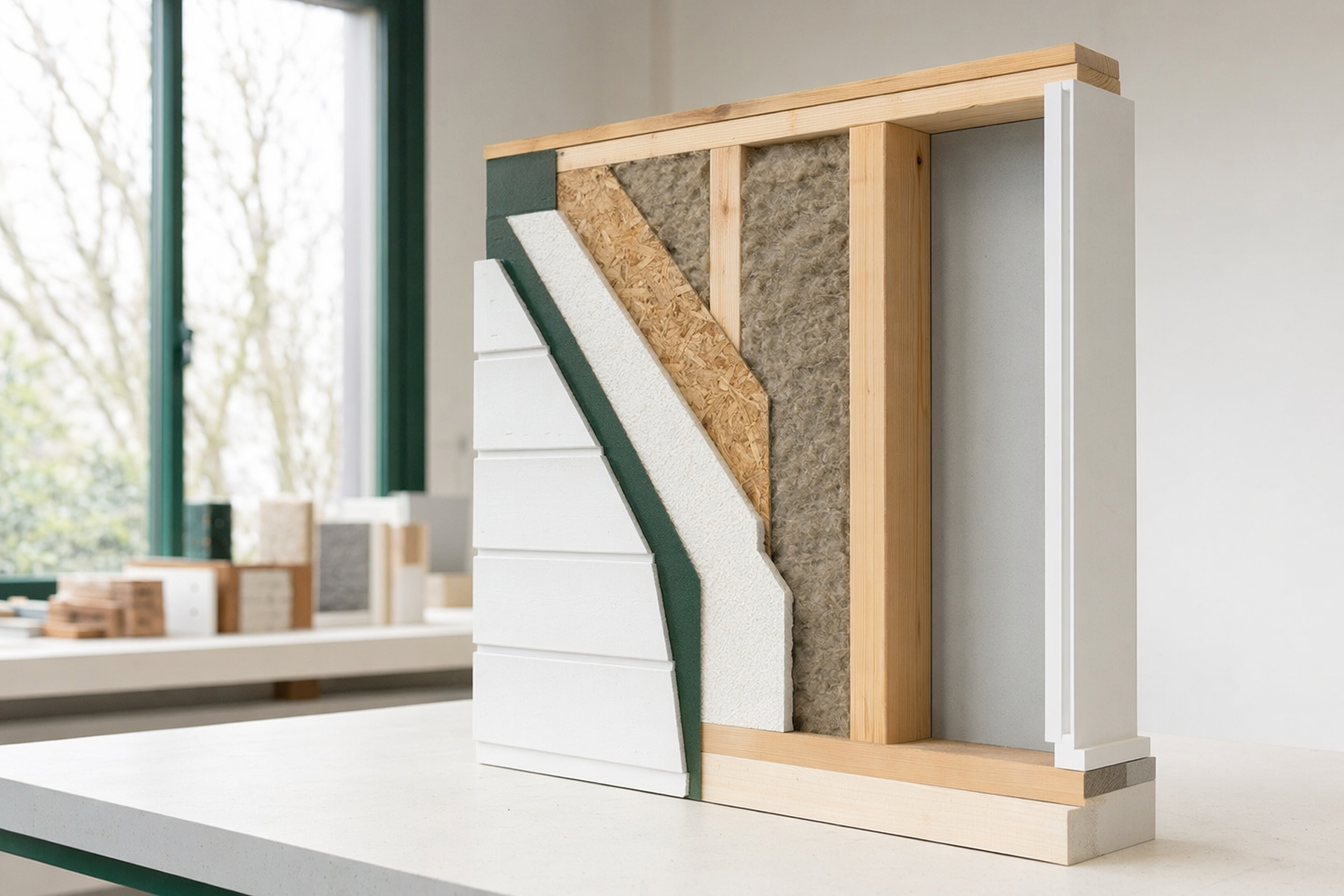
Not every green feature has the same impact. In many homes, the biggest long-term value comes from the basic shell. That includes insulation, air sealing, windows, and careful detailing around moisture. These parts are hard to change later, so many homeowners choose to invest there first.
Good questions to ask about the shell include insulation R-value, window U-factor and SHGC, and the target for airtightness, often measured with a blower-door test in ACH. Better airtightness without planned ventilation is not enough by itself. A tight home should also have fresh-air ventilation, often with an HRV or ERV.
Mechanical systems matter too. A high-efficiency heat pump, heat-pump water heater, and good duct design can reduce energy use. Solar can help in some projects, but it usually works best after the home first reduces demand through the envelope and efficient systems. Learn more about systems and costs if you are comparing options.
How to compare the cost with the value
A better question than "When does it pay off?" is often, "What am I getting for the extra money?" Ask each builder to separate must-have items from nice-to-have items. This makes it easier to compare choices and avoid paying more for features that do not match your goals.
Use a simple checklist when you compare proposals:
1. What is included in the base price?
2. What insulation levels and window specs are included?
3. What airtightness target will the builder aim for?
4. Is a blower-door test included?
5. What ventilation system is included, HRV or ERV?
6. What heating and cooling system is planned?
7. Are any rebates or tax credits assumed?
8. What is excluded from the price?
Always confirm final scope, price, and responsibilities in writing with a licensed builder or contractor. EverGrain Built is a free matching and guide service. We do not build homes or set prices. You compare and choose who to hire.
Focus on the right first steps
If your budget is limited, start with the parts that are hardest to fix later. A compact design, good orientation, strong air sealing, right-sized insulation, better windows, and planned ventilation often form the foundation of a green or passive-style home. Then look at equipment choices and renewable energy.
You do not need the most extreme version of every feature to build a better home. Many families aim for a practical high-performance home instead of a formal certification. Others want to plan for net-zero readiness over time. The best path depends on your site, climate, and budget.
If you want help talking with builders about these choices, see how it works or get matched. Our service is free. We help you find experienced green custom-home builders near you, then you compare and decide.

A green home may pay off in bills, comfort, air quality, and durability, but the timeline is different for every home. Ask builders for clear written specs, simple upgrade options, and honest assumptions.
Common questions
Can a green home pay off only through lower utility bills?
Sometimes a big part of the value is lower energy use, but not always. Many owners also care about comfort, quieter rooms, indoor air quality, and durability. Those benefits can matter a lot even if the utility-bill payback is long.
Is a passive home always worth the extra cost?
Not always. A passive-style approach can bring strong comfort and low energy demand, but the added cost and benefit vary by climate, design, site, and builder experience. Ask for clear options and pricing in writing so you can compare.
Should I add solar first or improve insulation first?
Often it makes sense to reduce energy demand first with air sealing, insulation, windows, and efficient equipment. After that, solar may make more sense. The best order depends on your home design, roof, budget, and local incentives.
How do I know if a builder really understands green building?
Ask specific questions. What blower-door target do they aim for? What insulation levels are included? What window specs do they use? Do they install HRV or ERV systems? Can they explain moisture control, heat pumps, and how they size equipment? If you want help finding experienced builders, EverGrain Built offers a free matching service.