Learn
Green building in hot, humid climates
Hot, humid weather changes how a home should be built. A green home in this climate needs to control heat, sun, air leaks, and moisture at the same time, not just add more insulation.
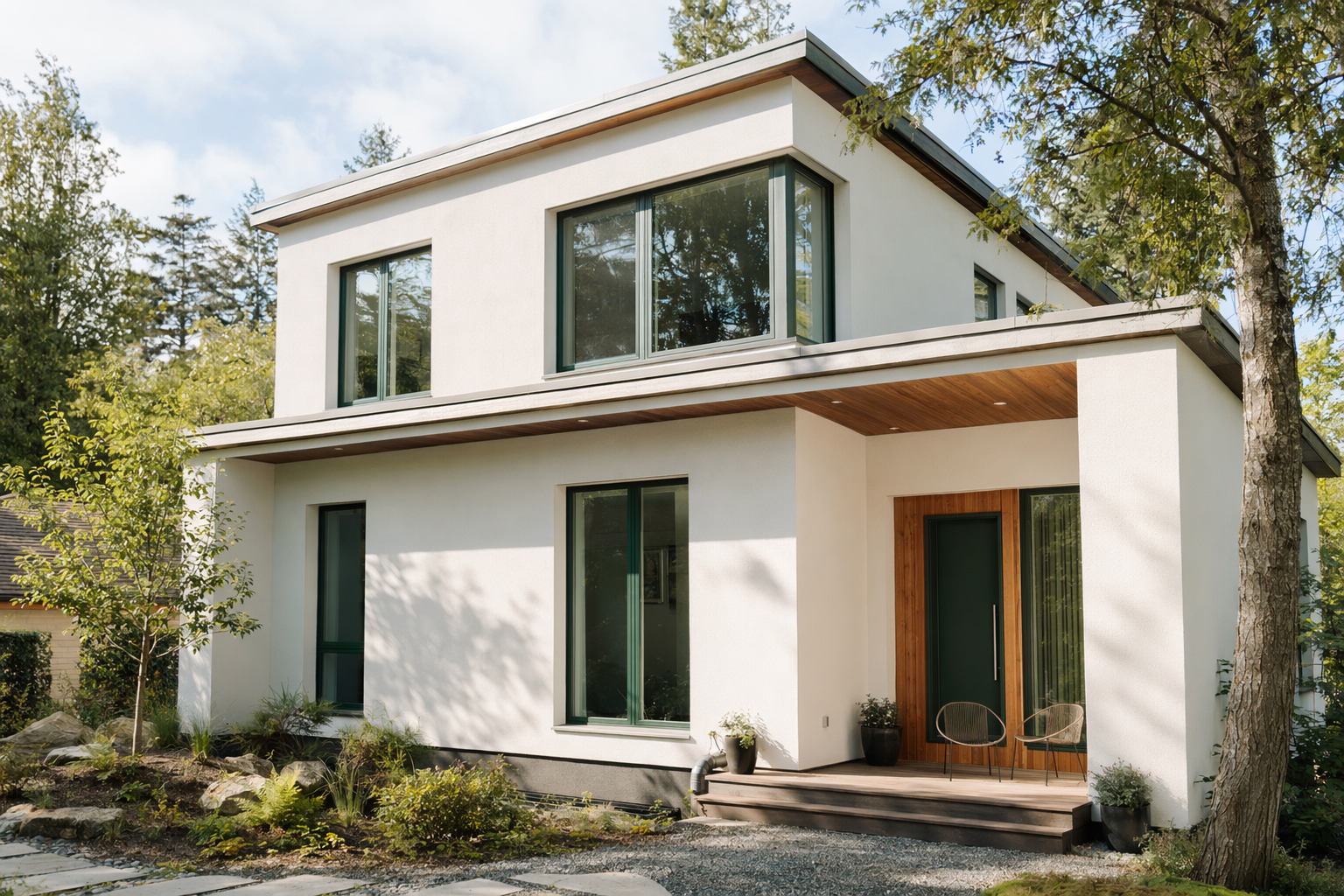
What green building means in a hot, humid climate
In hot, humid parts of the US, a green home is designed to stay comfortable with less wasted energy and better moisture control. That usually means a good building shell, careful air sealing, efficient cooling, smart shading, and fresh-air ventilation that fits the climate.
A home here should do two jobs well. It should keep outdoor heat out, and it should keep indoor moisture under control. If either part is weak, you may get rooms that feel sticky, uneven temperatures, mold risk, or higher utility bills.
If you are early in planning, it helps to learn the basics before talking with builders. Start with /systems/ and then compare local pros through our free matching service. You choose who to speak with and who to hire.
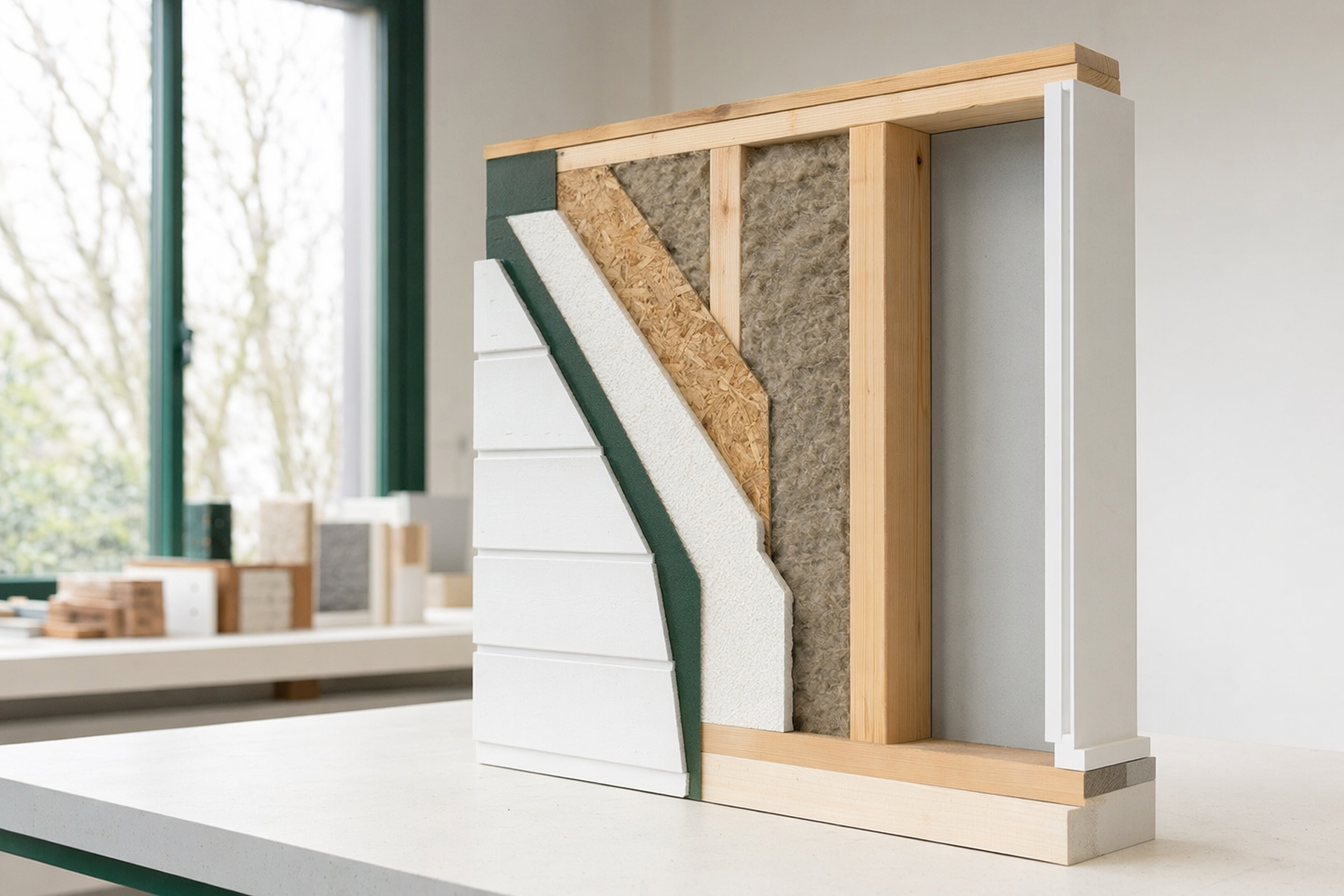
Focus on the shell first
The building shell is the roof, walls, windows, doors, and floor that separate indoors from outdoors. In hot, humid climates, the shell often matters more than people expect. A strong shell helps the cooling system work better and can reduce moisture problems.
Ask builders how they handle these basics:
- Insulation suited to your climate zone and assembly.
- Airtightness, often measured with a blower-door test in ACH.
- Windows with low U-factor and climate-appropriate SHGC.
- Roof and wall details that limit heat gain and manage drying.
- Shading from roof overhangs, porches, screens, or trees.
More insulation is not always enough by itself. If air leaks and humid air can move through the house, comfort and moisture control can still suffer. A licensed builder should explain the full assembly and put the scope in writing.
Moisture control is a top priority
In this climate, humidity is often the hard part. Warm air can carry a lot of moisture. When humid outdoor air leaks into cooler parts of the home, water can condense on surfaces or inside assemblies.
That is why details matter. Good flashing, drainage, air sealing, and vapor control should work together. The right approach depends on your wall type, roof type, location, and whether parts of the home are vented or unvented.
Indoor humidity also matters. Air conditioning can remove some moisture, but the system must be designed and sized well. In some homes, a builder may suggest added dehumidification or a ventilation setup such as an HRV or ERV. Ask why they recommend that approach for your site and plan, and ask how they will verify performance after installation.
Choose cooling, ventilation, and solar carefully
Efficient equipment is important, but it works best after the shell is done right. Heat pumps are common in high-performance homes because they can cool efficiently and also provide heat when needed. The right size matters. Oversized equipment can short-cycle and may not manage humidity well.
Fresh-air ventilation should be planned, not left to chance. A tighter home usually needs a clear ventilation strategy. In hot, humid climates, builders should be able to explain where fresh air comes from, how it is filtered, and how moisture is handled.
Solar can help some homes, but it should not be the first decision. Many homeowners first improve the shell and mechanical systems, then look at rooftop solar or a path toward net-zero. You can read more in /learn/ and compare options with matched local builders through our free guide service.
Questions to ask a green builder
Bring simple, direct questions to each builder interview. You do not need to know all the technical terms. A good builder should be able to explain their plan in plain language.
- What insulation levels do you suggest for my roof, walls, and floor?
- What airtightness target do you aim for, and will you test it with a blower-door test?
- Which windows do you recommend, and what U-factor and SHGC are you targeting?
- How will you control bulk water, air leaks, and indoor humidity?
- What cooling and ventilation system do you propose, and why?
- Who will confirm the final scope, price, permits, and warranty in writing?
EverGrain Built is a free matching and guide service. We are not the builder, architect, or contractor. You compare local professionals, then choose who to hire. Before you sign, confirm scope, price, timeline, licenses, and testing in writing with the builder. See how it works at /how-it-works/.

In a hot, humid climate, green building is about controlling heat and moisture together. A good local builder should explain the shell, ventilation, and cooling plan clearly, and put the final scope and price in writing.
Common questions
Do I need a passive house to build green in a hot, humid climate?
No. Many homes can be more energy efficient and more moisture-aware without aiming for full passive house certification. The right level depends on your goals, site, budget, climate zone, and builder experience.
Will a tighter home feel stuffy?
It can if ventilation is ignored. A tighter home should also have a planned fresh-air strategy, often with balanced ventilation such as an HRV or ERV. Ask the builder how fresh air, filtration, and humidity will be managed.
Is spray foam always the best choice in humid climates?
Not always. Spray foam can be useful in some assemblies, but it is not the only good option. The best choice depends on the roof or wall design, local climate, drying potential, cost, and the builder's full moisture plan.
Can solar panels fix a poorly designed house?
Usually no. Solar may help offset energy use, but it does not solve air leaks, bad window choices, weak shading, or humidity problems. Many homeowners first improve the shell and systems, then consider solar.