Learn
Green building certifications explained
Green home certifications can help you compare goals, testing, and quality checks, but the label alone does not tell the full story. What matters most is the performance plan behind the project, the builder’s experience, and clear written scope, pricing, and testing requirements.
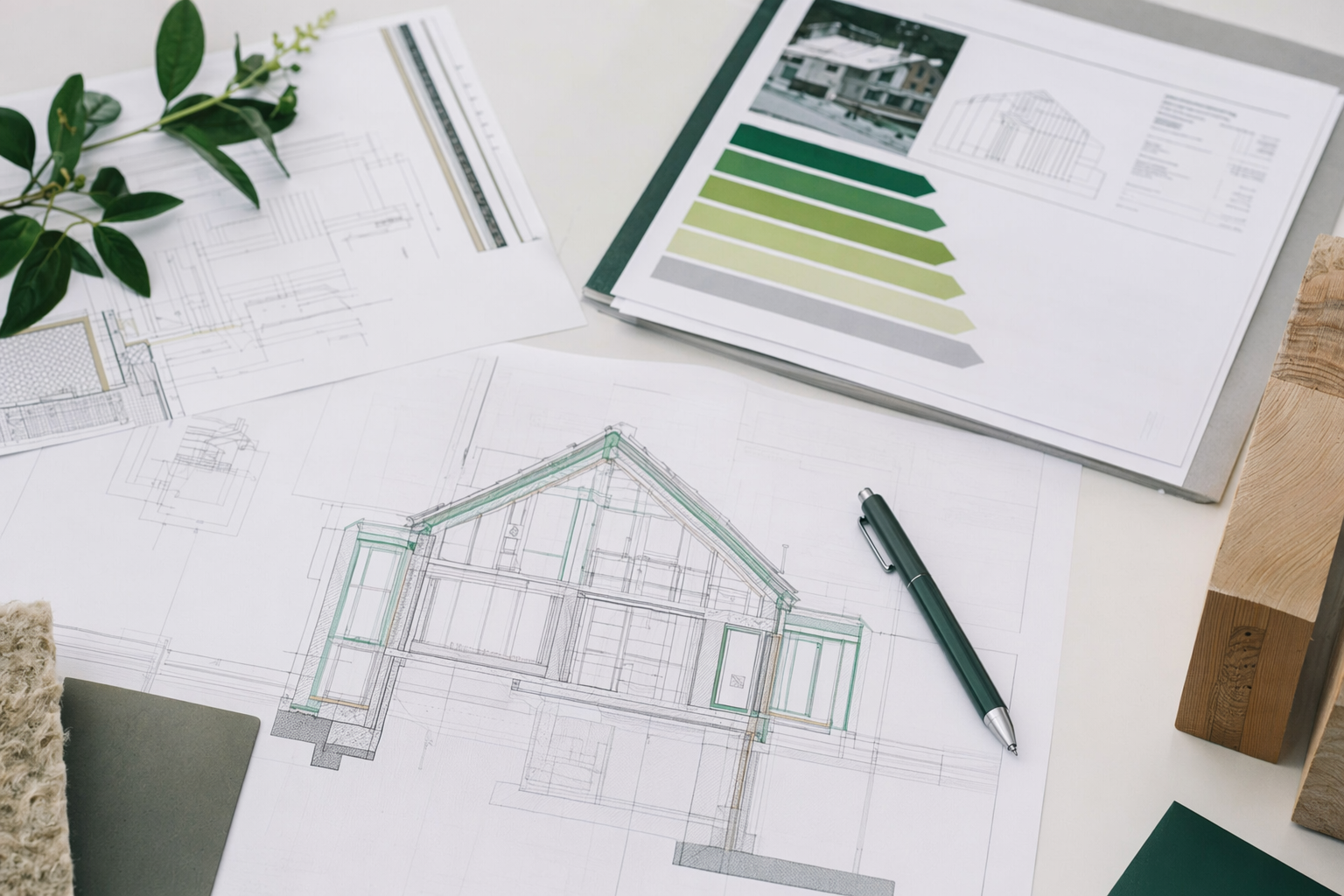
What a green certification is, and what it is not
A green building certification is a set of rules and checks used to measure parts of a home’s design and construction. Different programs focus on different things, such as energy use, airtightness, insulation, ventilation, moisture control, materials, water use, and indoor air quality.
A certification is not a promise that every certified home will feel the same, cost the same to run, or qualify for the same incentives. Results vary by climate, site, floor plan, windows, equipment, workmanship, and how the home is used.
For homeowners, the main value is structure. A certification can give your team a target, a checklist, and testing steps. It can also make it easier to compare builders who say they do green or passive work.
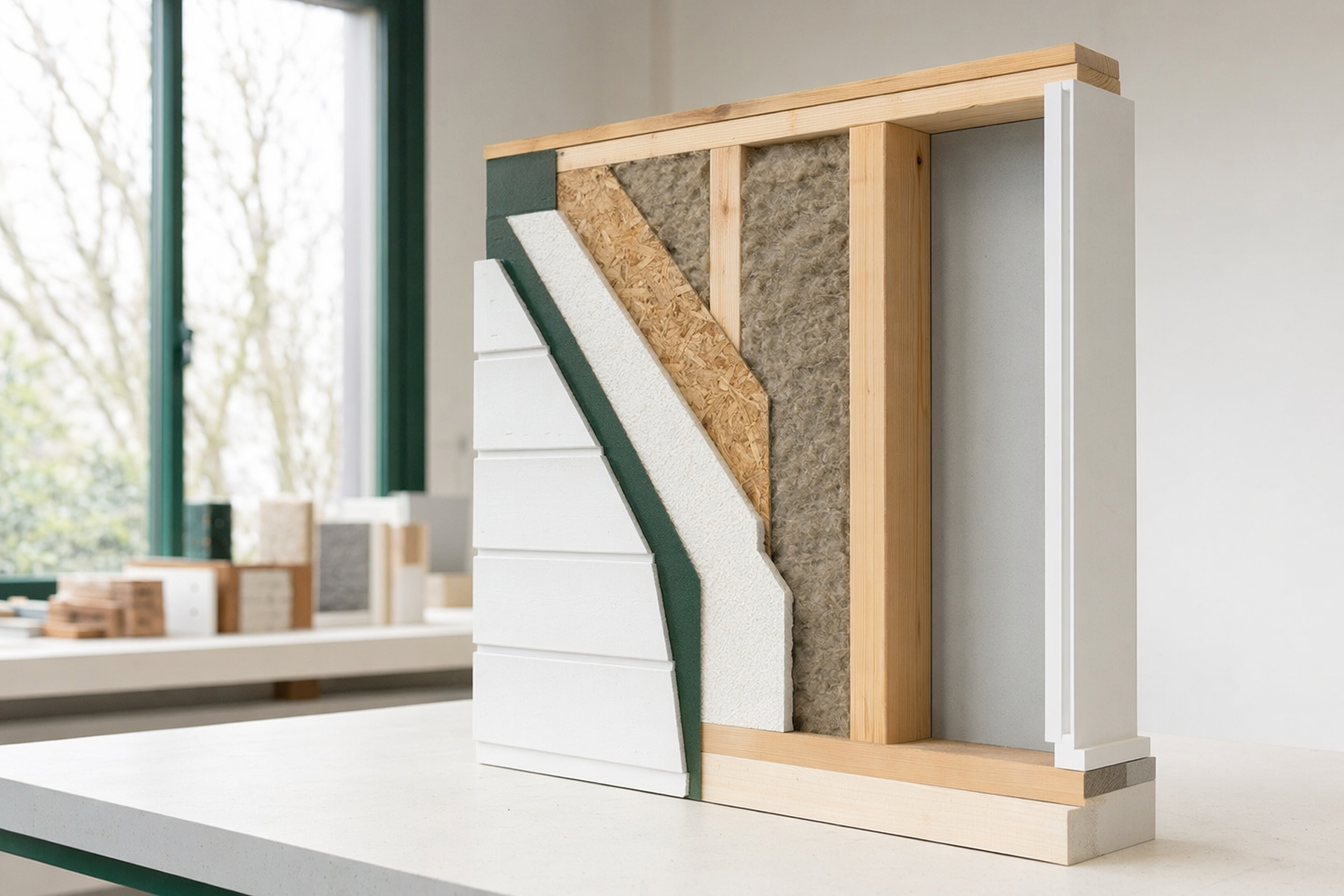
The main ideas behind most programs
Most green home programs are built around the same performance ideas, even if the scorecards look different.
- Good enclosure. Strong insulation, fewer thermal bridges, and better windows. You may see terms like R-value, U-factor, and SHGC.
- Airtightness. Less unwanted air leakage through the shell. This is often measured with a blower-door test in ACH or CFM.
- Fresh-air ventilation. A tight home needs planned ventilation, often with an HRV or ERV.
- Efficient equipment. Heat pumps, water heaters, lighting, and appliances all affect performance.
- Moisture and durability. Good flashing, drainage, vapor control, and details that reduce risk over time.
- Health and comfort goals. Better filtration, lower pollutants, quieter equipment, and fewer drafts.
Some programs are broad and point-based. Others are strict and performance-driven. Some are mostly about energy. Others also include materials, water, and site practices. If you are early in planning, our learn articles can help you understand these building blocks before you compare programs.
What gets tested or verified
A serious certification usually includes more than paperwork. It may require modeling, field inspections, product specs, and performance tests during or after construction.
Common checks include a blower-door test for airtightness, window and insulation verification, HVAC sizing, duct testing, ventilation flow testing, and review of equipment efficiency. Some programs also check for air sealing details, moisture management, combustion safety, and low-emission materials.
Ask simple questions:
- What must be tested, and who does the testing?
- What target is the builder aiming for, such as ACH, insulation levels, or equipment efficiency?
- What happens if the home misses a target?
- Is the certification fee included in the written price?
Even without pursuing a formal label, many homeowners still choose the same best practices. The key is to put the exact scope, testing, and responsibility in writing with a licensed builder.
Common certification paths homeowners hear about
You may hear about programs focused on energy efficiency, broad green features, passive building, or net-zero readiness. Each path has a different purpose.
A broad green certification may look at many categories, such as site, materials, water, and indoor air quality. An energy-focused program may put more weight on modeling and equipment performance. A passive-style approach usually centers on a very strong enclosure, low air leakage, high-performance windows, and balanced ventilation. A net-zero goal usually means reducing energy demand enough that solar may offset annual use, but that outcome still depends on design, climate, and operation.
The best path depends on your priorities. If your goal is lower energy use, ask about enclosure targets, window specs, airtightness, and HVAC design. If your goal is healthier indoor air, ask about ventilation, filtration, moisture control, and low-emission products. If your goal is resale or a formal label, ask what documentation the builder has completed before on similar homes.
If you want help finding builders who understand these goals, EverGrain Built is a free matching service. We help you compare experienced green custom-home builders near you. You choose who to contact and hire. Start here: get matched.
How certification affects cost, timeline, and builder selection
Certification can affect design choices, paperwork, inspections, and testing. That may change timeline and price, but there is no single rule. Some projects use a formal certification. Others use the same building methods without paying for the label.
When comparing proposals, ask each builder to separate these items:
- Design and energy modeling
- Testing and verification fees
- Certification registration or review fees
- Upgrades to insulation, windows, ventilation, and HVAC
- Any exclusions, allowances, or owner responsibilities
Also ask how often the builder has completed homes with similar goals in your climate zone. A builder with real enclosure and mechanical experience is usually more important than a sales claim about building green. EverGrain Built does not build homes or sell certifications. We offer a free guide and matching service so you can compare local builders and confirm scope and price in writing. See how it works or get matched.

A certification is a tool, not magic. Focus on the home’s actual design, testing, and builder experience, then use a label only if it helps your goals.
Common questions
Do I need a formal certification to build a high-performance home?
No. Many homeowners use high-performance methods without pursuing a formal label. A certification can add structure and third-party checks, but the real value comes from the design, details, testing, and builder execution.
Will a certified home always cost less to run?
Not always. Energy use depends on climate, home size, shape, window area, equipment, airtightness, insulation, and how the home is operated. A label can signal a process, but it does not guarantee a specific utility bill.
Which certification is best for my home?
There is no single best choice for every project. The right fit depends on your climate, budget, goals, and local builder experience. Start with your priorities, such as energy, indoor air quality, low maintenance, or a formal label for resale or incentives.
Can EverGrain Built help me choose between certification options?
Yes. EverGrain Built is a free matching and guide service for homeowners. We can help you compare builders who work on green, energy-efficient, or passive-style homes near you. You decide who to hire, and you should confirm scope, testing, and price in writing with a licensed builder.