Learn
Are triple-pane windows worth it?
Triple-pane windows can be a smart upgrade, but they are not the right choice for every home. The best answer depends on your climate, your wall design, your budget, and how important comfort, noise control, and energy use are to you.
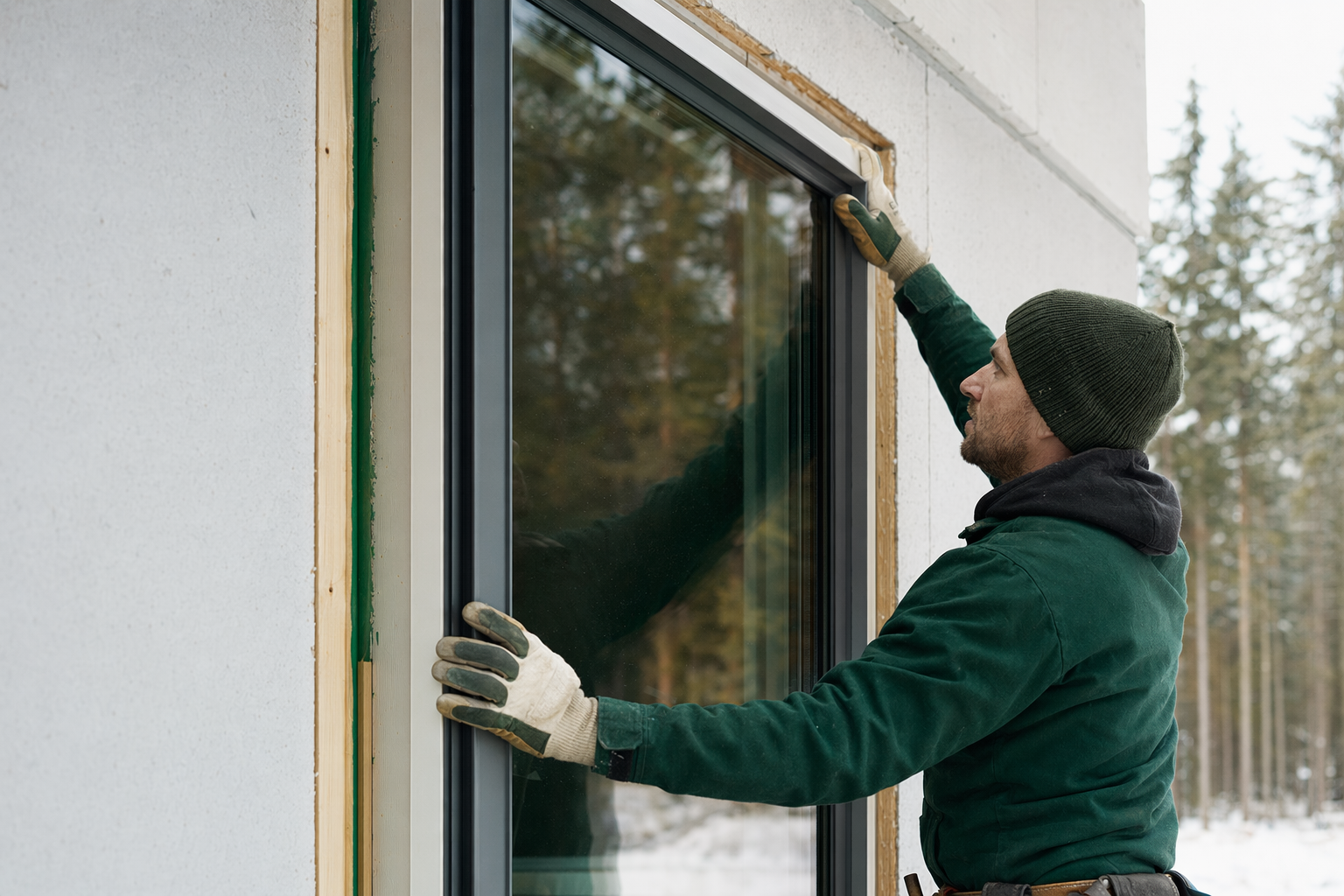
What triple-pane windows are
Triple-pane windows have three layers of glass instead of two. Between the glass are sealed spaces filled with air or gas, and the glass often has low-e coatings that help control heat flow.
In general, triple-pane windows can have a lower U-factor than double-pane windows. Lower U-factor means the window loses heat more slowly. Some triple-pane products also help reduce outside noise and can make the inside glass feel warmer in winter.
But not all triple-pane windows perform the same. Frame material, spacer quality, air sealing, installation, and the product's U-factor and SHGC matter just as much as the number of panes.
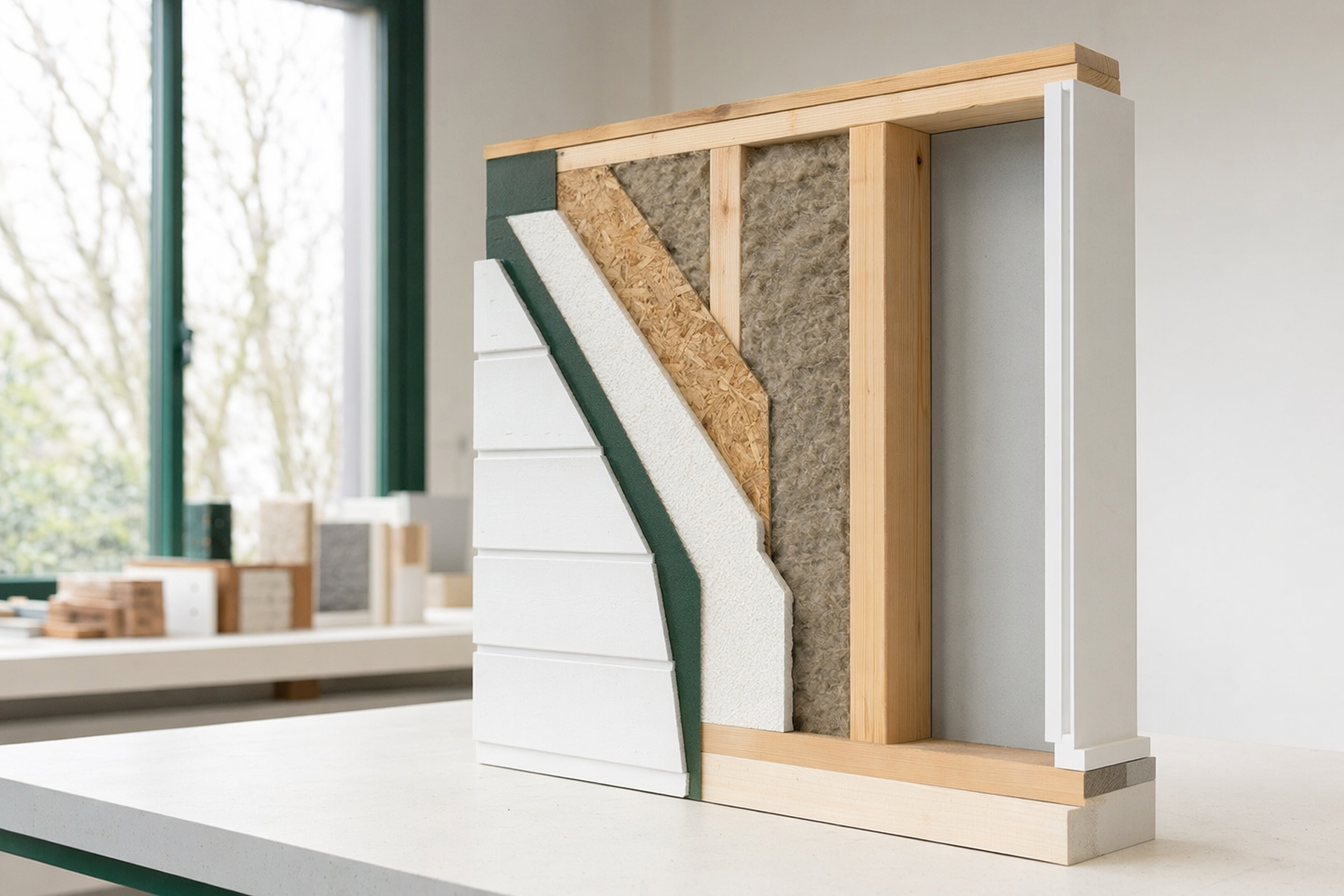
When triple-pane windows may be worth it
Triple-pane windows are often more appealing in cold or mixed climates, or in homes aiming for very low energy use, such as a high-performance or passive-style home. They may also help in rooms with large window areas, strong winter winds, or comfort problems near the glass.
They can also make sense if you care about:
- Better winter comfort near windows
- Less condensation risk on interior glass in cold weather
- Lower outside noise in some situations
- A tighter building plan that includes good insulation and air sealing
If you are already investing in a better building enclosure, windows should be part of the full plan. A green builder can help compare windows along with insulation, airtightness, and HVAC choices. If you want help finding builders who know this work, you can start at /get-matched/.
When they may not be worth the extra cost
Triple-pane windows usually cost more than double-pane windows. In some homes, that extra cost may not bring enough benefit to be the first place you spend your money.
For example, if the home still needs better air sealing, attic insulation, slab or foundation insulation, or better HVAC design, those items may matter more. A leaky house with expensive windows is still a leaky house.
They may also be less important in mild climates, or on window orientations where solar heat gain matters more than the lowest possible U-factor. This is why it helps to look at the whole house, not just one product.
Ask the builder to compare options in writing. Confirm the exact window specs, installation scope, and total price with the licensed builder you choose.
What to ask a builder before you decide
Do not ask only, "Is triple-pane better?" Ask how the window fits the full design. A good answer should connect the windows to the wall assembly, airtightness target, shading, and HVAC system.
Helpful questions include:
- What are the U-factor and SHGC for this exact window?
- How will the windows be air-sealed and flashed during installation?
- Is this upgrade more important than improving insulation or airtightness?
- Will you do a blower-door test to check the home's airtightness?
- How does this choice support the goals for comfort, noise, and energy use?
If you are exploring a high-performance home, it also helps to read about related systems like heat pumps and ventilation and the basics in our learn center.
Think about the whole house, not just the glass
Windows are only one part of a high-performance home. Good results usually come from combining better windows with better insulation, careful air sealing, controlled ventilation such as an HRV or ERV, and right-sized heating and cooling equipment.
That is why the best question is not just whether triple-pane windows are worth it. The better question is whether they are the right use of your budget for your home and climate.
EverGrain Built is a free matching and guide service. We help homeowners compare experienced green custom-home builders. You choose who to contact and hire. Before signing, make sure the licensed builder confirms scope, specs, and price in writing. You can learn more at /how-it-works/ or request matches at /get-matched/.

Triple-pane windows can be worth it, but only in the right home and budget. Compare them as part of the full house plan, not as a stand-alone upgrade.
Common questions
Do triple-pane windows always lower energy bills a lot?
Not always. Results vary by climate, home design, window size, orientation, air leakage, and installation quality. Triple-pane windows can help in some homes, but they are only one part of the overall energy picture.
Are triple-pane windows required for a passive house?
Not in every case. Many very low-energy homes use triple-pane windows, especially in colder climates, but the right window depends on the full design and local conditions. Performance targets should be reviewed with a qualified designer or builder.
Do triple-pane windows stop condensation?
They can help reduce interior condensation risk because the inside glass may stay warmer in winter. But condensation also depends on indoor humidity, air leakage, and installation quality, so no window can guarantee it will never happen.
Should I upgrade windows first, or improve insulation and air sealing first?
It depends on the house. In many projects, air sealing and insulation deliver strong value and should be reviewed before spending more on premium windows. Ask your builder to compare options as a full package, not one item at a time.